How does Magnifica Humanitas fit with the 16 documents of the Second Vatican Council?
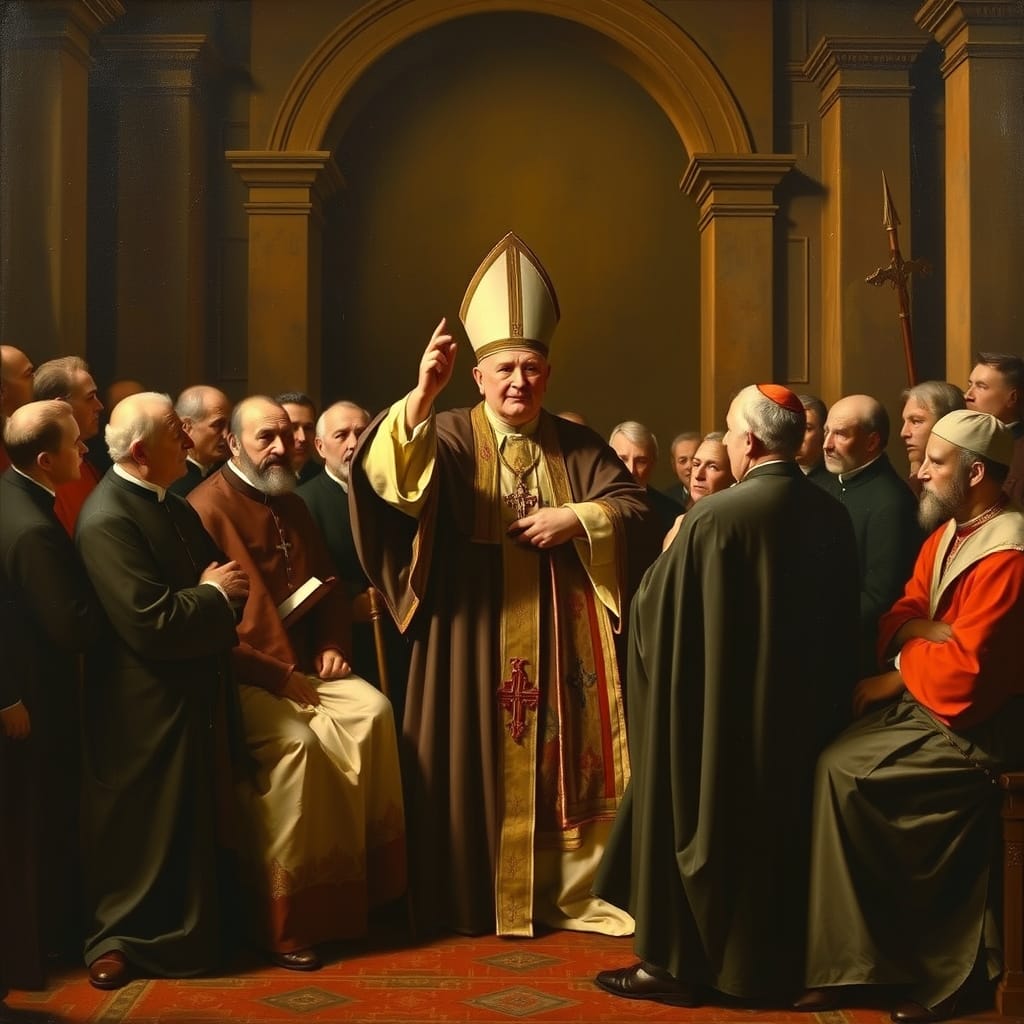
The Second Vatican Council (1962–1965) was called by Pope John XXIII in 1962. After Pope John XXIII died in 1963, the Council was continued and completed by Pope Paul VI in 1965. More than 2,000 Catholic bishops, together with many cardinals, theologians and Church experts from around the world, gathered in Rome to discuss how the Church should respond to the challenges of the modern world.
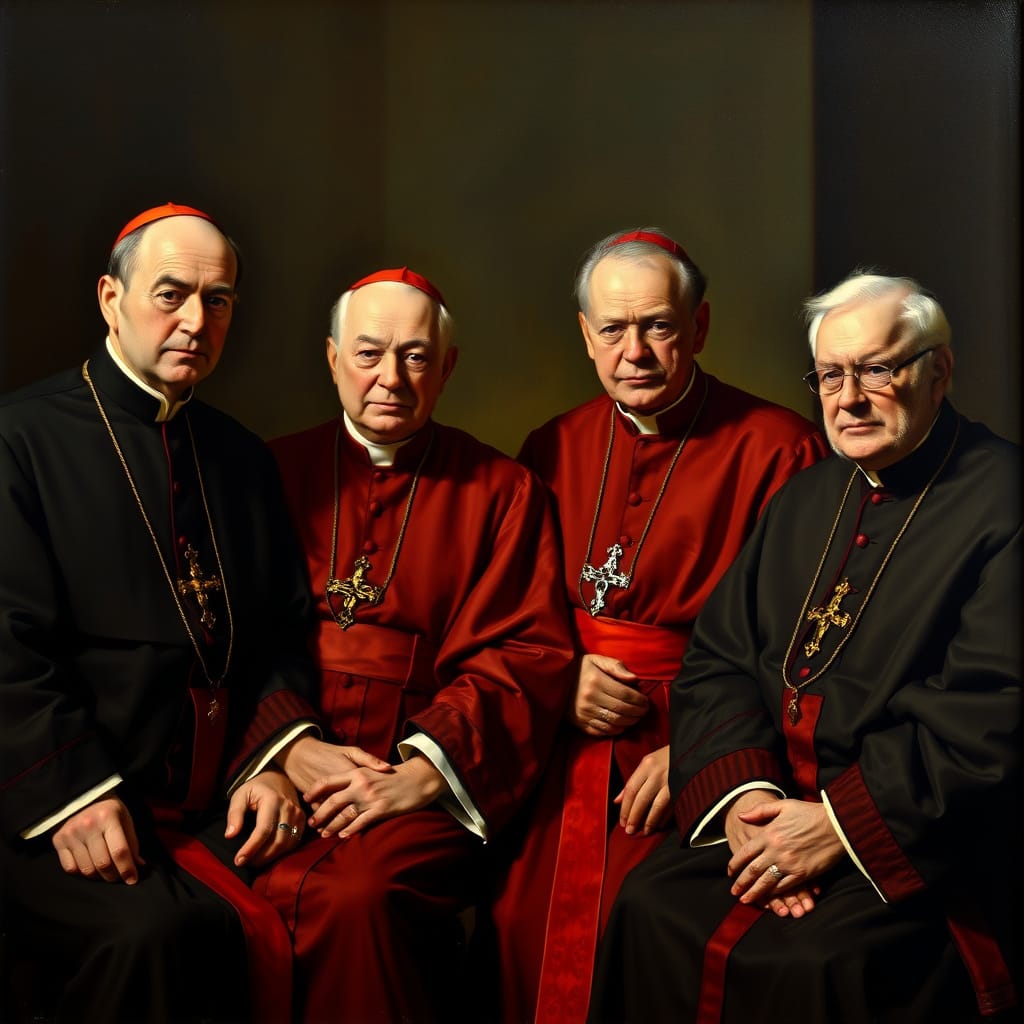
Among the most influential leaders were Cardinal Leo Joseph Suenens (Belgium), Cardinal Julius Döpfner (Germany), Cardinal Giacomo Lercaro (Italy) and Cardinal Franz König (Austria). Working together with the Popes and bishops, they helped produce 16 official documents that continue to guide the Catholic Church today.
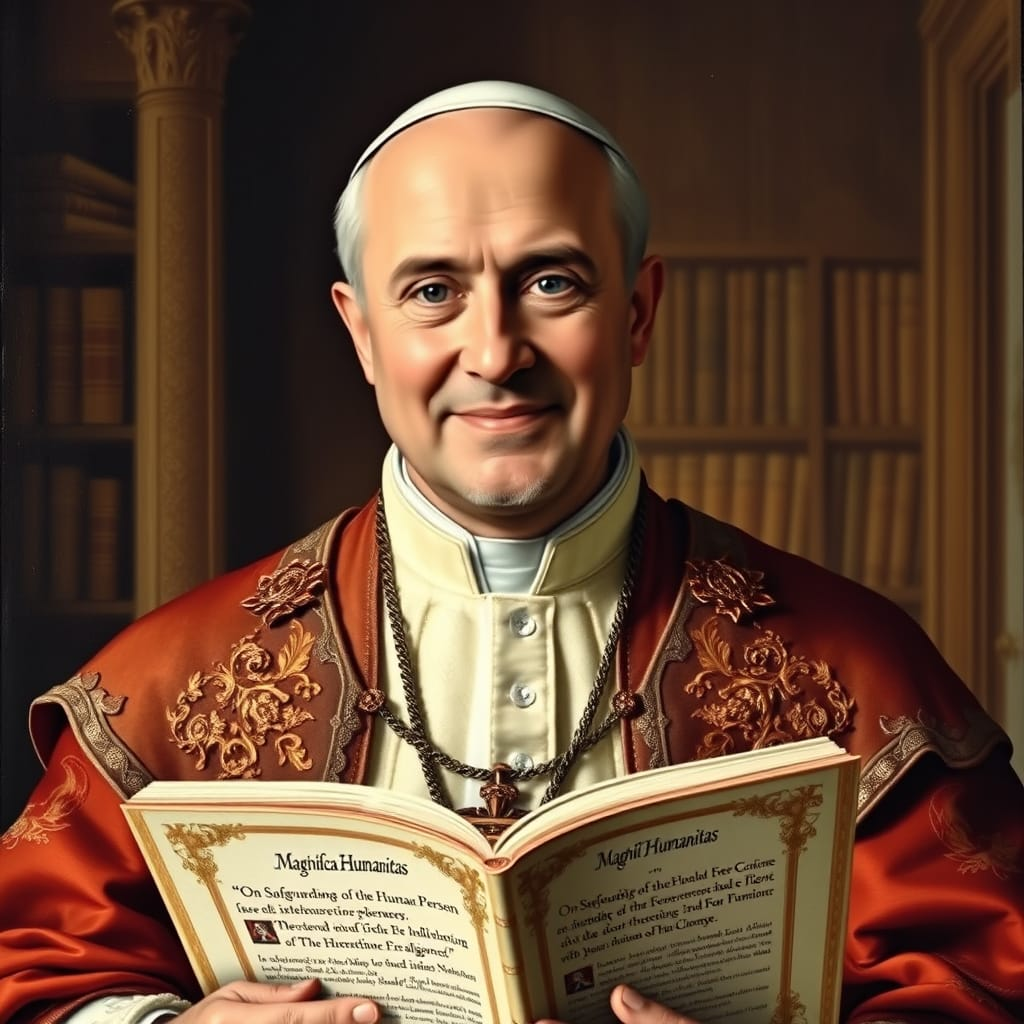
More than sixty years later, Pope Leo XIV wrote the encyclical Magnifica Humanitas – On Safeguarding the Human Person in the Time of Artificial Intelligence. Rather than replacing Vatican II, Pope Leo XIV builds upon its teaching by applying its principles to one of today’s greatest challenges: Artificial Intelligence (AI).
The Four Constitutions
1. Sacrosanctum Concilium (The Sacred Liturgy)
This Constitution teaches about worship, prayer and the celebration of the Mass. Magnifica Humanitas reminds us that technology should never replace prayer, worship or our personal relationship with God.
2. Lumen Gentium (The Church)
This Constitution teaches that every human person is created in the image of God and has great dignity. Pope Leo XIV continues this teaching by saying that AI must always respect the dignity and value of every human life.
3. Dei Verbum (Divine Revelation)
This Constitution teaches that God’s Word continues to guide the Church throughout history. Pope Leo XIV applies these timeless truths to the modern age of Artificial Intelligence.
4. Gaudium et Spes (The Church in the Modern World)
This Constitution encourages the Church to engage positively with the modern world. It is the Vatican II document most closely connected with Magnifica Humanitas, which asks how AI can be used to serve humanity while protecting human dignity.
The Nine Decrees
1. Ad Gentes (Missionary Activity)
Encourages the Church to spread the Gospel throughout the world. AI can help share the Gospel, but it must always communicate truth with love and respect.
2. Presbyterorum Ordinis (Ministry and Life of Priests)
Explains the role of priests in serving God’s people. AI should assist priests where appropriate but can never replace their pastoral care and human presence.
3. Optatam Totius (Training of Priests)
Focuses on the education and formation of priests. Pope Leo XIV encourages the responsible use of technology while ensuring that future priests continue to develop wisdom, faith and good judgement.
4. Perfectae Caritatis (Religious Life)
Calls religious communities to renew their commitment to Christ while remaining faithful to their vocation. Technology should support religious life, not distract from it.
5. Apostolicam Actuositatem (The Apostolate of the Laity)
Teaches that lay Catholics have an important role in society. Today, many lay people work in science, technology and AI, giving them a special responsibility to use these tools ethically.
6. Christus Dominus (The Pastoral Office of Bishops)
Explains the responsibilities of bishops as shepherds of the Church. Bishops continue to guide the faithful in understanding new technologies such as Artificial Intelligence.
7. Unitatis Redintegratio (Ecumenism)
Encourages unity among Christians. AI should help build understanding and cooperation rather than spreading division and misinformation.
8. Orientalium Ecclesiarum (The Eastern Catholic Churches)
Recognises and respects the traditions of the Eastern Catholic Churches. AI should respect the diversity of cultures and traditions throughout the Church.
9. Inter Mirifica (The Means of Social Communication)
Discusses newspapers, radio, television and other media. Today this teaching naturally extends to the internet, social media and Artificial Intelligence, making it one of the Vatican II documents most closely linked with Magnifica Humanitas.
The Three Declarations
1. Gravissimum Educationis (Christian Education)
Teaches that education should help people grow in knowledge, wisdom and faith. AI can support education, but it should never replace good teachers or human learning.
2. Nostra Aetate (The Relationship of the Church to Non-Christian Religions)
Encourages respect and dialogue with people of other religions. AI should be used to promote understanding, peace and cooperation between different faiths.
3. Dignitatis Humanae (Religious Freedom)
Teaches that every person has the right to religious freedom and must be free to follow their conscience. Pope Leo XIV reminds us that AI should never take away human freedom, dignity or moral responsibility.
In Simple Terms
The Second Vatican Council asked:
“How should the Church live and work in the modern world?”
More than sixty years later, Pope Leo XIV asks:
“How should the Church live and work in a world shaped by Artificial Intelligence?”
His answer follows exactly the same principles taught by Vatican II:
- Respect every human person.
- Protect human dignity.
- Defend truth.
- Promote justice and peace.
- Use technology wisely.
- Always place people before machines.
- Never allow Artificial Intelligence to replace human responsibility, conscience or God’s place in our lives.
Conclusion
The Second Vatican Council, begun by Pope John XXIII and completed by Pope Paul VI, laid the foundation for the Catholic Church’s relationship with the modern world. Through its 4 Constitutions, 9 Decrees and 3 Declarations, it taught that human dignity, truth, justice and the common good must always guide the Church’s mission. Pope Leo XIV’s Magnifica Humanitas continues that same mission by applying the teachings of Vatican II to the age of Artificial Intelligence. It reminds us that while technology will continue to develop, the human person—created in the image and likeness of God—must always remain at the centre of the Church’s teaching and the future of society.
How does Magnificat Humanitas fit with the 16 documents of the Second Vatican Council?
The Second Vatican Council (1962–1965) was called by Pope John XXIII in 1962. After Pope John XXIII died in 1963, the Council was continued and completed by Pope Paul VI in 1965. More than 2,000 Catholic bishops, together with many cardinals, theologians and Church experts from around the world, gathered in Rome to discuss how the Church should respond to the challenges of the modern world.
Among the most influential leaders were Cardinal Leo Joseph Suenens (Belgium), Cardinal Julius Döpfner (Germany), Cardinal Giacomo Lercaro (Italy) and Cardinal Franz König (Austria). Working together with the Popes and bishops, they helped produce 16 official documents that continue to guide the Catholic Church today.
More than sixty years later, Pope Leo XIV wrote the encyclical Magnifica Humanitas – On Safeguarding the Human Person in the Time of Artificial Intelligence. Rather than replacing Vatican II, Pope Leo XIV builds upon its teaching by applying its principles to one of today’s greatest challenges: Artificial Intelligence (AI).
The Four Constitutions
1. Sacrosanctum Concilium (The Sacred Liturgy)
This Constitution teaches about worship, prayer and the celebration of the Mass. Magnifica Humanitas reminds us that technology should never replace prayer, worship or our personal relationship with God.
2. Lumen Gentium (The Church)
This Constitution teaches that every human person is created in the image of God and has great dignity. Pope Leo XIV continues this teaching by saying that AI must always respect the dignity and value of every human life.
3. Dei Verbum (Divine Revelation)
This Constitution teaches that God’s Word continues to guide the Church throughout history. Pope Leo XIV applies these timeless truths to the modern age of Artificial Intelligence.
4. Gaudium et Spes (The Church in the Modern World)
This Constitution encourages the Church to engage positively with the modern world. It is the Vatican II document most closely connected with Magnifica Humanitas, which asks how AI can be used to serve humanity while protecting human dignity.
The Nine Decrees
1. Ad Gentes (Missionary Activity)
Encourages the Church to spread the Gospel throughout the world. AI can help share the Gospel, but it must always communicate truth with love and respect.
2. Presbyterorum Ordinis (Ministry and Life of Priests)
Explains the role of priests in serving God’s people. AI should assist priests where appropriate but can never replace their pastoral care and human presence.
3. Optatam Totius (Training of Priests)
Focuses on the education and formation of priests. Pope Leo XIV encourages the responsible use of technology while ensuring that future priests continue to develop wisdom, faith and good judgement.
4. Perfectae Caritatis (Religious Life)
Calls religious communities to renew their commitment to Christ while remaining faithful to their vocation. Technology should support religious life, not distract from it.
5. Apostolicam Actuositatem (The Apostolate of the Laity)
Teaches that lay Catholics have an important role in society. Today, many lay people work in science, technology and AI, giving them a special responsibility to use these tools ethically.
6. Christus Dominus (The Pastoral Office of Bishops)
Explains the responsibilities of bishops as shepherds of the Church. Bishops continue to guide the faithful in understanding new technologies such as Artificial Intelligence.
7. Unitatis Redintegratio (Ecumenism)
Encourages unity among Christians. AI should help build understanding and cooperation rather than spreading division and misinformation.
8. Orientalium Ecclesiarum (The Eastern Catholic Churches)
Recognises and respects the traditions of the Eastern Catholic Churches. AI should respect the diversity of cultures and traditions throughout the Church.
9. Inter Mirifica (The Means of Social Communication)
Discusses newspapers, radio, television and other media. Today this teaching naturally extends to the internet, social media and Artificial Intelligence, making it one of the Vatican II documents most closely linked with Magnifica Humanitas.
The Three Declarations
1. Gravissimum Educationis (Christian Education)
Teaches that education should help people grow in knowledge, wisdom and faith. AI can support education, but it should never replace good teachers or human learning.
2. Nostra Aetate (The Relationship of the Church to Non-Christian Religions)
Encourages respect and dialogue with people of other religions. AI should be used to promote understanding, peace and cooperation between different faiths.
3. Dignitatis Humanae (Religious Freedom)
Teaches that every person has the right to religious freedom and must be free to follow their conscience. Pope Leo XIV reminds us that AI should never take away human freedom, dignity or moral responsibility.
In Simple Terms
The Second Vatican Council asked:
“How should the Church live and work in the modern world?”
More than sixty years later, Pope Leo XIV asks:
“How should the Church live and work in a world shaped by Artificial Intelligence?”
His answer follows exactly the same principles taught by Vatican II:
- Respect every human person.
- Protect human dignity.
- Defend truth.
- Promote justice and peace.
- Use technology wisely.
- Always place people before machines.
- Never allow Artificial Intelligence to replace human responsibility, conscience or God’s place in our lives.
Conclusion
The Second Vatican Council, begun by Pope John XXIII and completed by Pope Paul VI, laid the foundation for the Catholic Church’s relationship with the modern world. Through its 4 Constitutions, 9 Decrees and 3 Declarations, it taught that human dignity, truth, justice and the common good must always guide the Church’s mission. Pope Leo XIV’s Magnifica Humanitas continues that same mission by applying the teachings of Vatican II to the age of Artificial Intelligence. It reminds us that while technology will continue to develop, the human person—created in the image and likeness of God—must always remain at the centre of the Church’s teaching and the future of society.