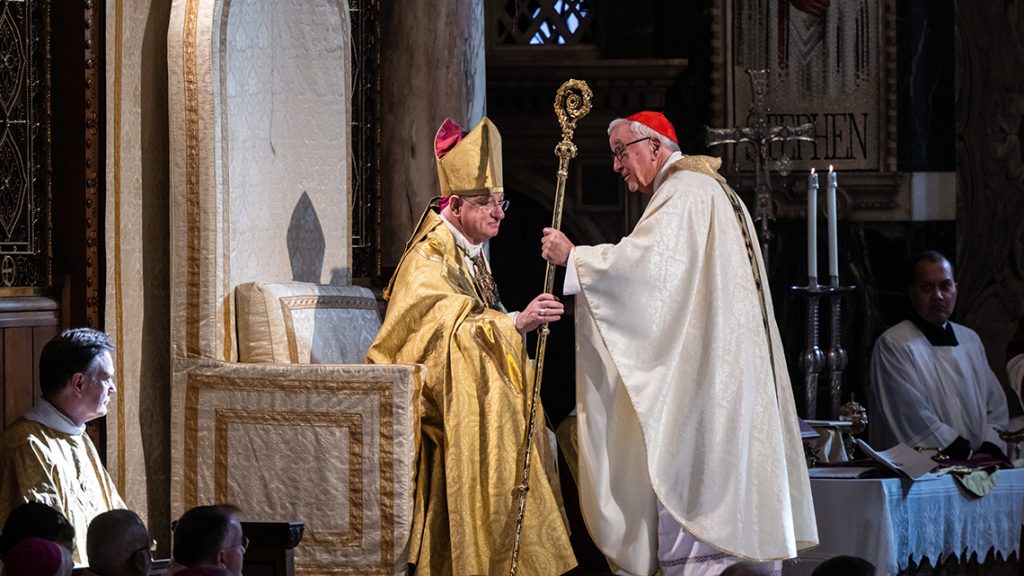
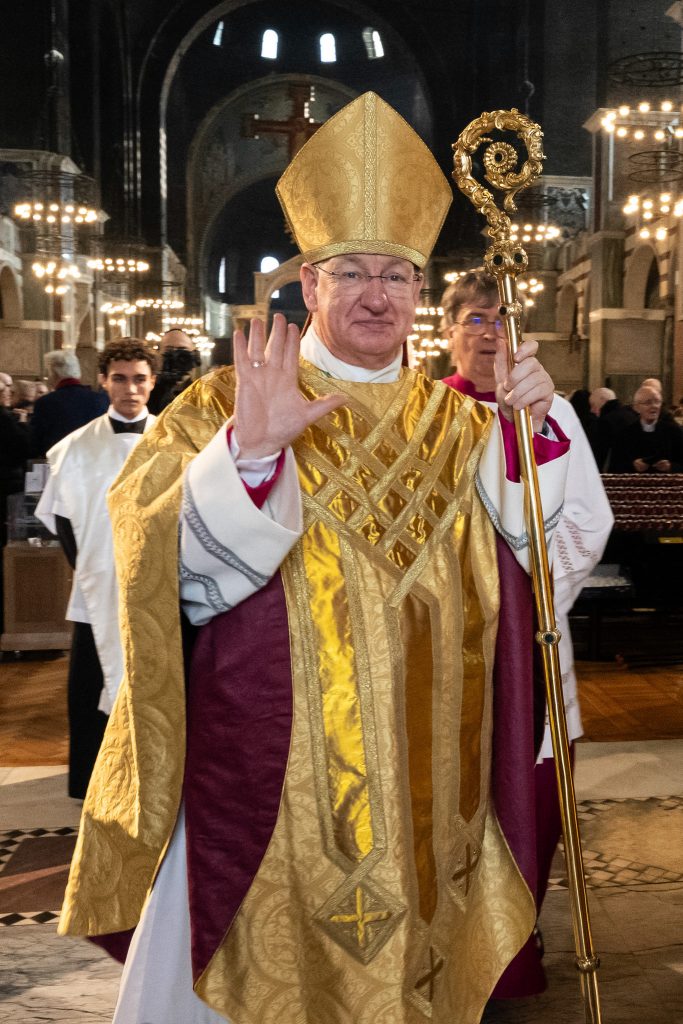
The Most Reverend Richard Moth was formally installed as the Twelfth Archbishop of Westminster during a distinguished Mass of Installation conducted at Westminster Cathedral at 12:00 noon on Saturday, 14th February 2026.
On 25th March 1976, I was privileged to be in this great Cathedral Church, together with a friend from school, who is also present here today, for the Episcopal Ordination of the late Cardinal Basil Hume. On that day, the text that we have just heard, from St. Paul’s second letter to Timothy, was proclaimed: “Fan into flame the gift of God… for God gave us a spirit not of fear, but of power and love and self-control.” (2 Tim 1:6-7)
Richard Moth was officially inaugurated as the Archbishop of Westminster during a Religious Service at Westminster Cathedral today, succeeding Cardinal Vincent Nichols as the designated ecclesiastical leader of the Catholic Church in England and Wales.
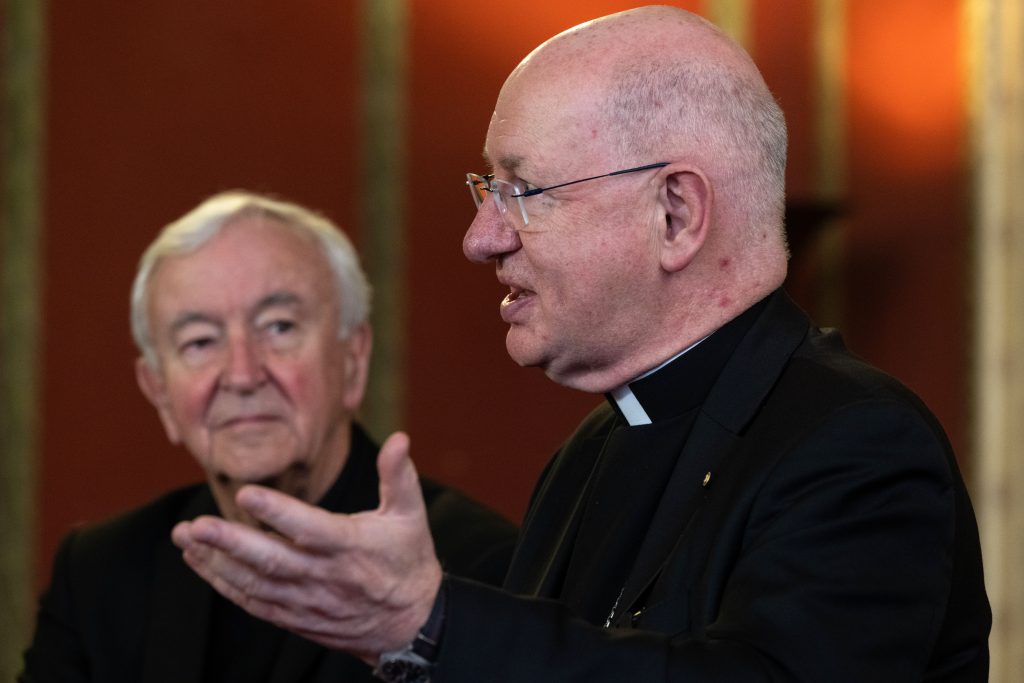
Prior to this, on the evening preceding the installation, a Solemn Vespers and Evening Prayer honouring the Blessed Virgin Mary was held on Friday, 13th February 2026, at 5:30 pm.
Solemn Vespers
Evening Prayer of the Blessed Virgin Mary
Eve of the Installation of the Archbishop of Westminster
Friday 13 February 2026 5.30pm
Booklet of The Mass of the Solemn Vespers
Solemn Vespers
Evening Prayer of the Blessed Virgin Mary
WESTMINSTER CATHEDRAL
INSTALLATION of THE MOST REVEREND RICHARD MOTH
Archbishop-elect Richard Moth’s homily at Vespers ahead of his Installation
Homily at Solemn Pontifical Vespers in Westminster Cathedral.
On the eve of his episcopal consecration as the twelfth Archbishop of Westminster, Archbishop-elect Richard Moth delivered this homily during the Solemn Pontifical Vespers at Westminster Cathedral.
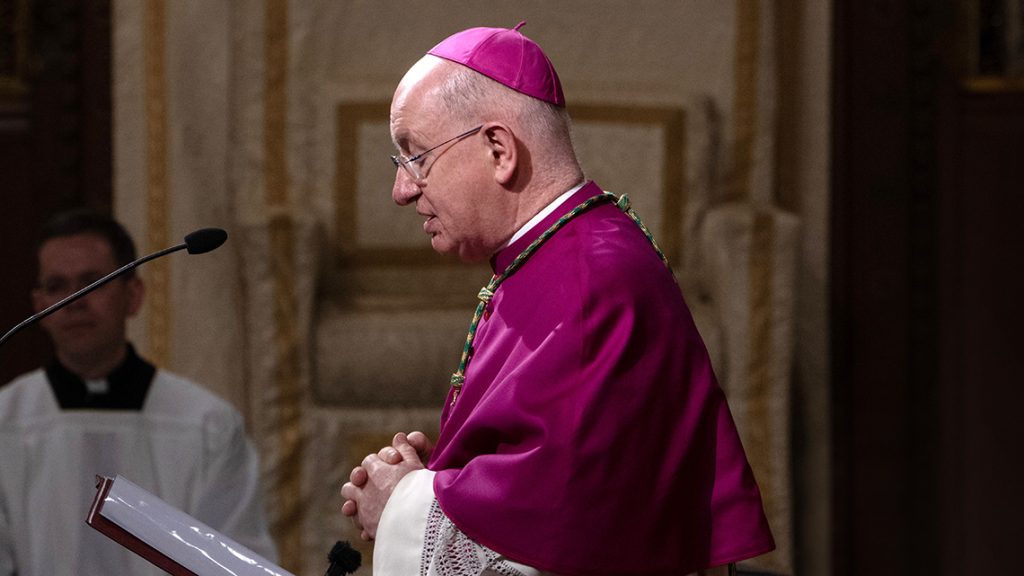
Saturday 14 February Lauds and Terce
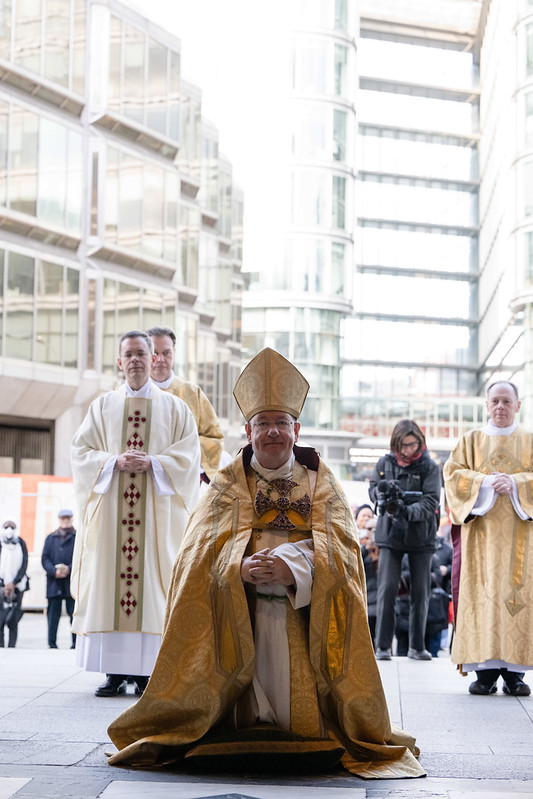
The service began with the congregation of around 2,000 people singing lauds and terce. After a procession including clergy, bishops, and ecumenical guests, Archbishop Moth entered the Cathedral to the sound of the bell and a fanfare.
Saturday 14 February at 11am Offices before the installation Lauds and Terce
Feast of Saint Cyril, Monk, and Saint Methodius, Bishop
Booklet of Lauds and Terce
Offices before the installation Lauds and Terce – Feast of Saint Cyril, Monk, and Saint Methodius, Bishop
THE INSTALLATION OF THE 12TH ARCHBISHOP OF WESTMINSTER
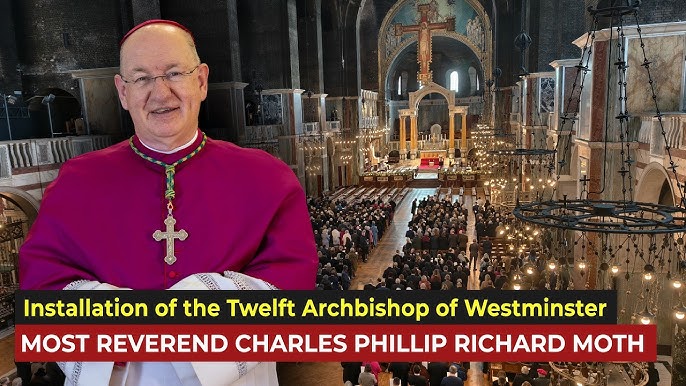
Video of The Installation of the 12th Archbishop of Westminster
Video of The Installation of the 12th Archbishop of Westminster, at Westminster Cathedral at 12:00 noon on Saturday, 14th February 2026.
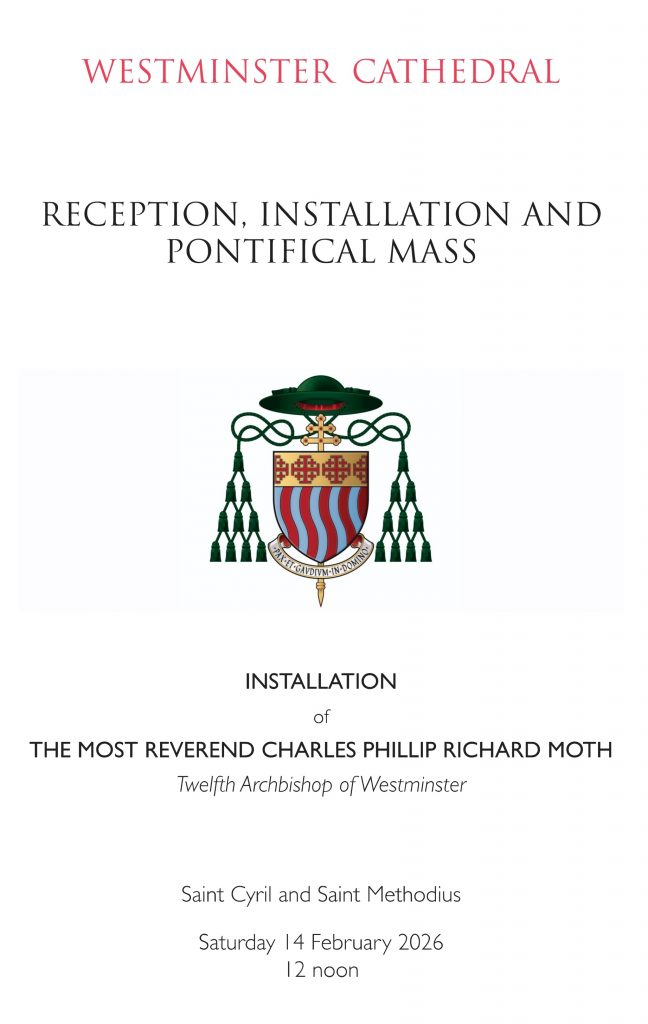
Booklet of The Installation of the 12th Archbishop of Westminster, at Westminster Cathedral
Booklet of The Installation of the 12th Archbishop of Westminster, at Westminster Cathedral at 12:00 noon on Saturday, 14th February 2026.
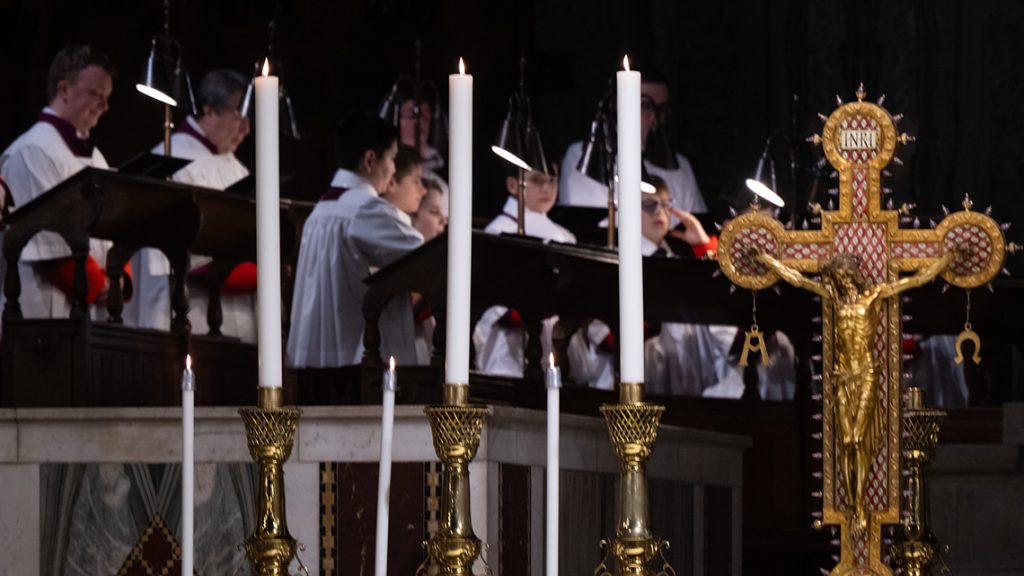
Richard Moth was formally inducted into the position of Archbishop of Westminster during a solemn religious service at Westminster Cathedral today, succeeding Cardinal Vincent Nichols as the designated ecclesiastical leader of the Catholic Church in England and Wales.
The Installation Mass was conducted subsequent to a Service of Solemn Vespers held in the Cathedral on Friday evening, attended by members of the clergy, religious communities, and representatives from schools, parishes, and Catholic organisations across the Diocese of Westminster.
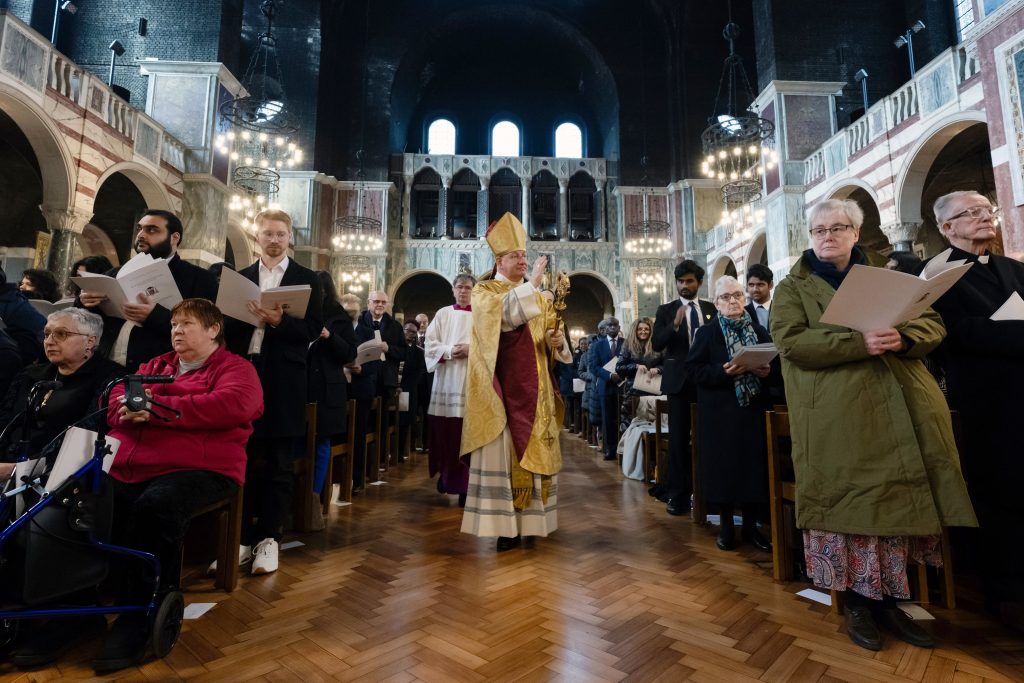
To the accompaniment of a fanfare composed by Simon Johnson, Master of Music, Archbishop Moth entered the Cathedral via the Great West Door and was received by the Provost, Canon Shaun Lennard.
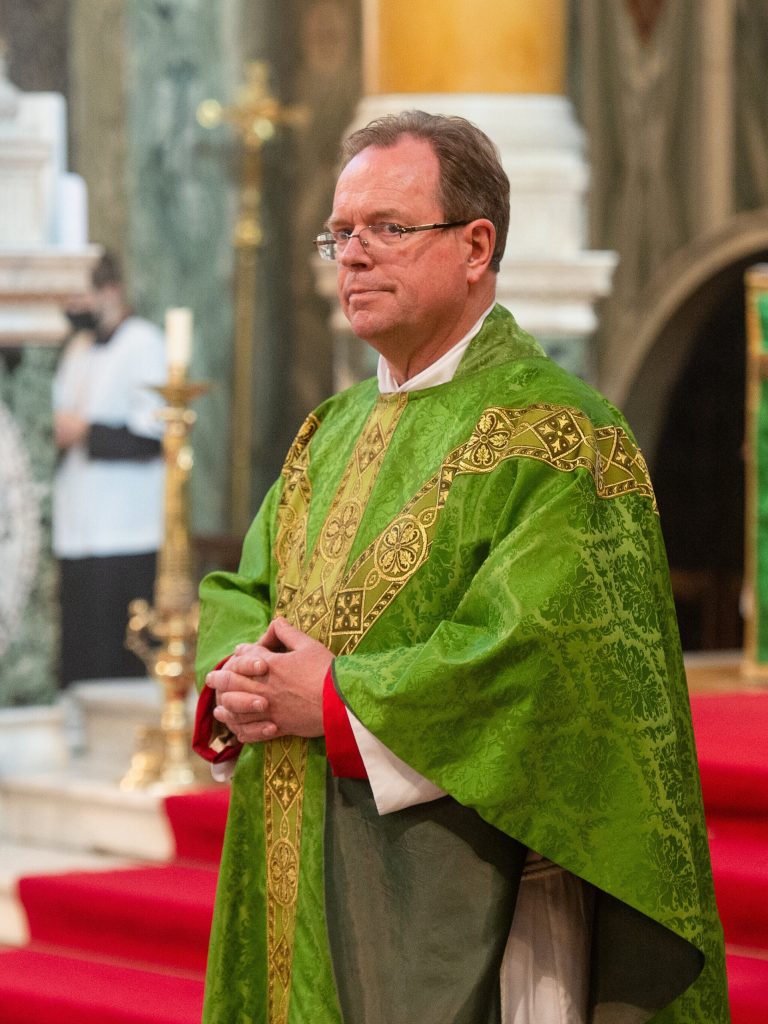
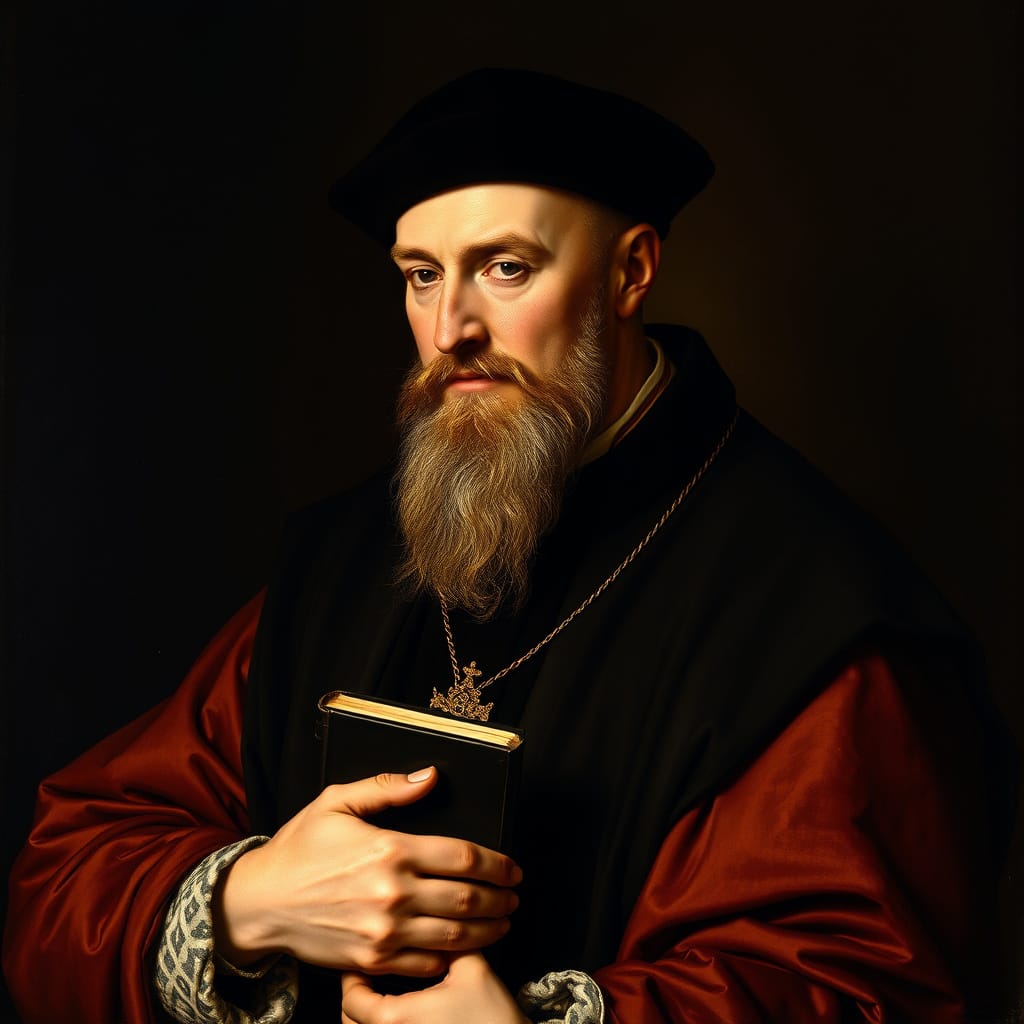
The ceremony of rite of reception draws on an ancient Pontifical used at Canterbury during the time of Archbishop Chichele (1414–1443). This ancient Catholic rite used for the reception and installation of Archbishops of Canterbury before the Reformation has been customary in Westminster since the restoration of the Catholic hierarchy in England and Wales in 1850 and the appointment of Nicholas Wiseman as first Archbishop of Westminster.
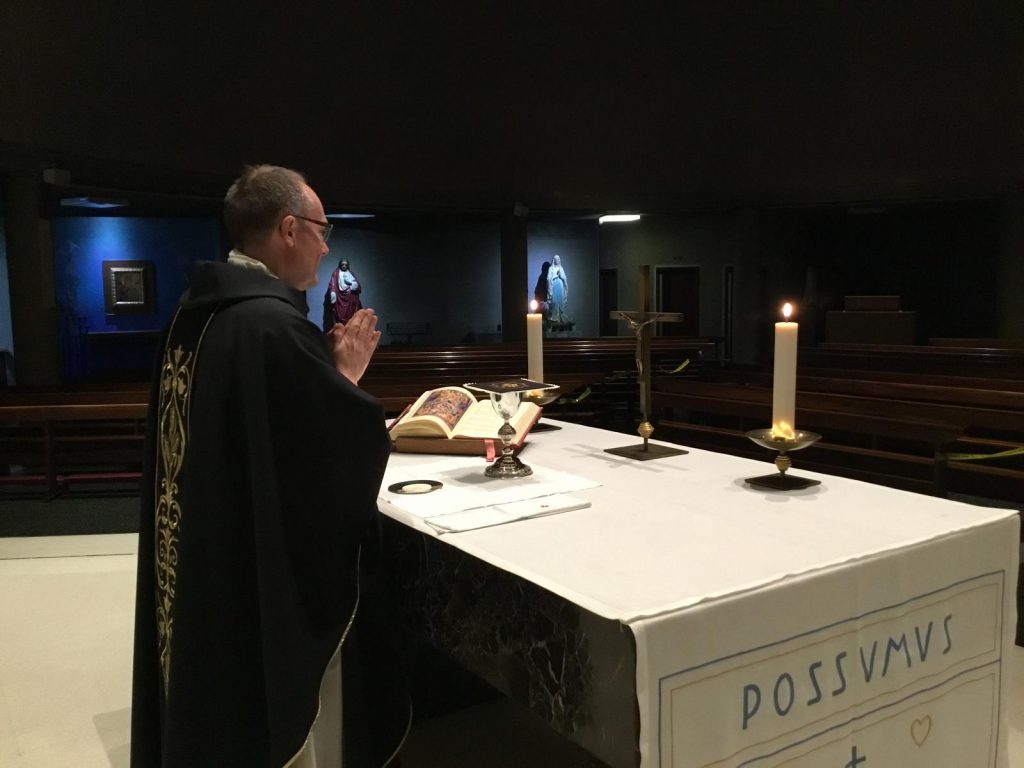
Following this, the Provost, Canon Shaun Lennard, formally presented the declaration of installation as Archbishop Moth proceeded to kneel at the high altar.
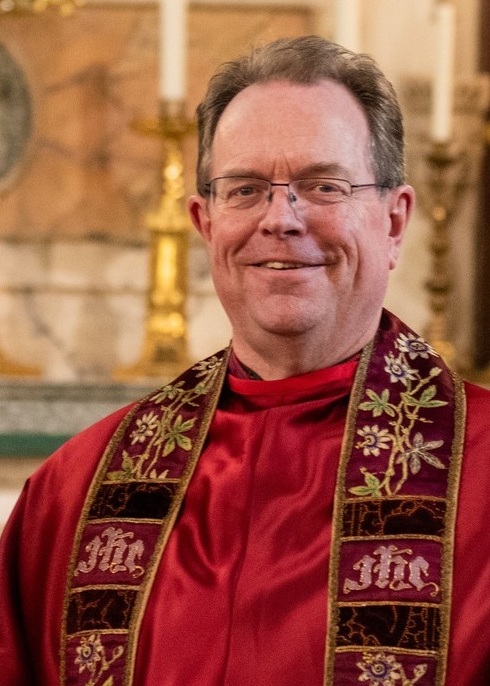
I, Shaun Lennard, being Provost of the Metropolitan Chapter of Westminster, do install you, the Lord Richard, Archbishop in this Church of Westminster, in which may our Lord Jesus Christ guard your going in from henceforth, now and for evermore.
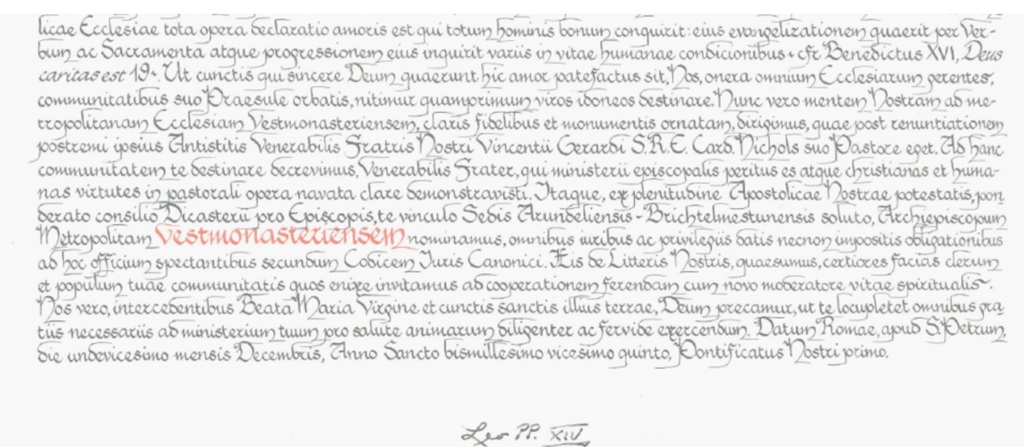
The papal nuncio, Archbishop Miguel Maury Buendía, delivered Pope Leo XIV’s apostolic letter appointing Moth as Archbishop of Westminster to Canon Jeremy Trood, Chancellor of the Diocese of Westminster. The installation ceremony commenced following the formal recitation of Pope Leo XIV’s Apostolic Letter by Canon Jeremy Trood,
Archbishop Moth accepted it and said, “I accept the pastoral care of the people of God in the Archdiocese of Westminster. I resolve to serve faithfully the Church in this Archdiocese.”
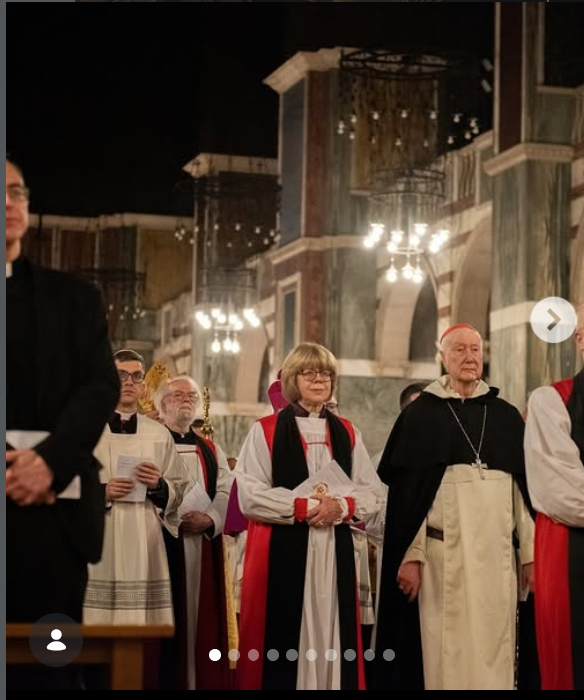
The Archbishop of Canterbury, Dame Sarah Mullally, subsequently extended a formal welcome to Archbishop Moth on behalf of the Co-Presidents of Churches Together in England.
‘I stand here also as one who has recently been confirmed as Archbishop of Canterbury and who awaits installation. In the months ahead, you and I will share a particular responsibility as Presidents of Churches Together in England, and I very much look forward to working with you to deepen our relationships and to strengthen our shared Christian witness.’
She said: “We give thanks for your calling and look ahead to our shared life and witness. We thank God for your yes to this ministry, and for your willingness to receive the office entrusted to you as Archbishop of Westminster.
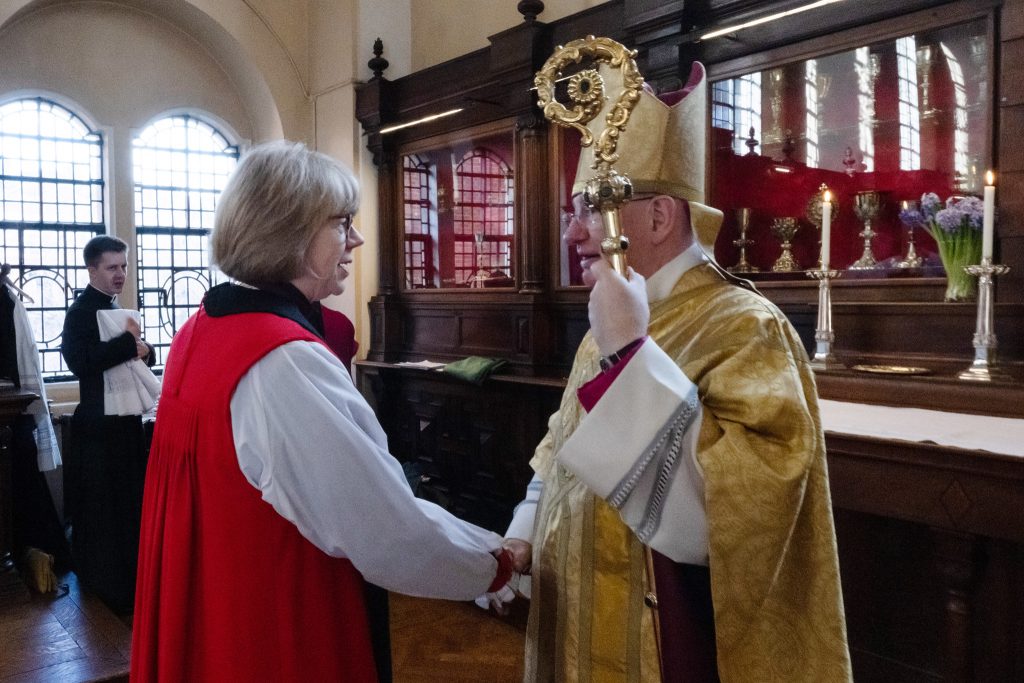
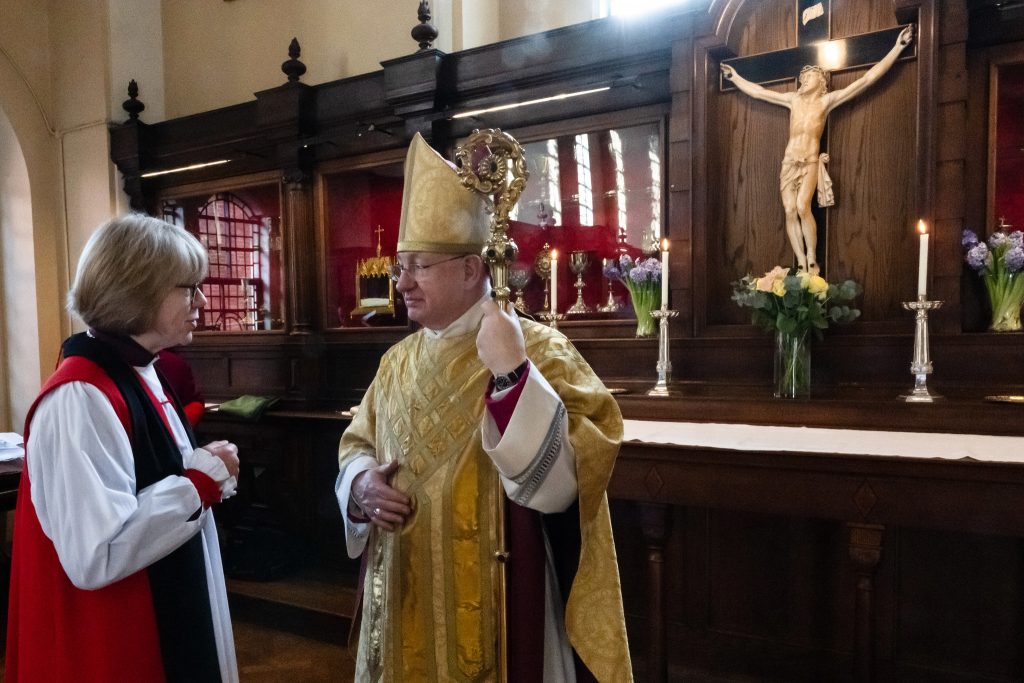
“Your service as priest and bishop has been marked by faithful pastoral care, a commitment to justice, and a deep concern for the dignity of every person made in the image of God. London has long been served by a close and constructive relationship between our Churches.
“As you take up this new responsibility, you do so building on the faithful ministry of Cardinal Vincent Nichols, for which we give thanks, and on strong foundations of trust and cooperation already in place.”
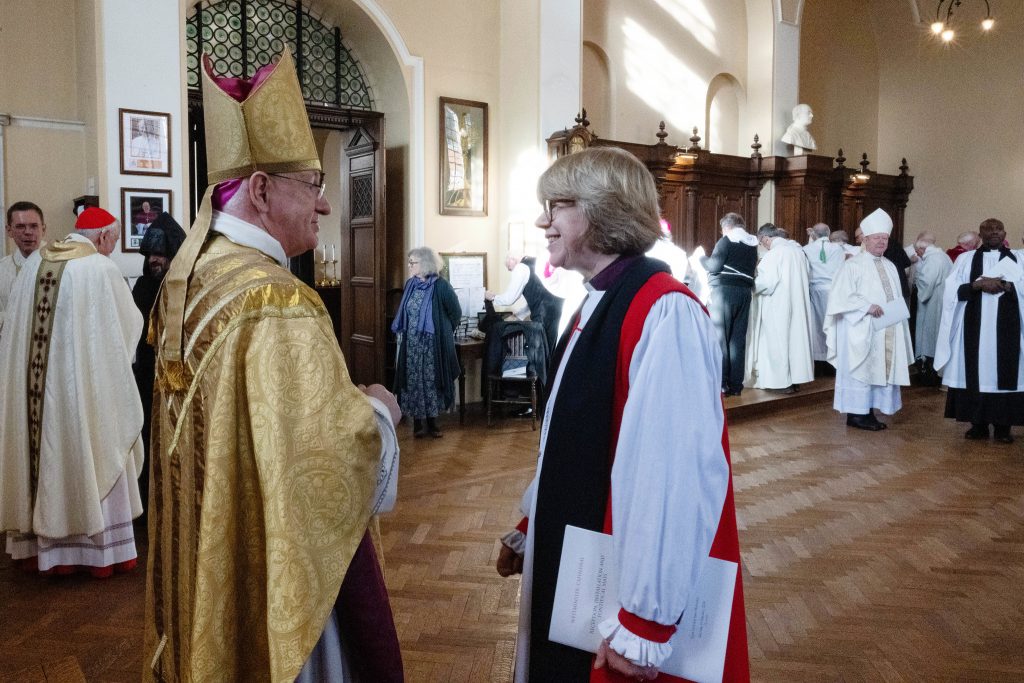
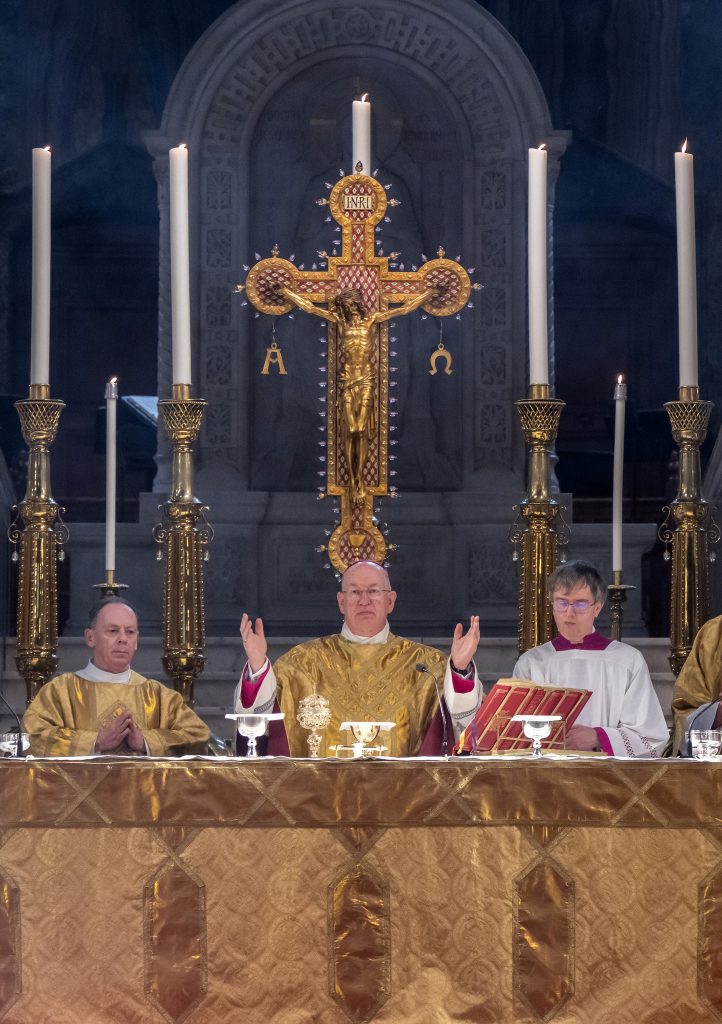
Archbishop Moth greeted the other ecumenical and diocesan representatives and then celebrated pontifical Mass, with the Creed, Sanctus, and Agnus Dei in Latin plainsong. The service ended with St John Henry Newman’s hymn, “Praise to the Holiest”.
In his inaugural homily as the twelfth Archbishop of Westminster, before a congregation comprising clergy, religious leaders, civic representatives, and lay members of the faithful, Archbishop Moth reflected on the words of St. Paul to Timothy. He emphasized that God’s calling is not a summons to worldly authority or dominance, but rather an invitation to a life characterised by self-discipline, “guided and empowered by the Holy Spirit,” and by a love that embodies Christ’s total self-sacrifice on the cross.
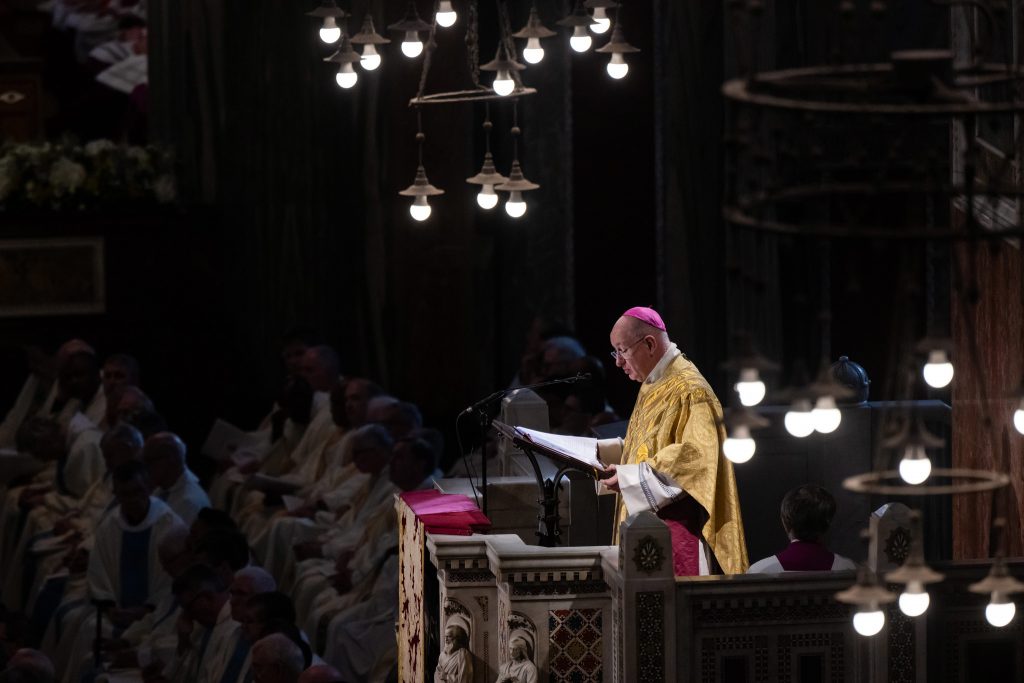
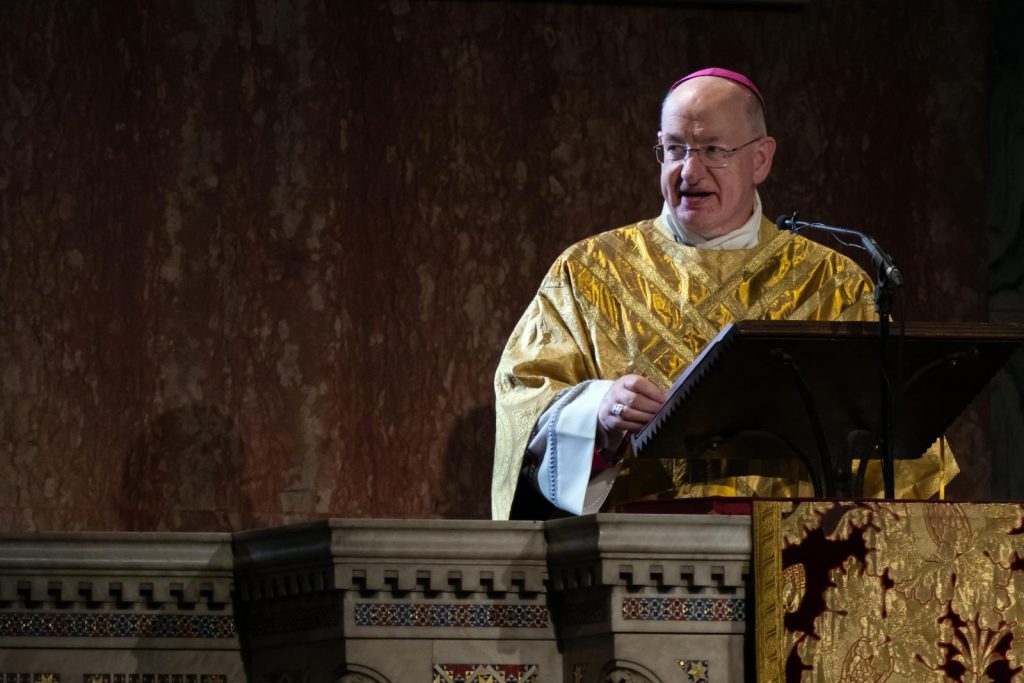
Archbishop Richard Moth’s Installation Homily
Archbishop Richard Moth’s Installation Homily
On the 26th of March 1976, I was privileged to attend this distinguished Cathedral Church, in the company of a former schoolmate who is also present today, to observe the Episcopal Ordination of the late Cardinal Basil Hume.
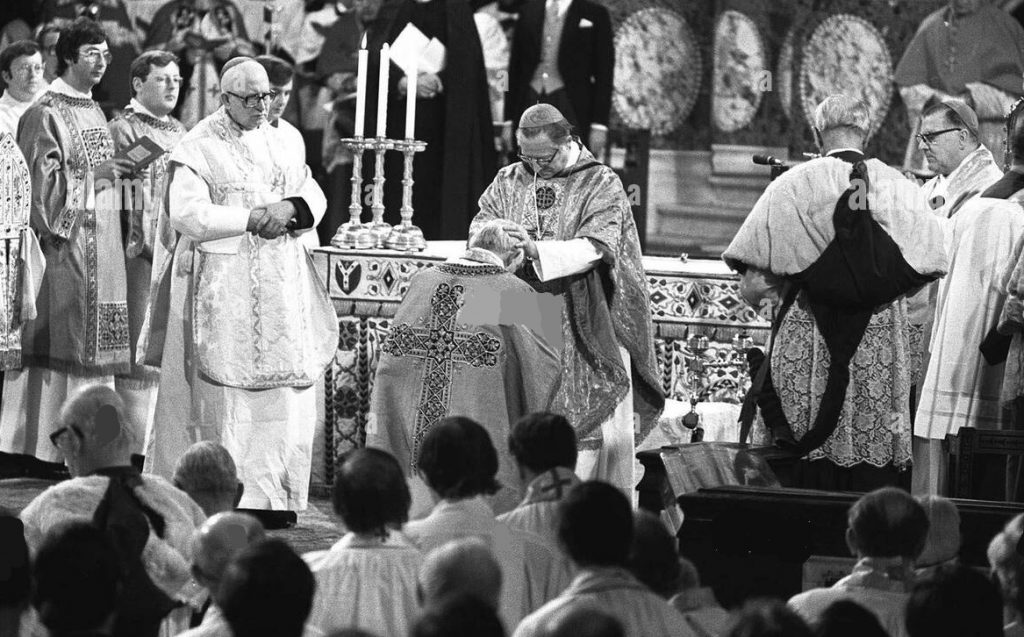
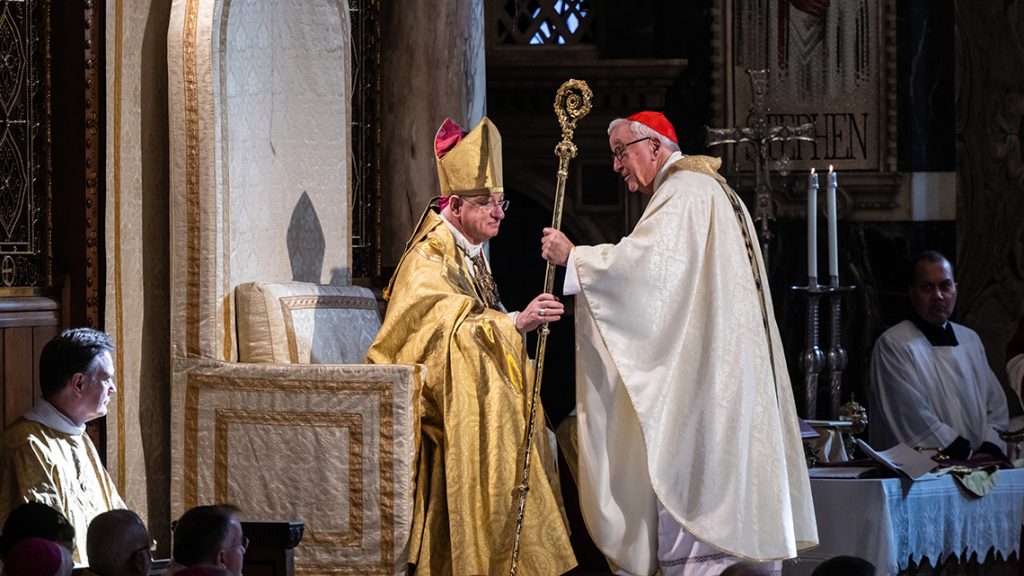
Following the Installation, the Archbishop-Emeritus, Cardinal Vincent Nichols, presented Archbishop Moth with the Westminster crozier, symbol of his office as bishop. The Provost and Canons of the Metropolitan Chapter then greeted the new Archbishop, followed by representatives of the diocesan clergy, ethnic chaplaincies, and pastoral and administrative bodies.
During that occasion, we heard the passage from St. Paul’s Second Letter to Timothy, which states: “Fan into flame the gift of God… for God has given us a spirit not of fear, but of power and love and self-discipline.
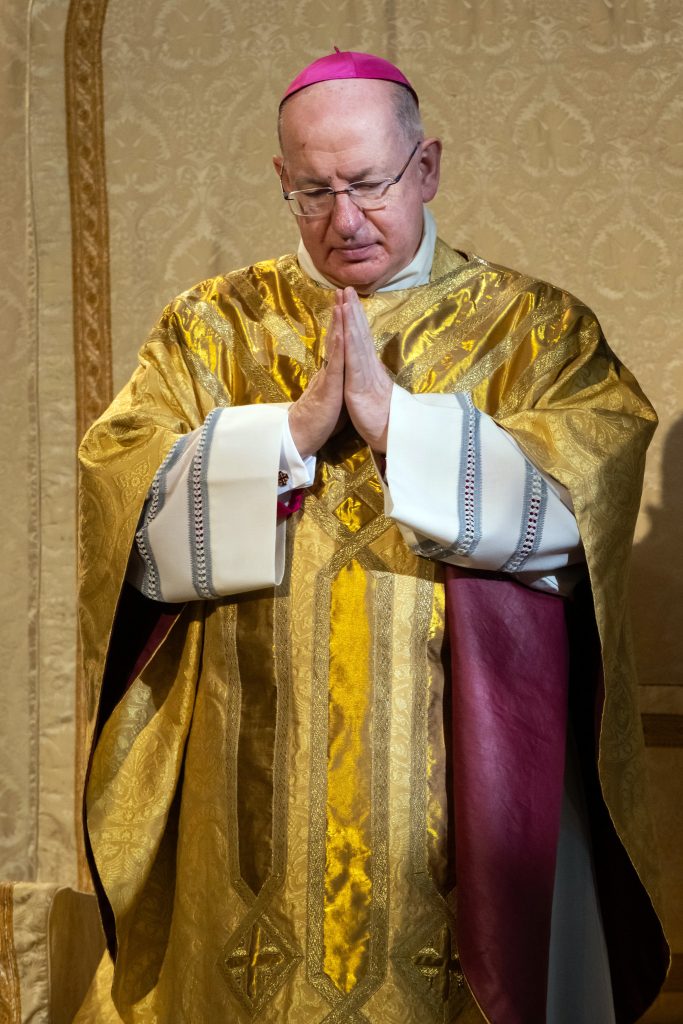
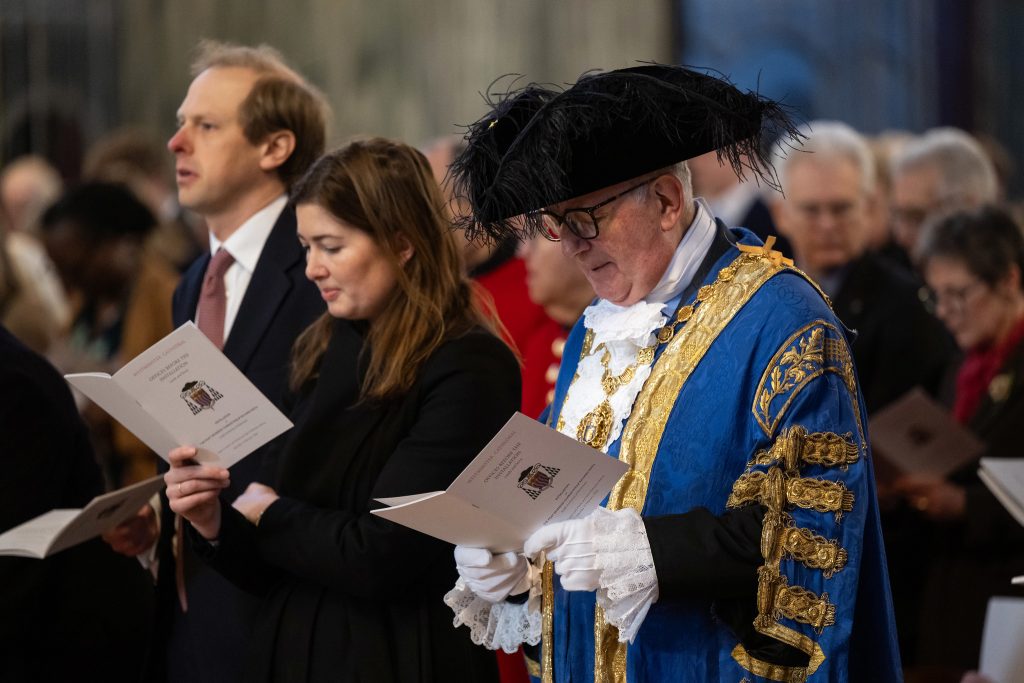
During his sermon, Archbishop Moth stressed that it is our duty to engage with modern society by openly communicating the message of the Gospel of peace. He underscored the importance of addressing contemporary challenges with clarity and compassion, ensuring that our faith principles guide and inform these vital conversations.
“Let us ensure that the light of the gospel shines brightly in our parish communities, in our homes and our schools,” he urged. “At every opportunity, let us shed the light of the gospel on the world of our day, in our universities, our places of work.”
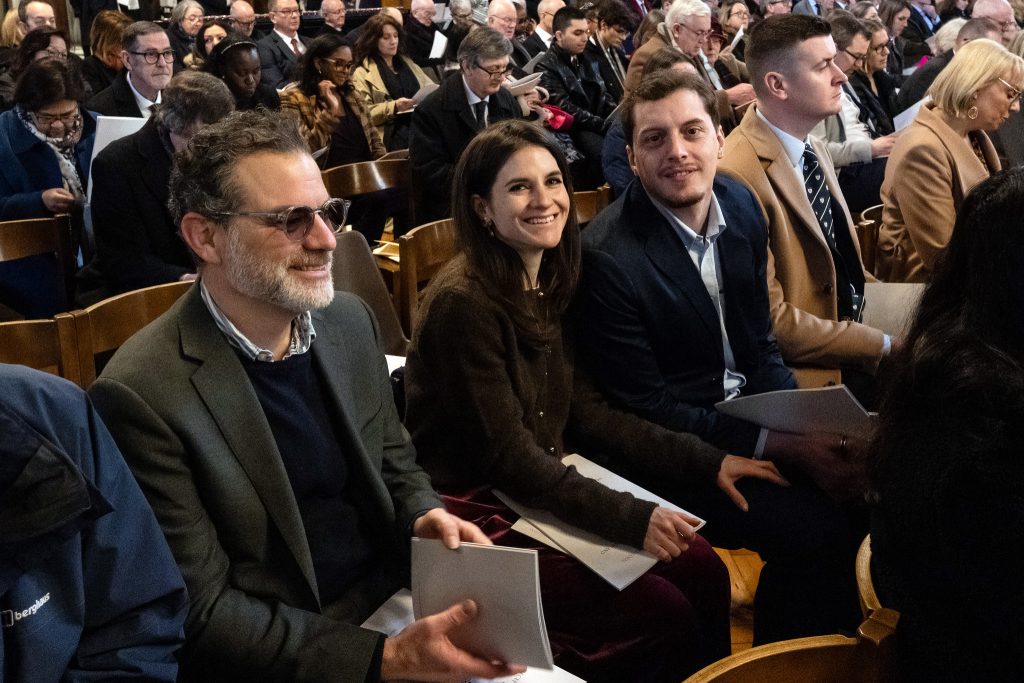

Archbishop Moth said, “God’s call to us is not a call to power as so often exercised in the world, to achieve dominion over others. Rather it is characterised by self-control, not a self-control ‘generated’ as it were from within ourselves, but a self-control guided, empowered by the Holy Spirit.
“This service is our mission as Christ’s Church. St Paul reminds us that we receive the gifts that come to us through the Holy Spirit, often experienced in gentleness and in the silence of prayer. These gifts are experienced in their fullness, fanned into flame, through our living out of the mission to which we are called.”

He also acknowledged the Church’s failures: “This work of evangelisation is vital, but it is fragile and adversely impacted by our failures in love, power and self-control. Here I am most aware of every occasion on which members of the Church, or the Church as a whole, have failed, most especially when the vulnerable have been abused.
“Such failure calls for listening to and learning from those who have suffered so grievously and a continuing commitment to ensuring that our communities are places where all are safe in their encounter with Christ and with one another.
“The reality is that the power of the Church is the power of service. It is the power of service in the way that Jesus serves, emptying of self for the salvation of all.”
The Bidding Prayers were offered by representatives from various diocesan departments, including Caritas Westminster, the Education Service, Westminster Youth Ministry, the Safeguarding Service, the Agency for Evangelisation, and the Communications Office.

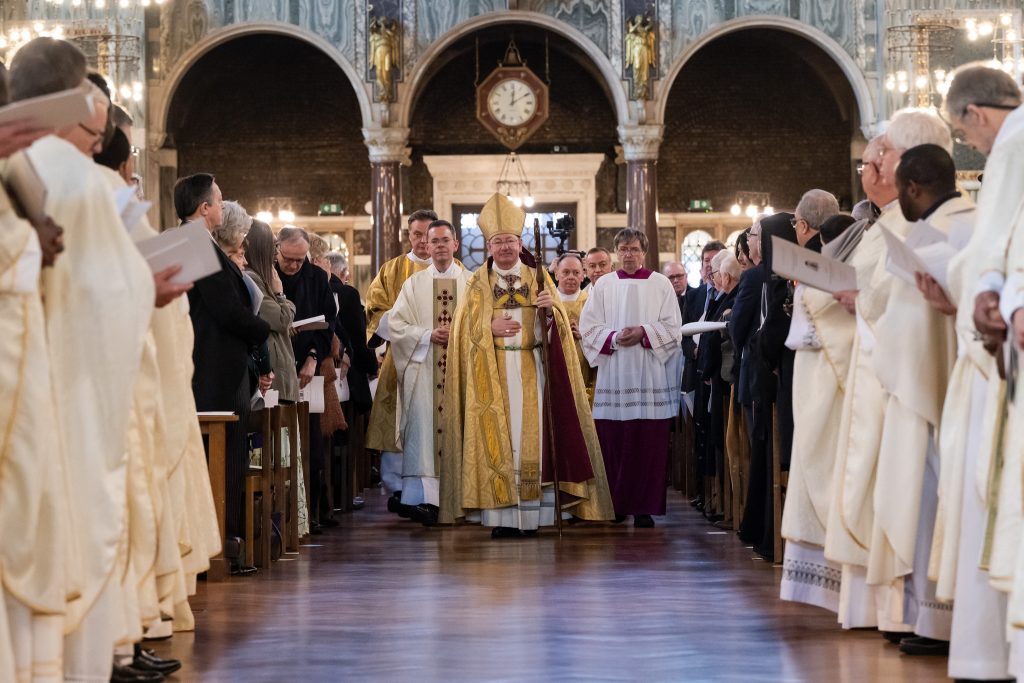
The altar frontal and vestments worn by Archbishop Moth and the Deacons were crafted by Watts & Co in 2009, using specially woven gold fabric embellished with Byzantine-inspired motifs. These designs are based on vestments from the Cathedral’s collection, originally created in 1928 for Cardinal Bourne.
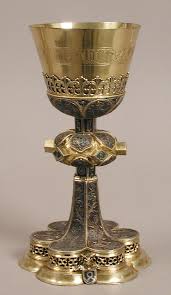
The principal chalice used by the Archbishop dates from 1529 and was crafted in silver-gilt during the reign of King Henry VIII, predating the Reformation. Donated to the Cathedral by Baron Antonio French and his sisters, it has traditionally been used on Maundy Thursday and in recent years at the Ordination of Priests.
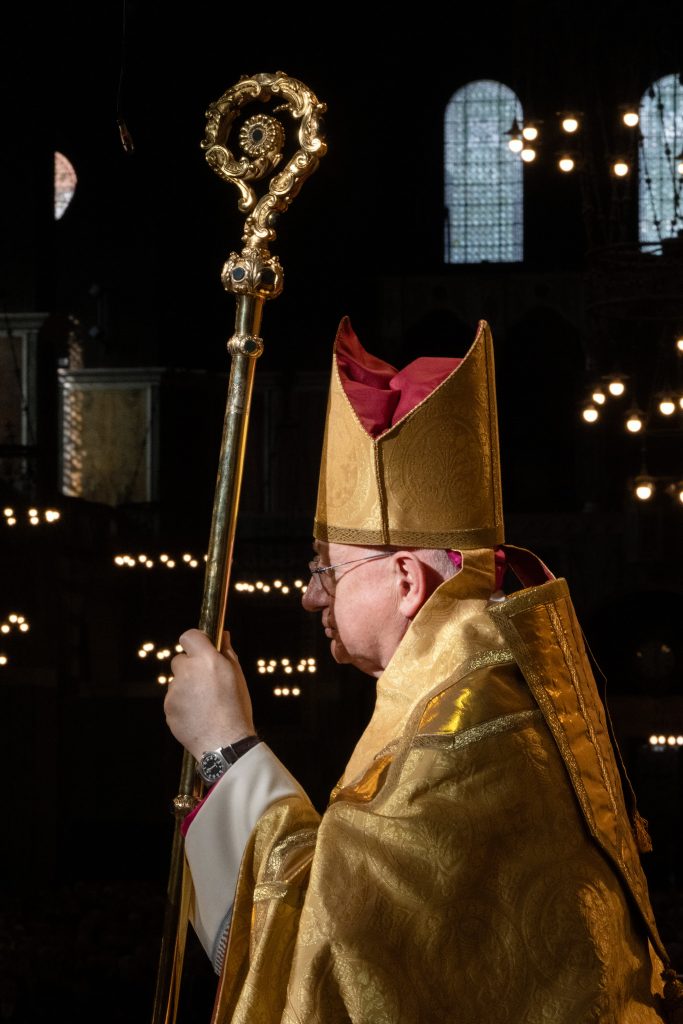
The Archbishop’s crozier, along with other liturgical vessels, constitutes part of an esteemed collection of Italian silver-gilt ecclesiastical ceremonial plate that was previously owned by Cardinal Edward Henry Howard (1829–1892), who served as the Cardinal Archpriest of St Peter’s Basilica in Rome.
Towards the end of the Mass, during the singing of the Church’s great hymn of thanksgiving, the Te Deum, Archbishop Moth was led around the Cathedral to bless the people, and in doing so, paused briefly for prayer at the tomb of one of his predecessors, Cardinal Cormac Murphy-O’Connor, the 10th Archbishop of Westminster (2000-2009), and 3rd Bishop of Arundel and Brighton (1977-2000).
The Diocese of Westminster covers the London boroughs situated to the north of the River Thames, extending from the River Lea in the east to Hillingdon in the west, and including Hertfordshire to the north as well as the Borough of Spelthorne to the south. Presently, the parishes and educational institutions within the diocese encompass a wide array of cultural backgrounds and traditions. A central element of its mission is embodied through organisations such as Caritas Westminster, which provide support to individuals facing social exclusion due to factors such as poverty, disability, social isolation, or exploitation.
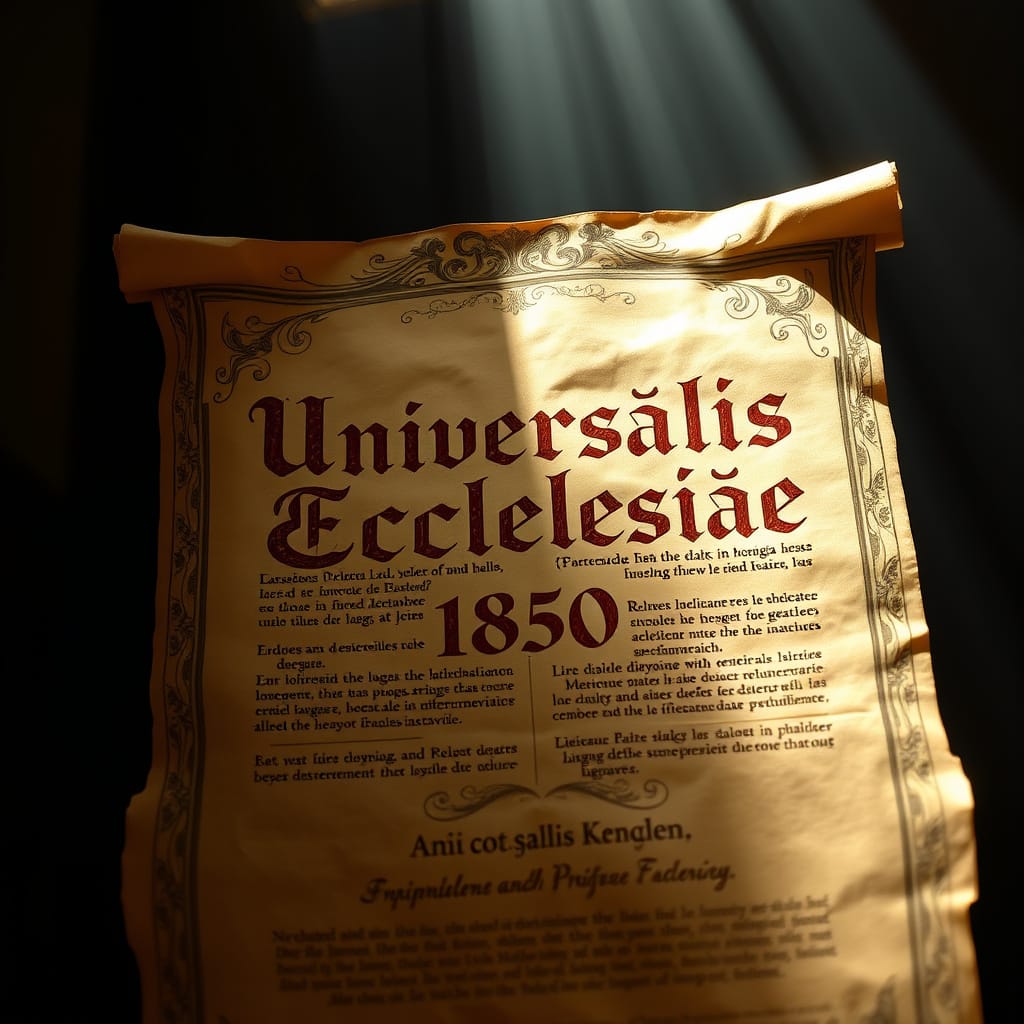
Westminster Cathedral was founded by Blessed Pius IX on 29 September 1850, and in 2025, the diocese marked its 175th anniversary. Universalis Ecclesiae a papal bull of 29 September 1850 by which Pope Pius IX recreated the Roman Catholic diocesan hierarchy in England, which had been extinguished with the death of the last Marian bishop in the reign of Elizabeth I. New names were given to the dioceses, as the old ones were in use by the Church of England. The bull aroused considerable anti-Catholic feeling among English Protestants.