The Stabat Mater
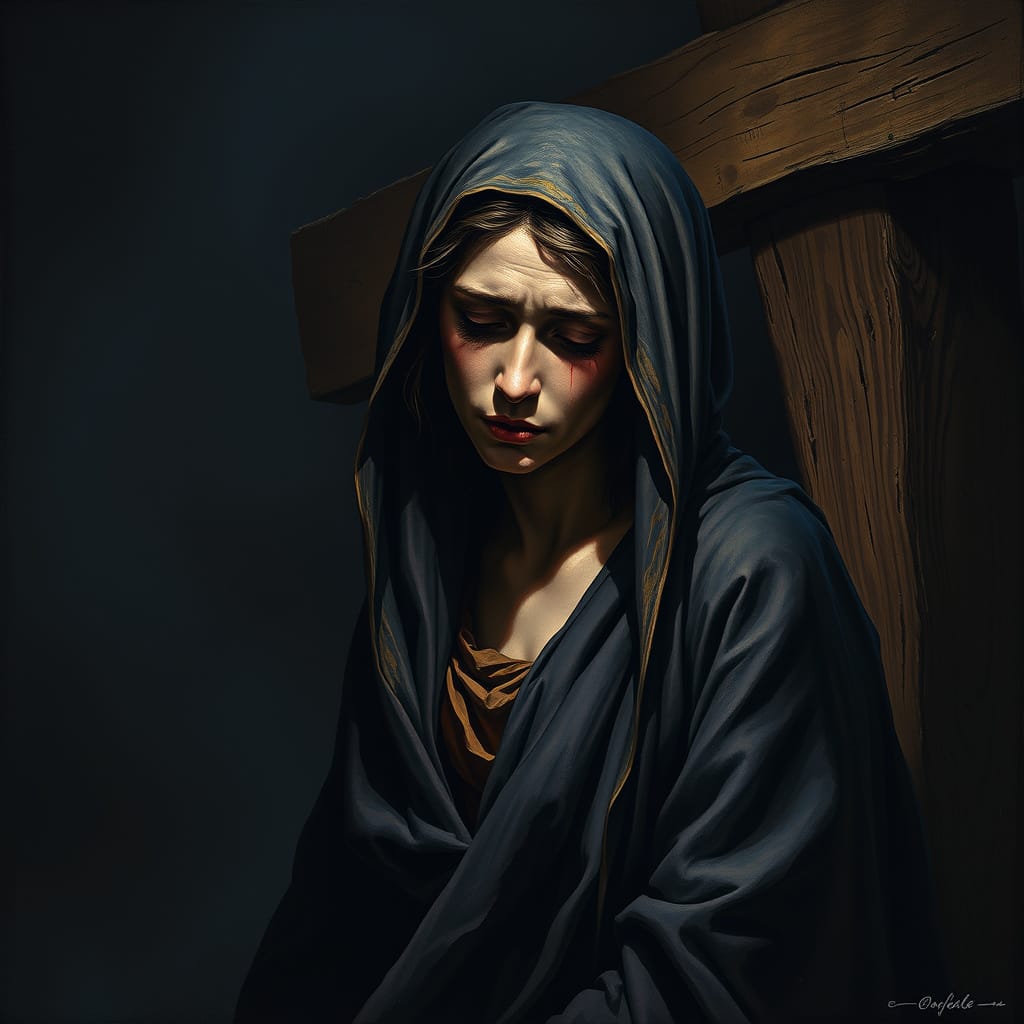
The Stabat Mater
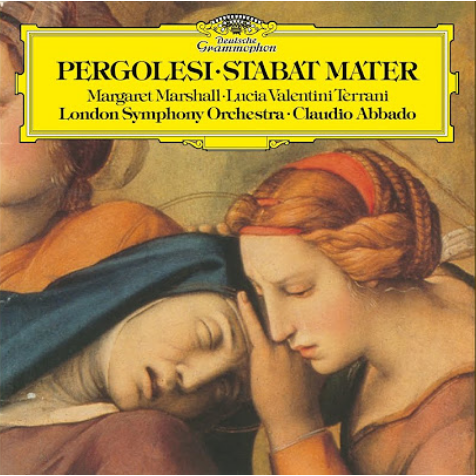
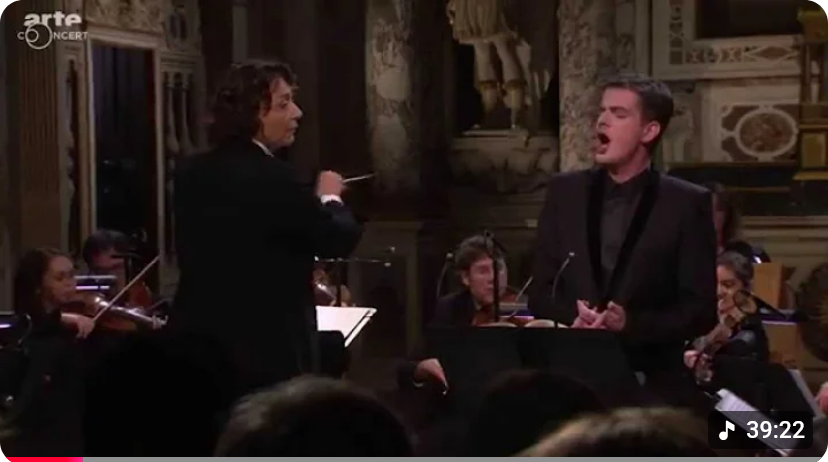
Pergolesi – Stabat Mater (complete/full) – Nathalie Stutzmann
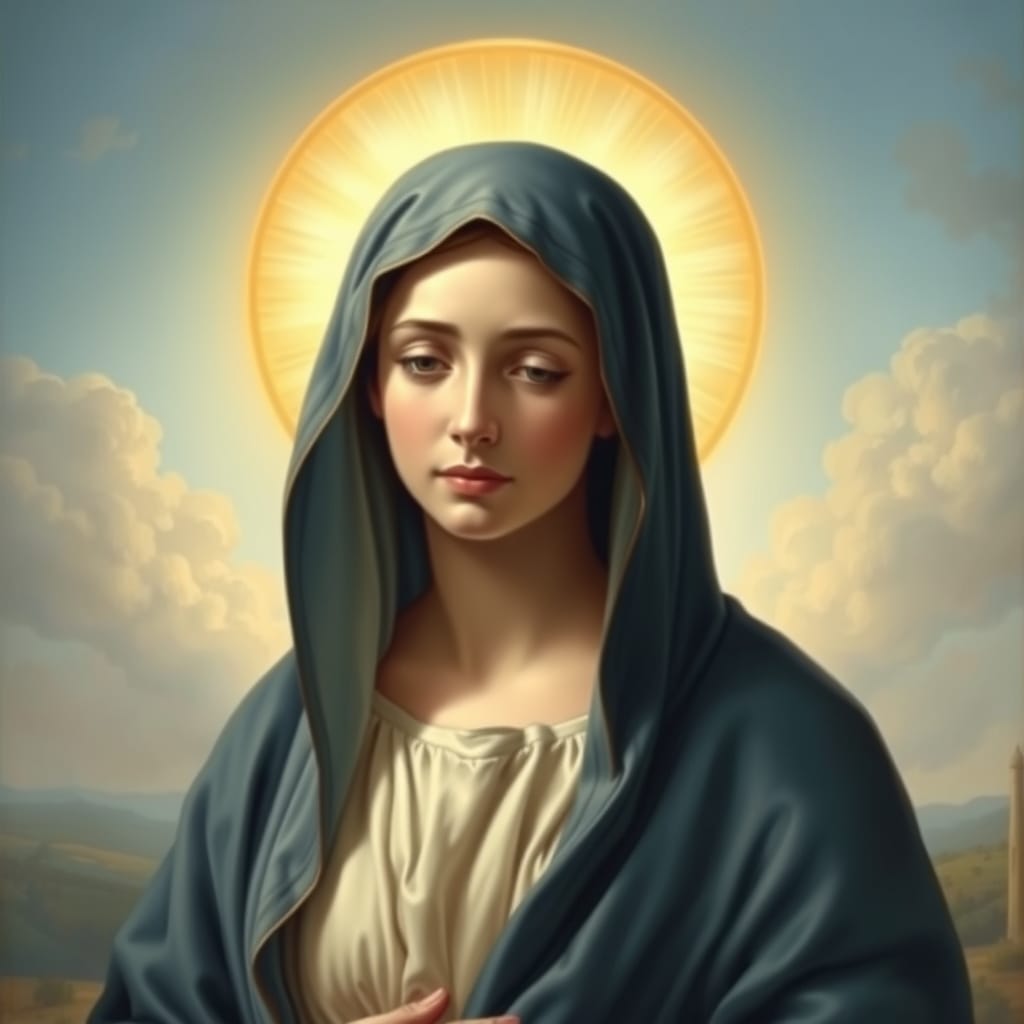
The liturgical hymn Stabat Mater is one of the most moving works of sacred music, eloquently expressing the sorrow of the Blessed Virgin Mary standing beneath the Cross of Christ. as he suffered his agonising death. Its words and melodies inspire deep reflection, prayer, and gratitude for the sacrifice of the Passion.
Following Easter, the Stabat Mater’s significance is heightened, as the sorrow of Calvary is now illuminated by the joy and triumph of the Resurrection.
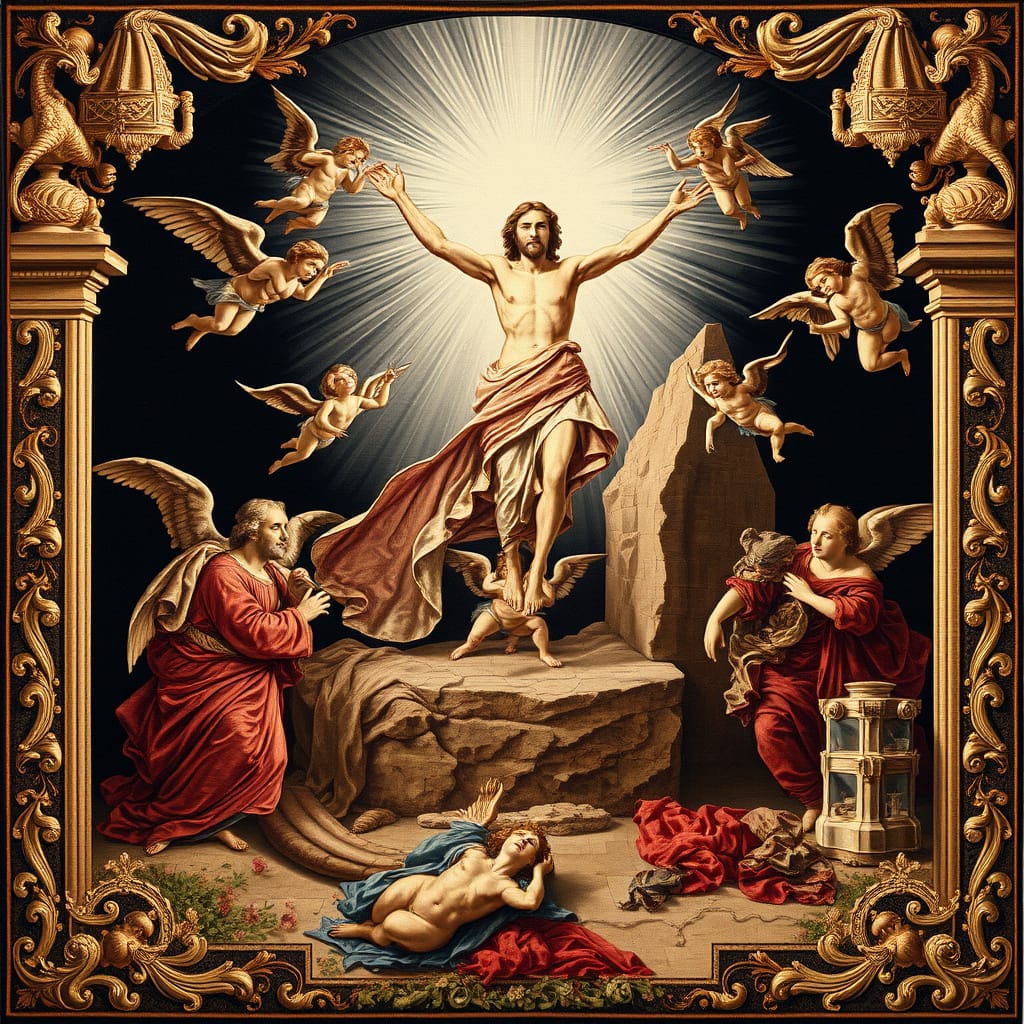
In this context, the hymn serves as a reminder to believers that suffering is not the final chapter, for through Christ’s victory, hope and eternal life are made evident.
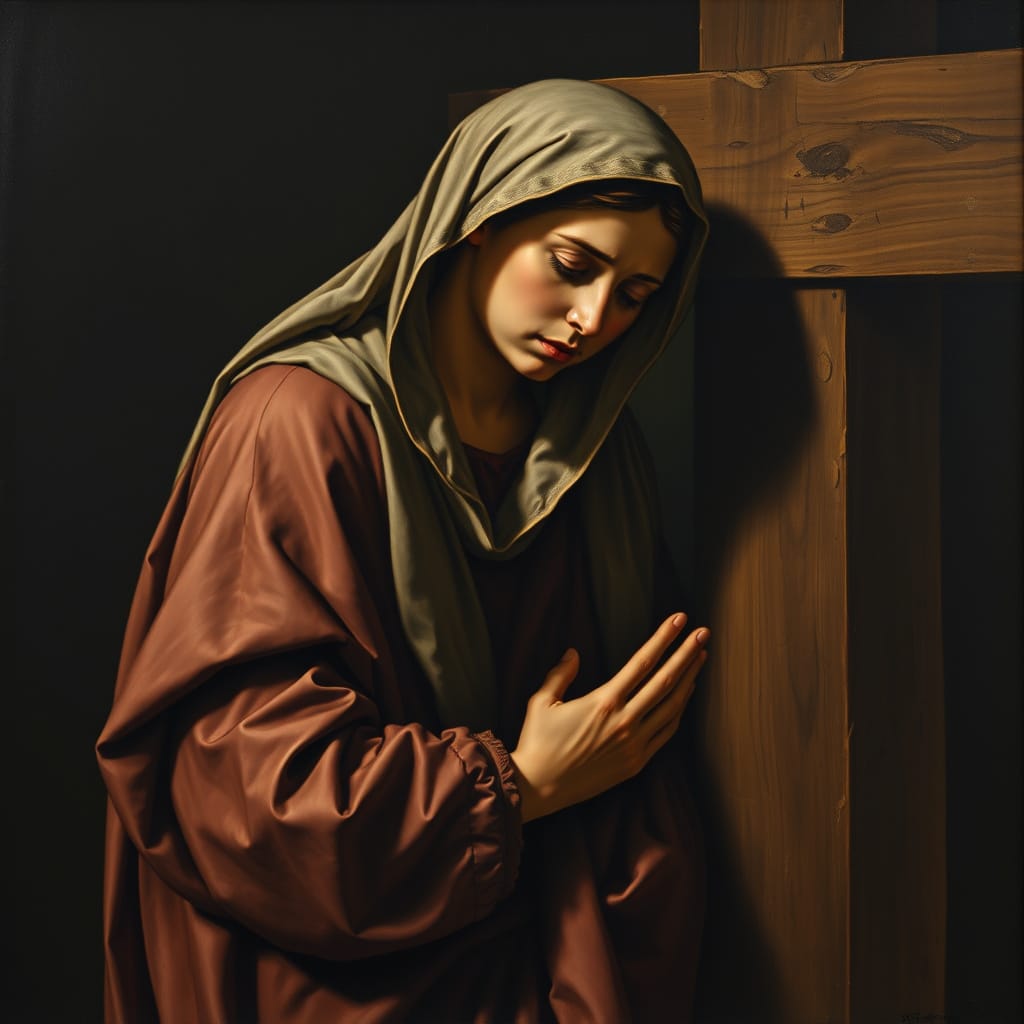
The Stabat Mater is a 13th-century Christian hymn dedicated to the Virgin Mary, illustrating her suffering as mother during the crucifixion of her son, Jesus Christ. Its authorship is attributed either to the Franciscan friar Jacopone da Todi or to Pope Innocent III. The title is derived from its opening line, “Stabat Mater dolorosa,” which translates to “the sorrowful mother was standing
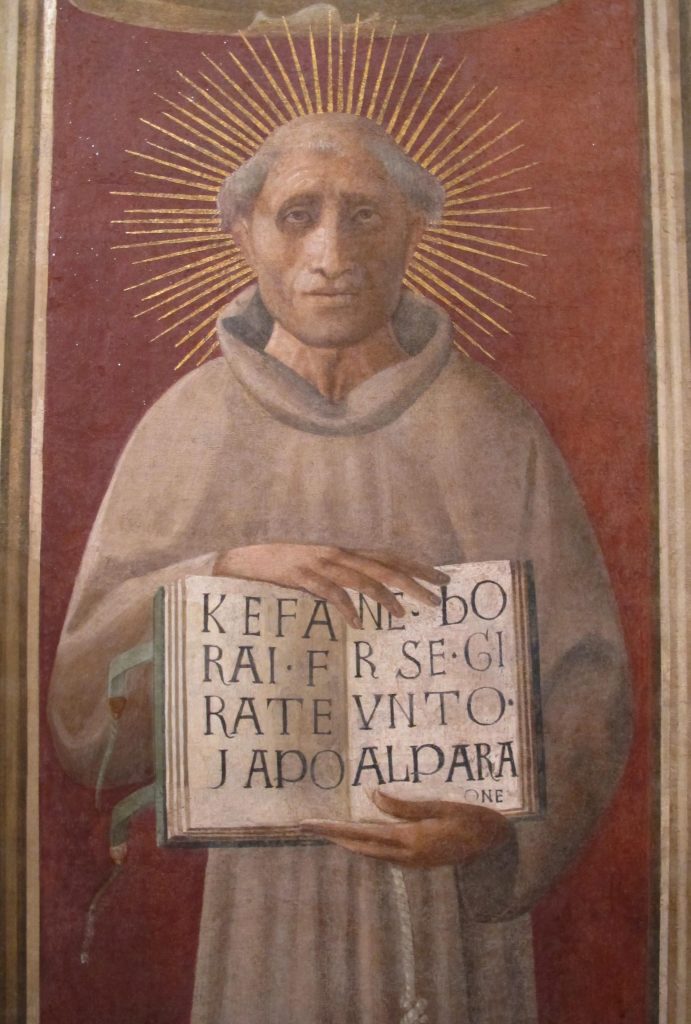
Jacopone da Todi O.F.M. (c. 1230 – 25 December 1306) was an Italian Franciscan friar from Umbria. He composed several laude (songs in praise of the Lord) in the local vernacular. He was an early pioneer of Italian theatre, recognised as one of the first scholars to dramatise Gospel themes.
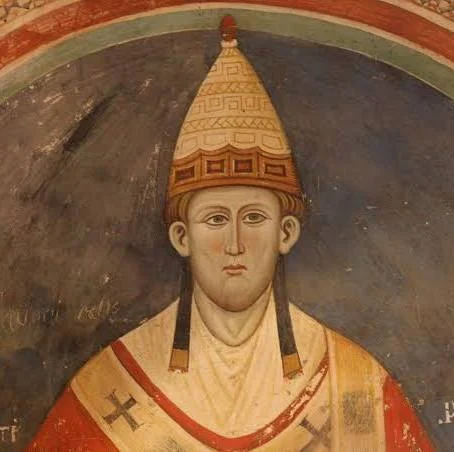
Pope Innocent III (Latin: Innocentius III; born Lotario de’ Conti di Segni;[a] 22 February 1161 – 16 July 1216)[1] was the head of the Catholic Church and sovereign of the Papal States from 8 January 1198 until his death in 1216.
.
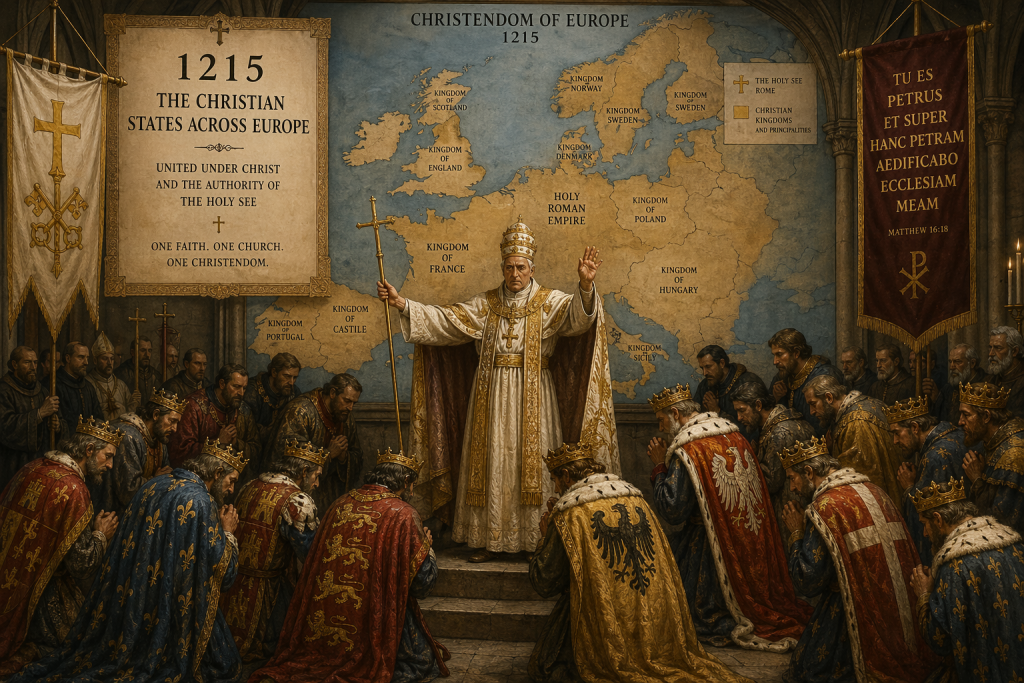
Pope Innocent is recognised as one of the most influential and prominent of the medieval popes. He exercised significant influence over the Christian states across Europe, asserting authority over many of Europe’s monarchs
.This hymn is traditionally sung during the liturgy on the memorial of Our Lady of Sorrows. The Stabat Mater has been set to music by numerous Western composers.
While the Stabat Mater has often been attributed to Jacopone da Todi (circa 1230–1306), this attribution has been seriously questioned following the discovery of the earliest notated version of the hymn in a 13th-century gradual belonging to Dominican nuns in Bologna (Museo Civico Medievale MS 518, fo. 200v-04r).
By the end of the 14th century, the Stabat Mater was widely recognised; Georgius Stella referenced its use in 1388, and other historians note its continued application later in the same century. In Provence, around 1399, it was utilised during the nine days’ processions.
As a liturgical sequence, the Stabat Mater was suppressed along with many other sequences by the Council of Trent. However, it was reinstated in the missal by Pope Benedict XIII in 1727 for the Feast of the Seven Dolours of the Blessed Virgin Mary.
Pope Benedict XIII (Latin: Benedictus XIII; Italian: Benedetto XIII; 2 February 1649 – 21 February 1730), born Pietro Francesco (or Pierfrancesco) Orsini and later known as Vincenzo Maria Orsini, served as the head of the Catholic Church and ruler of the Papal States from 29 May 1724 until his death in February 1730.[2]
A Dominican friar, Orsini dedicated himself primarily to his religious duties as a bishop rather than to papal administration. His limited political expertise ultimately led him to become increasingly dependent on an unscrupulous secretary (Cardinal Niccolò Coscia), whose financial misconduct severely depleted the papal treasury and caused significant harm to the Church in Rome.