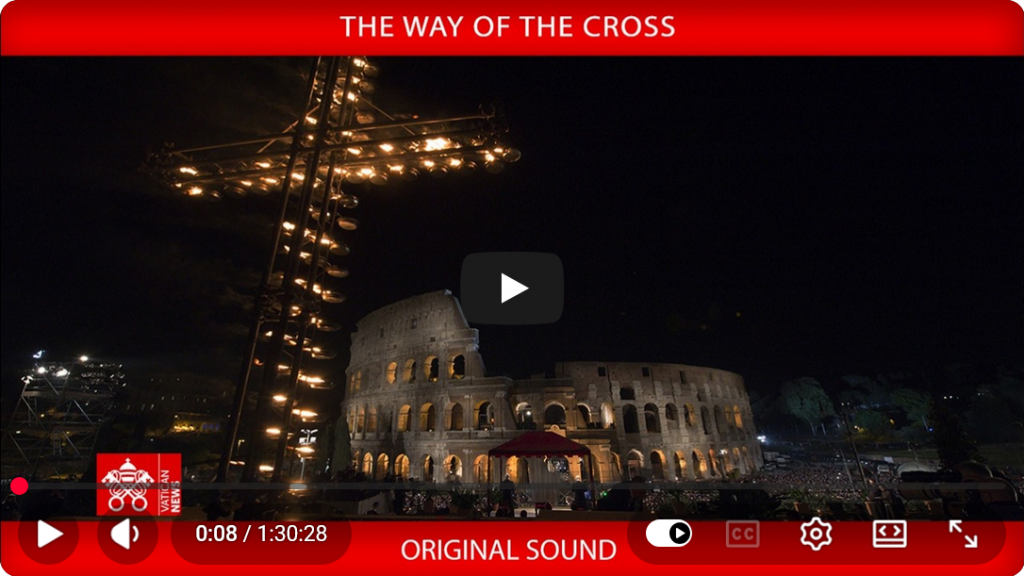


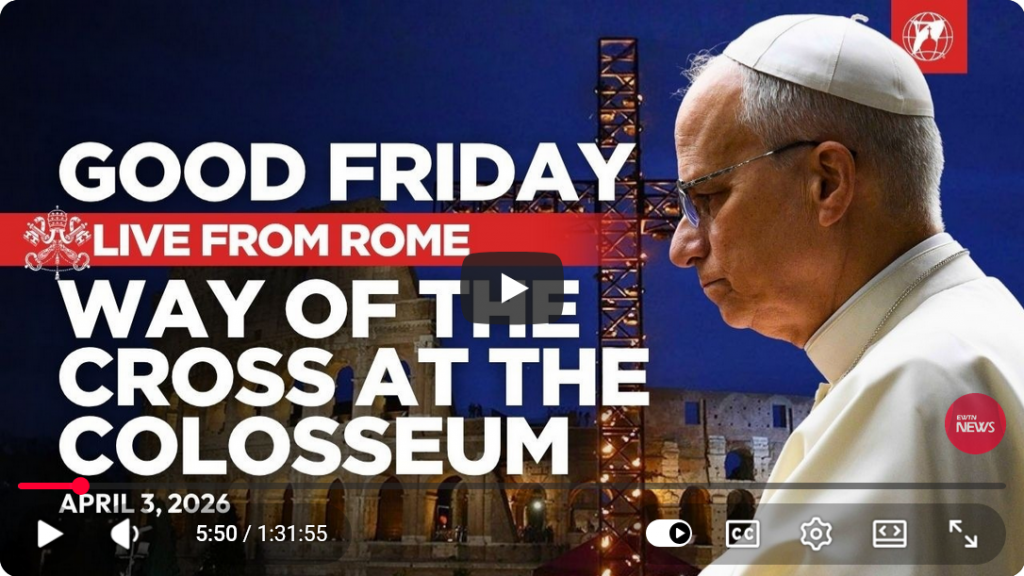
Booklet of the GOOD FRIDAY-THE PASSION OF THE LORD, THE WAY OF THE CROSS, COLOSSEUM, ROME, 3 APRIL 2026
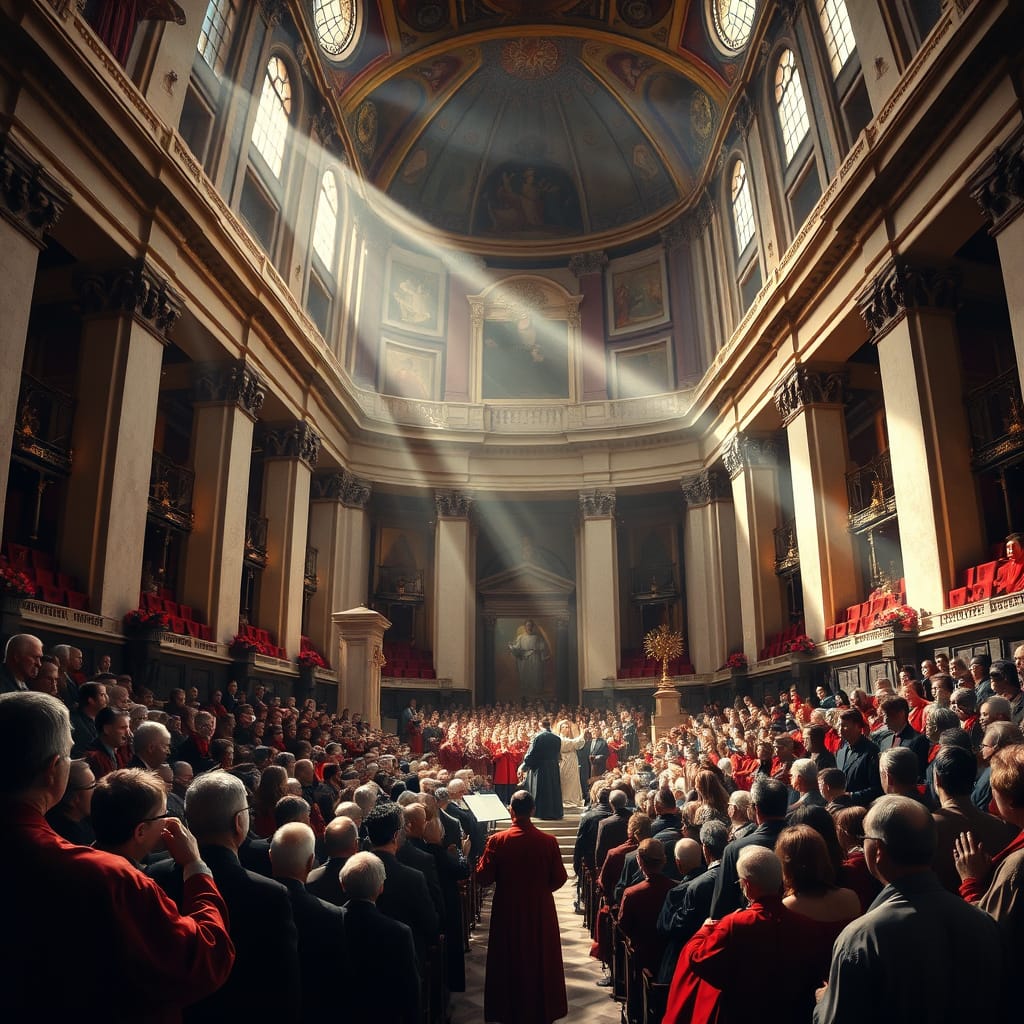
Prayers and Meditations on THE WAY OF THE CROSS COLOSSEUM, ROME, 3 APRIL 2026
Prayers and Meditations on THE WAY OF THE CROSS COLOSSEUM, ROME, 3 APRIL 2026
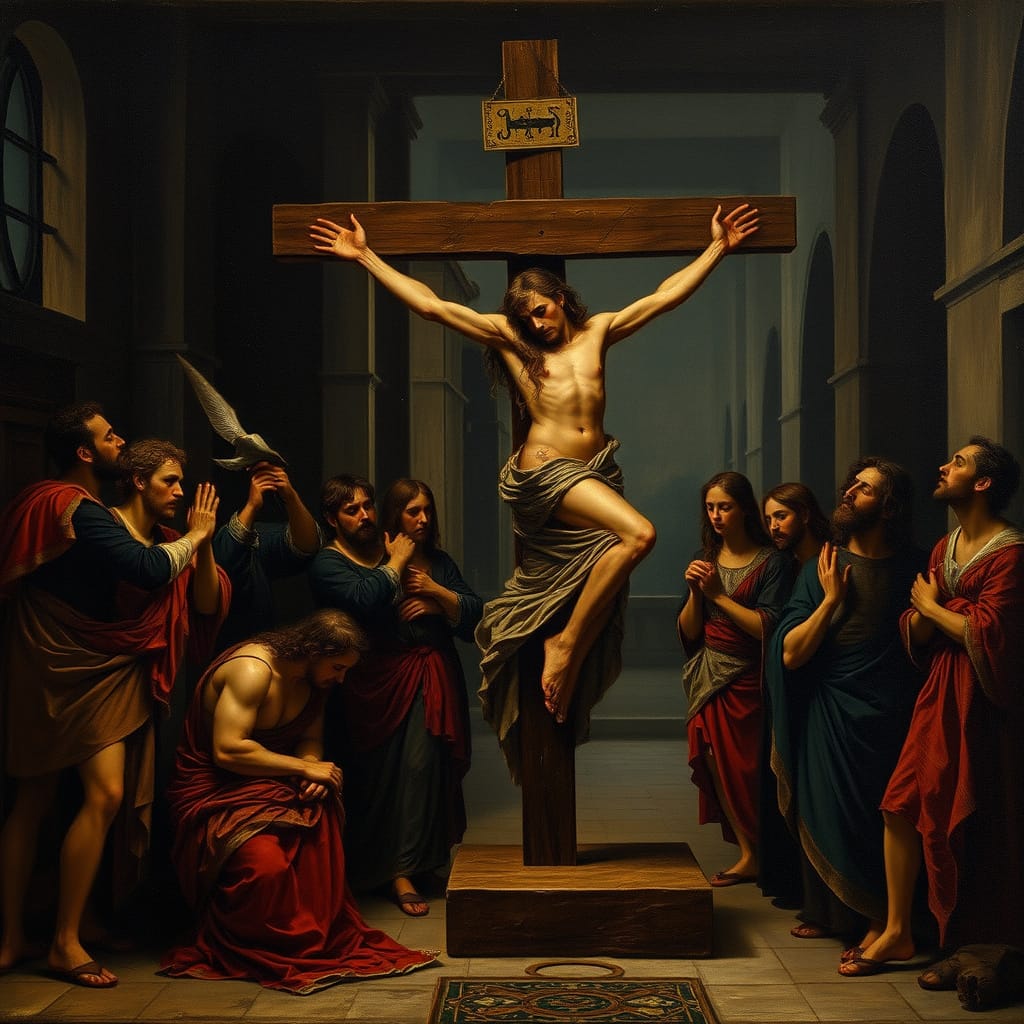
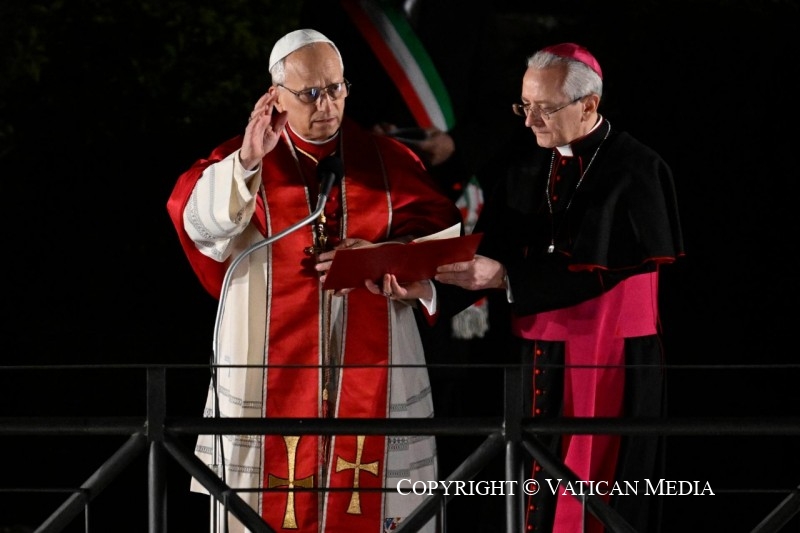
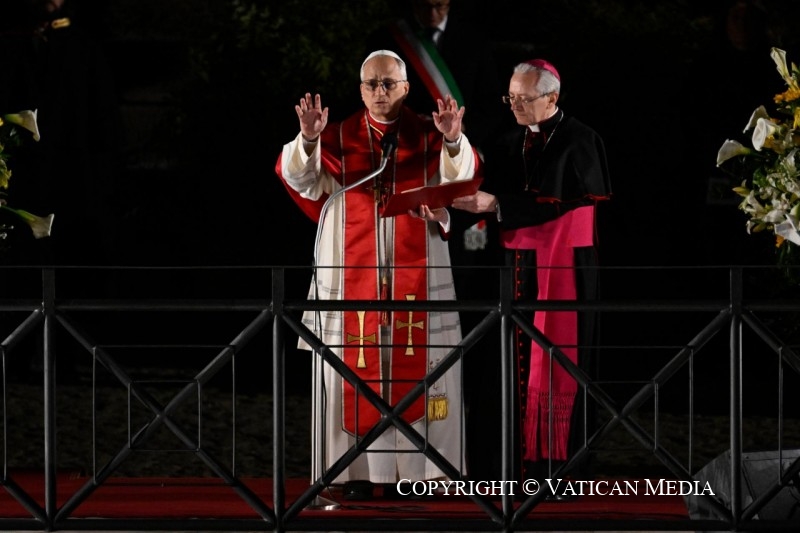
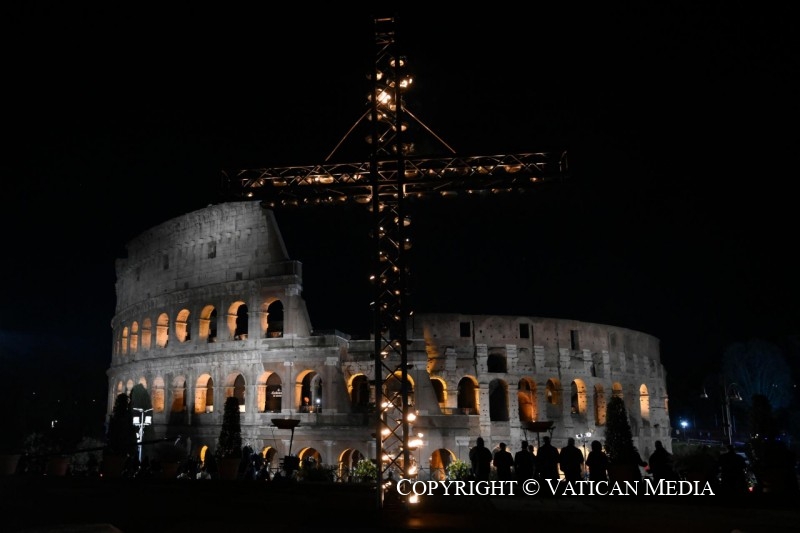
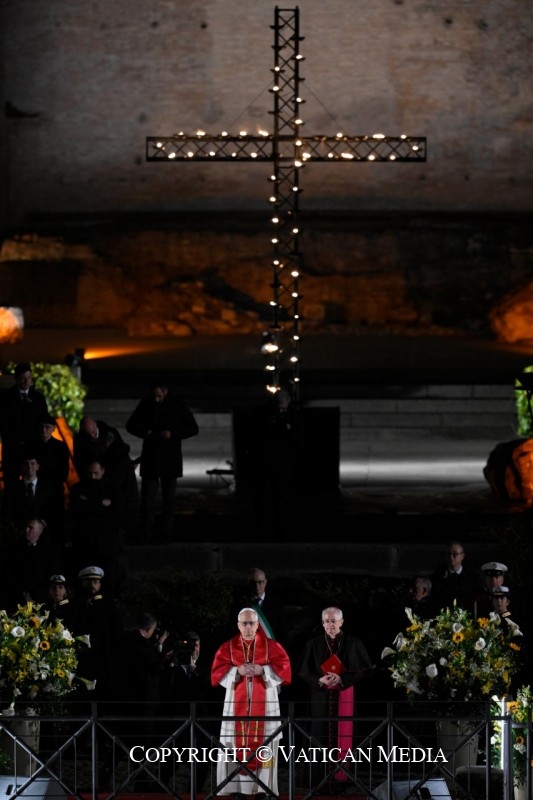
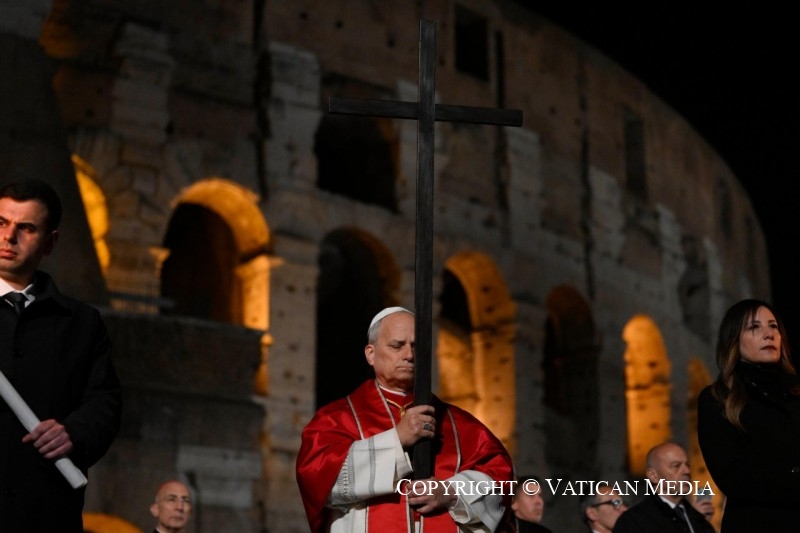
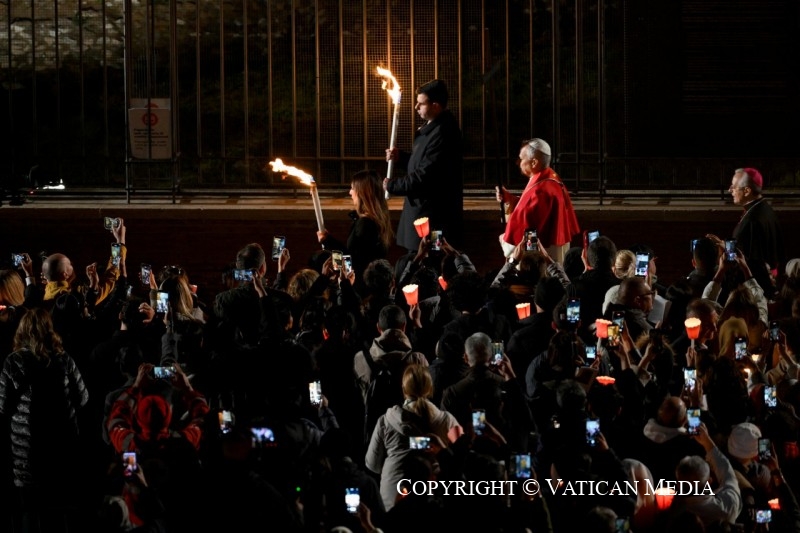
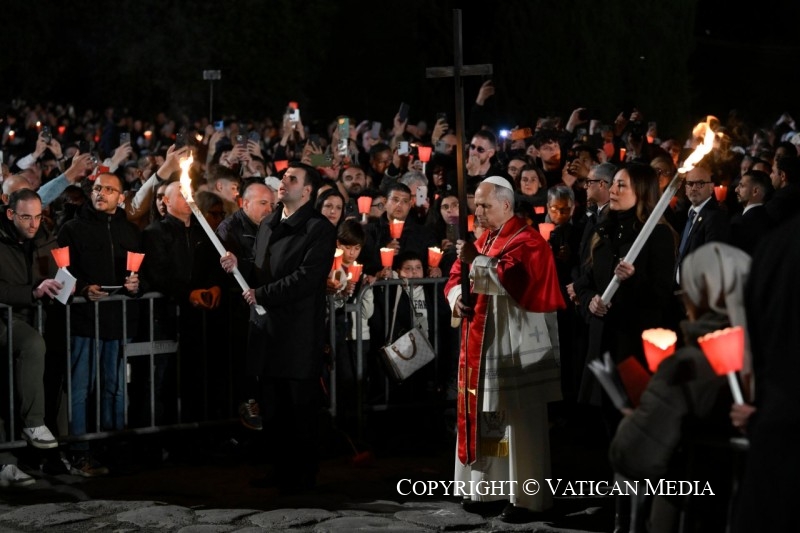
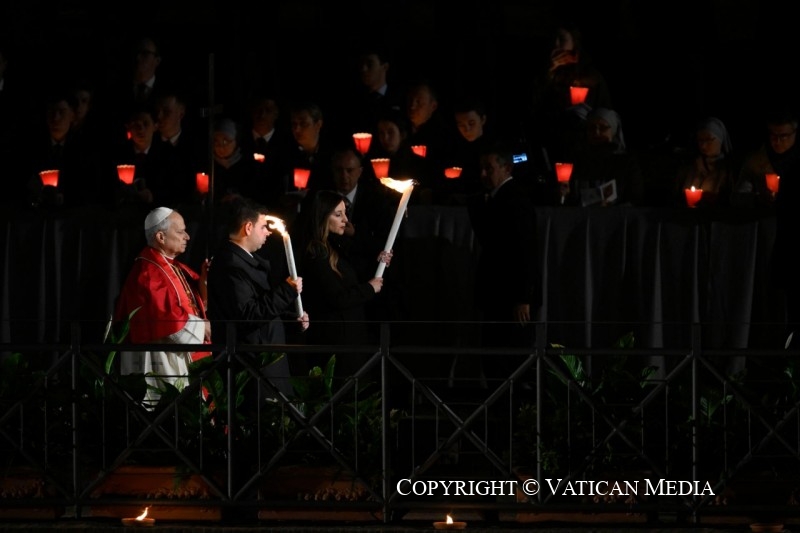
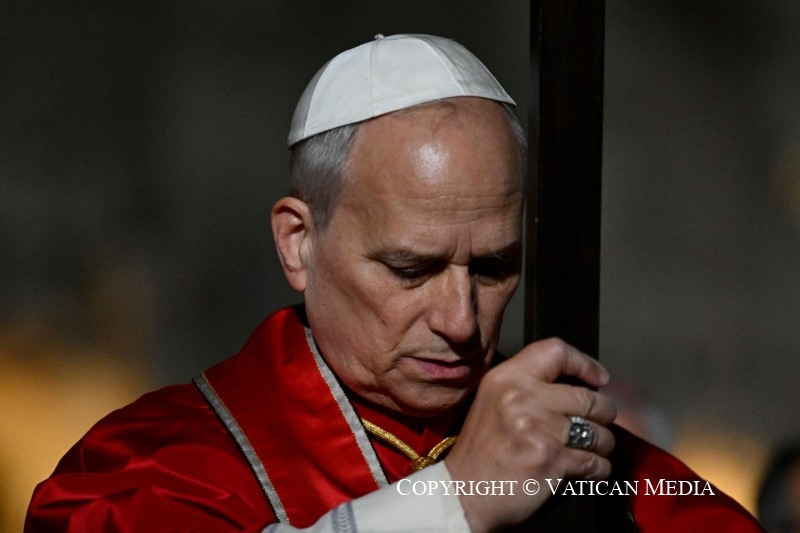
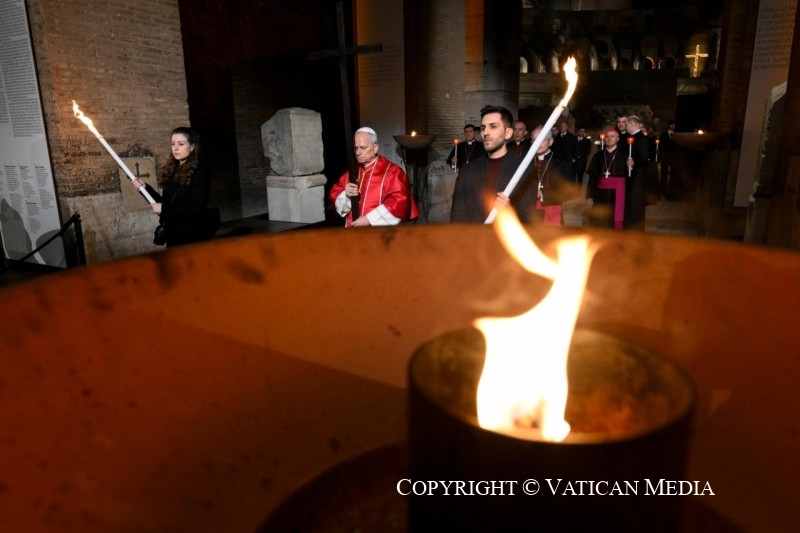
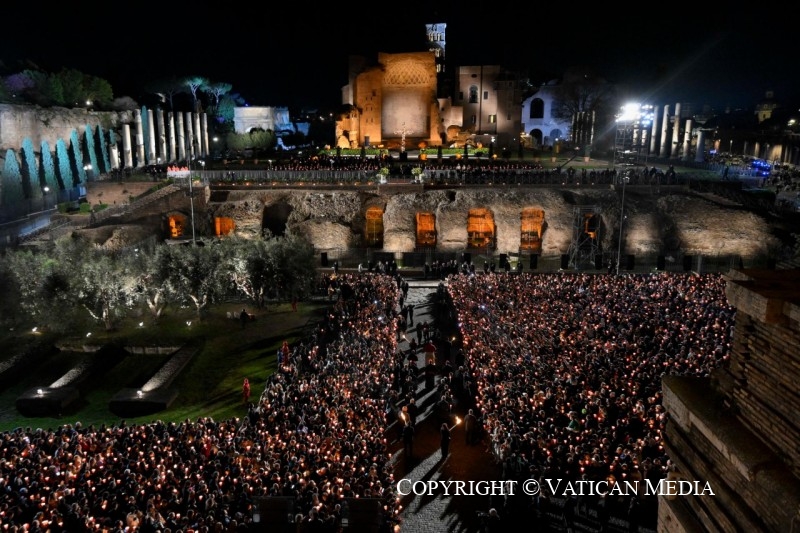
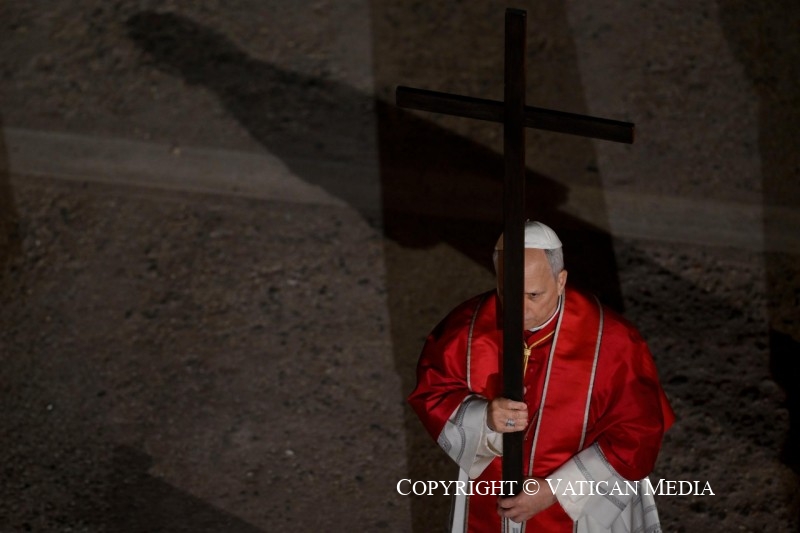
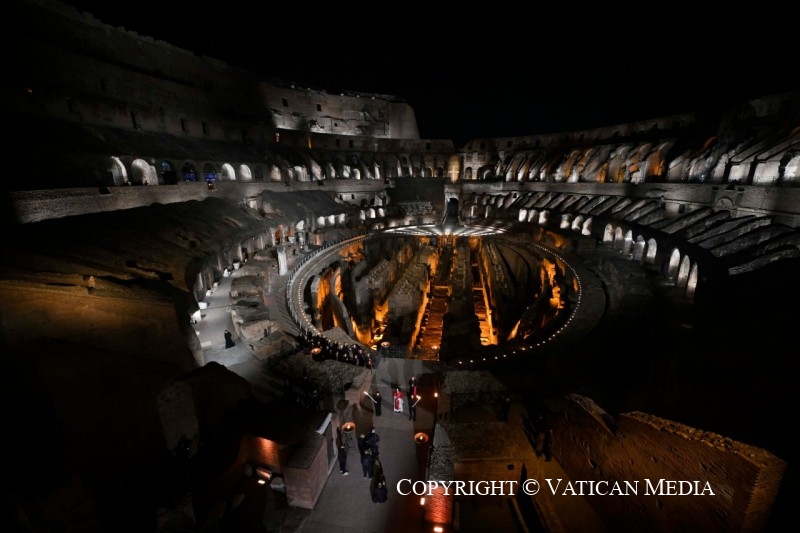
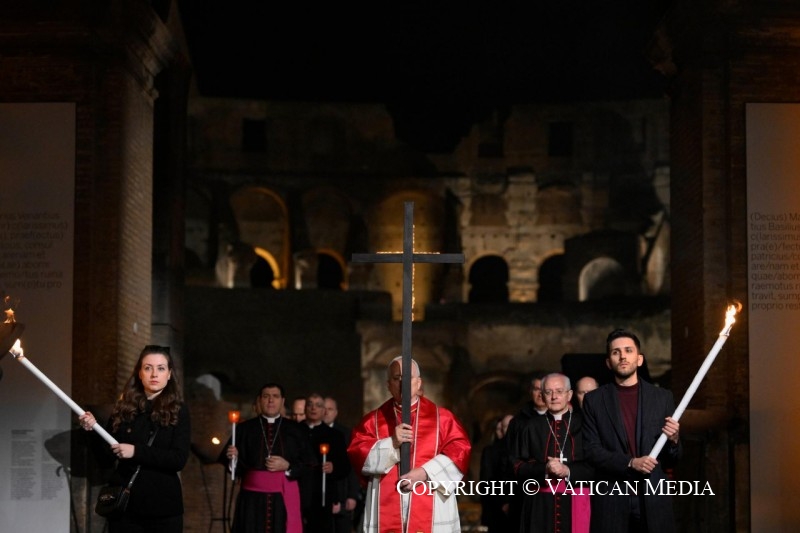
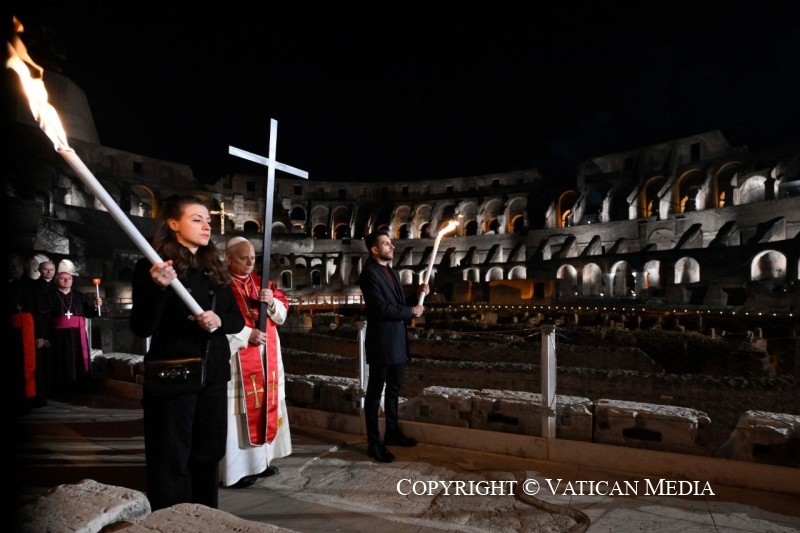
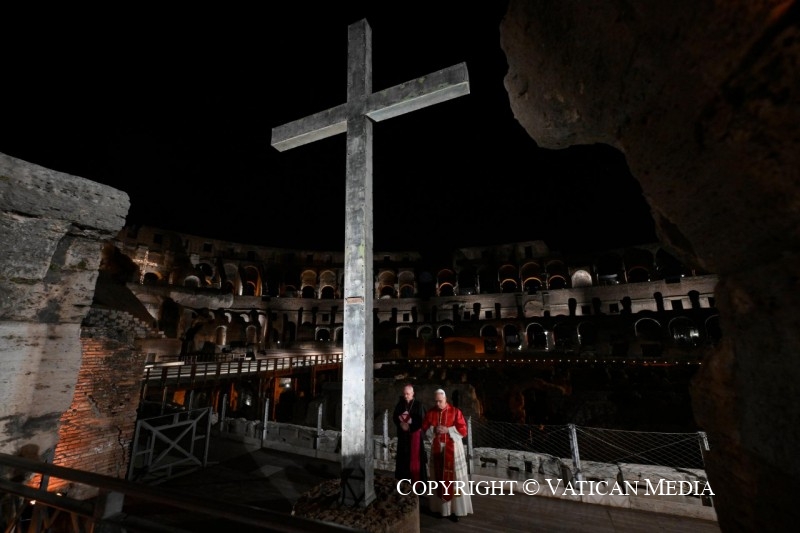
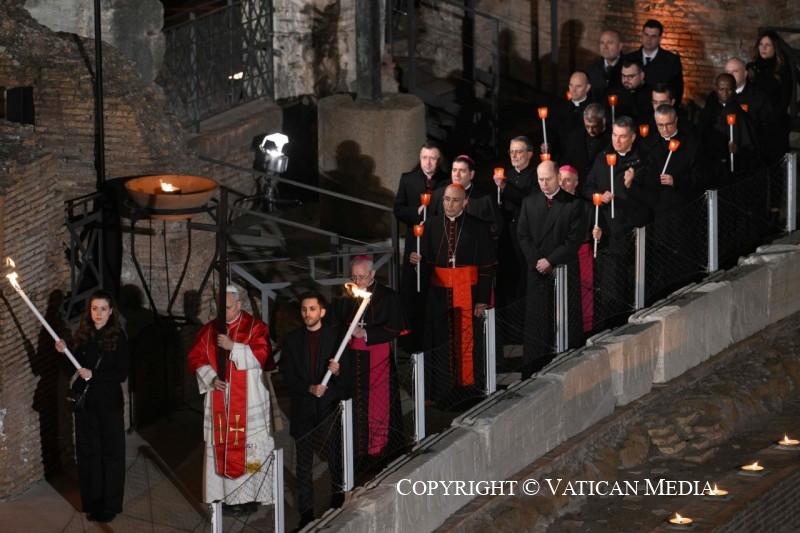
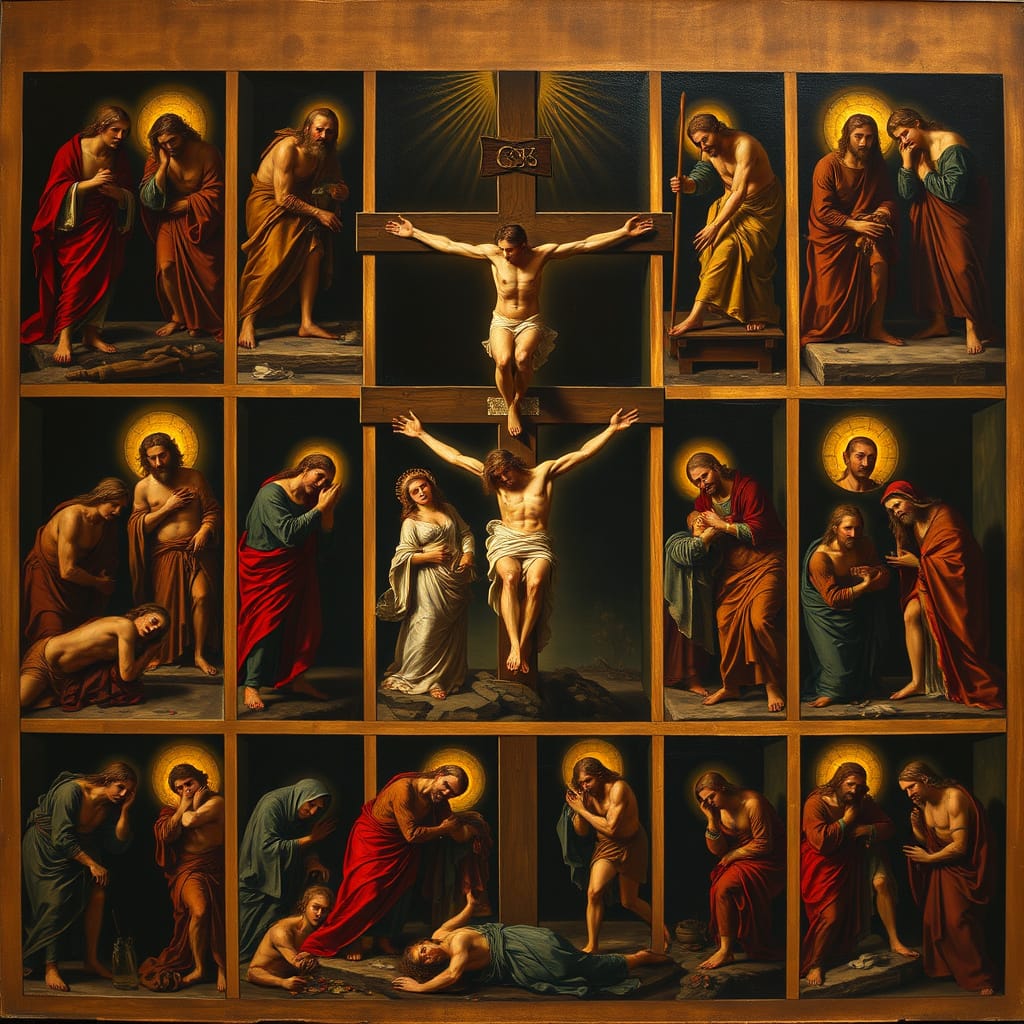
The Stations of the Cross (or Way of the Cross) are a 14-step Catholic devotion commemorating Jesus Christ’s last day on earth, from his condemnation to his burial. Primarily practiced during Lent and on Good Friday, this devotion allows the faithful to make a spiritual pilgrimage to Jerusalem’s via dolorosa through prayers and reflection.
St. Francis of Assisi was born in late 1181 or 1182 and passed away on 3rd October 1226. His dedication to Christ’s Passion inspired devotion, and his followers, the Franciscans, contributed to the development and dissemination of the Stations of the Cross.

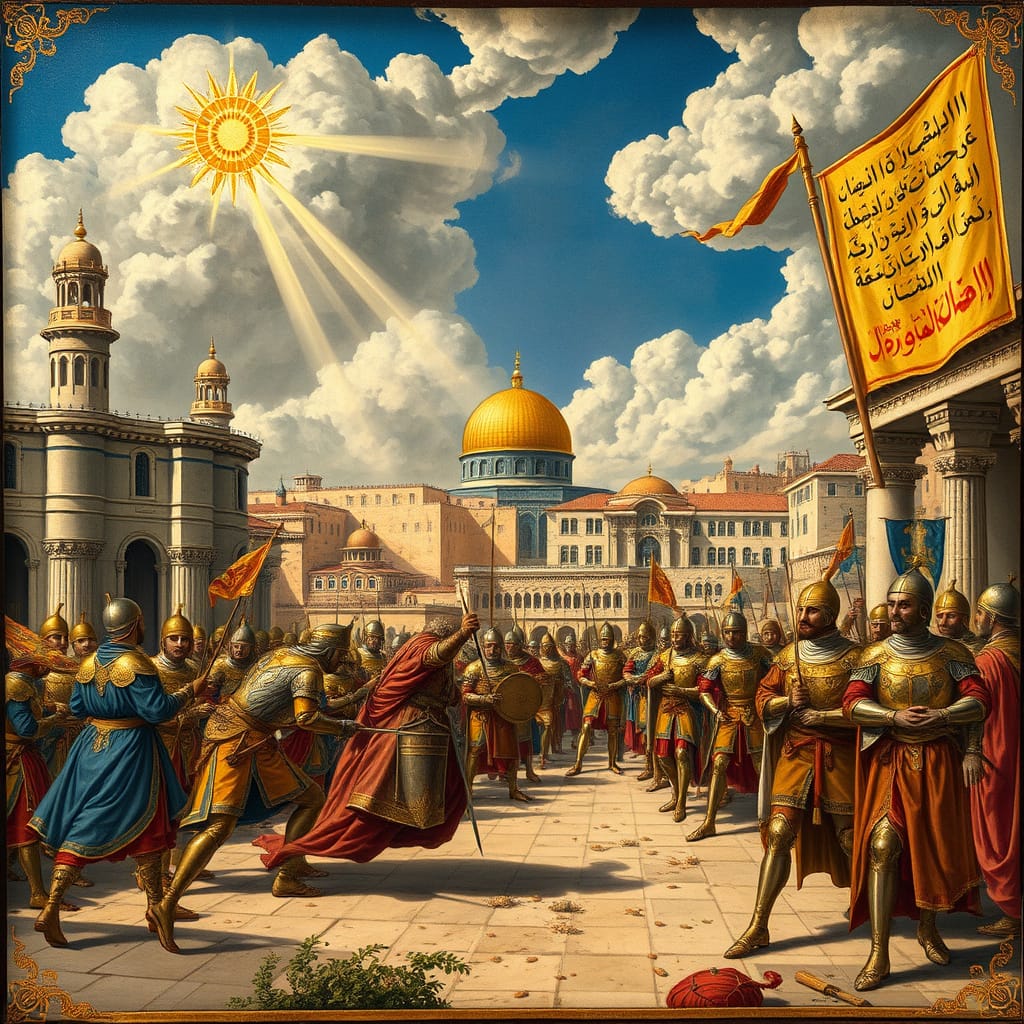
The Stations of the Cross originate from Christian pilgrimages to Jerusalem, where pilgrims retraced the path of Christ’s suffering along the Via Dolorosa. After the city’s conquest by Saladin in 1187, the Franciscan Order returned to the Holy Land and became instrumental in fostering devotion to these sacred sites, officially assuming custodianship in 1342.
During the 15th and 16th centuries, Franciscans initiated the reconstruction of this spiritual journey across Europe by establishing outdoor shrines featuring varying numbers of stations.
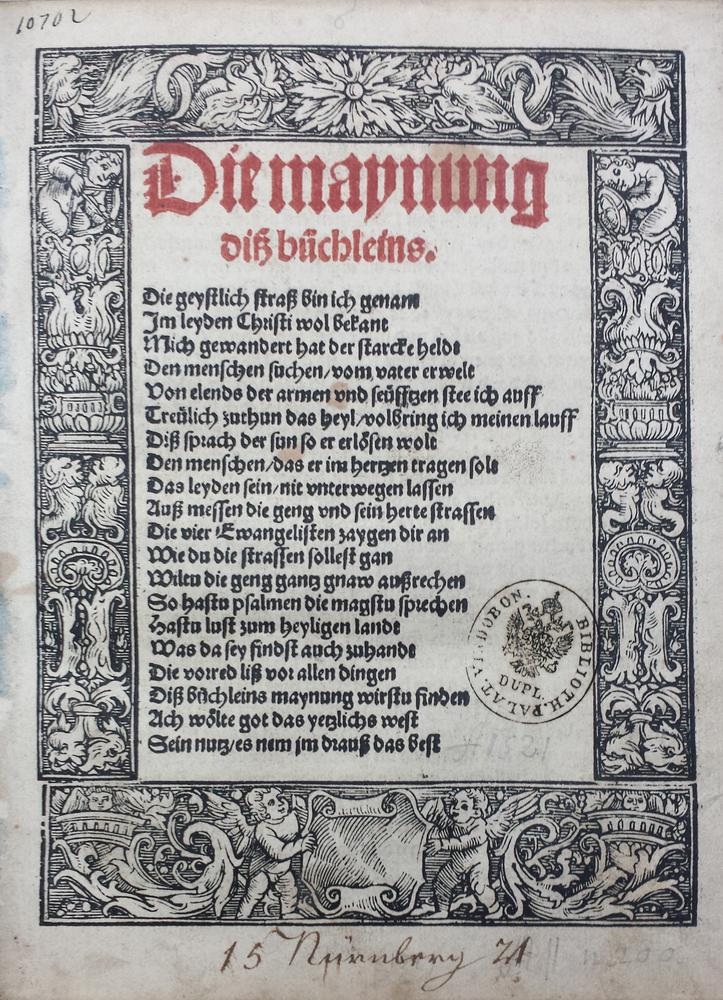
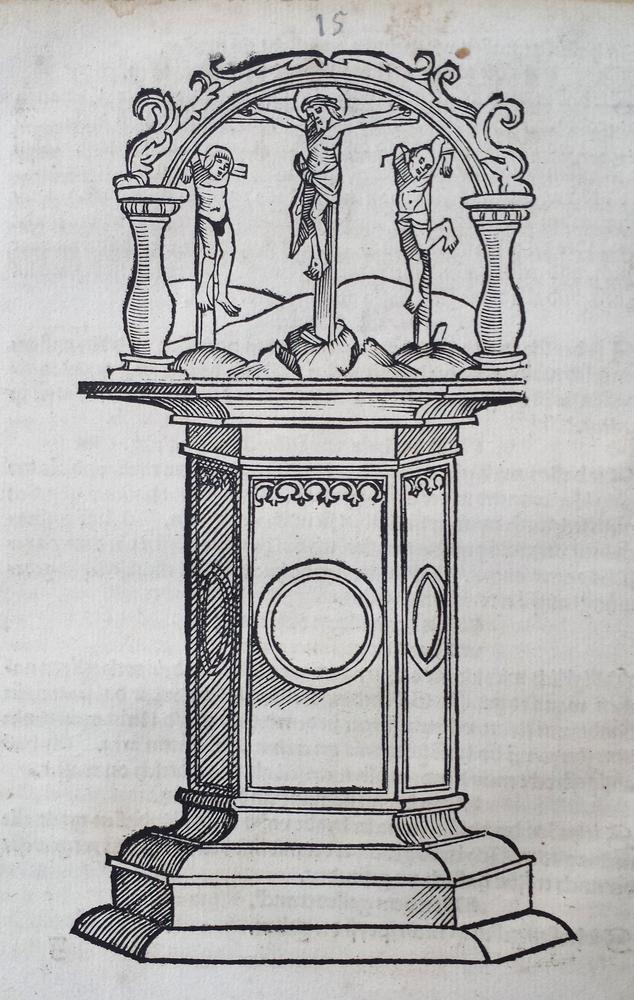
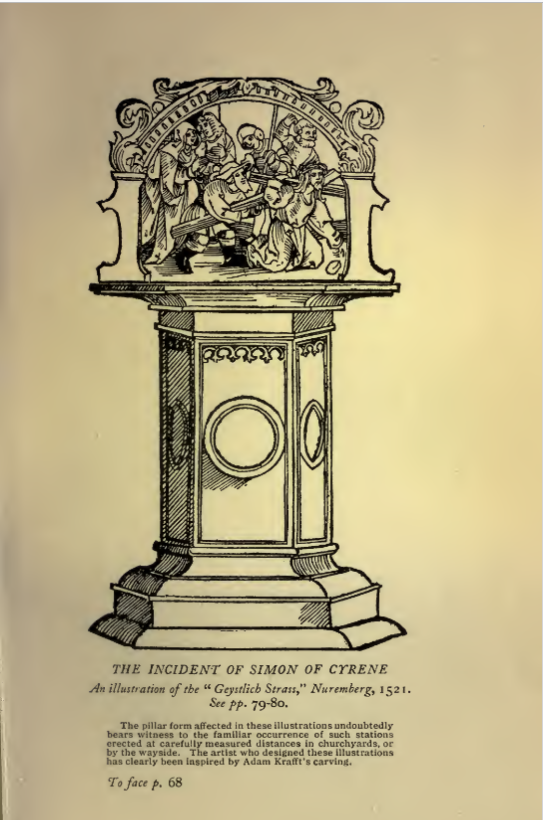
The term “stations” was first recorded in the 15th century, and a publication from 1521, “Geystlich Strass” included illustrations of depictions of what christians who could not go on a pilgramage to Jerusalem could use for prayes and meditations.
There are seventeen illustrations depicted in Geystlich Strass. They do not represent physical shrines, rather, the images were utilised to assist with prayer and meditation on Our Lord Jesus Christ’s journey, guiding pilgrams towards spiritual salvation. Such illustrations, commonly found in other similar publications from the sixteenth century, were especially helpful to those unable to travel to Jerusalem.
The Stations of the Cross
An Account of History and Devotional Significance By Herbert Thurston, SJ
This document serves as a resource on the history of the Passion cycle and the development of The Stations of The Cross, which depict the final days of Our Lord Jesus Christ. It also provides an insightful overview of Geystlich Strass (the German term for “Spiritual Road”).
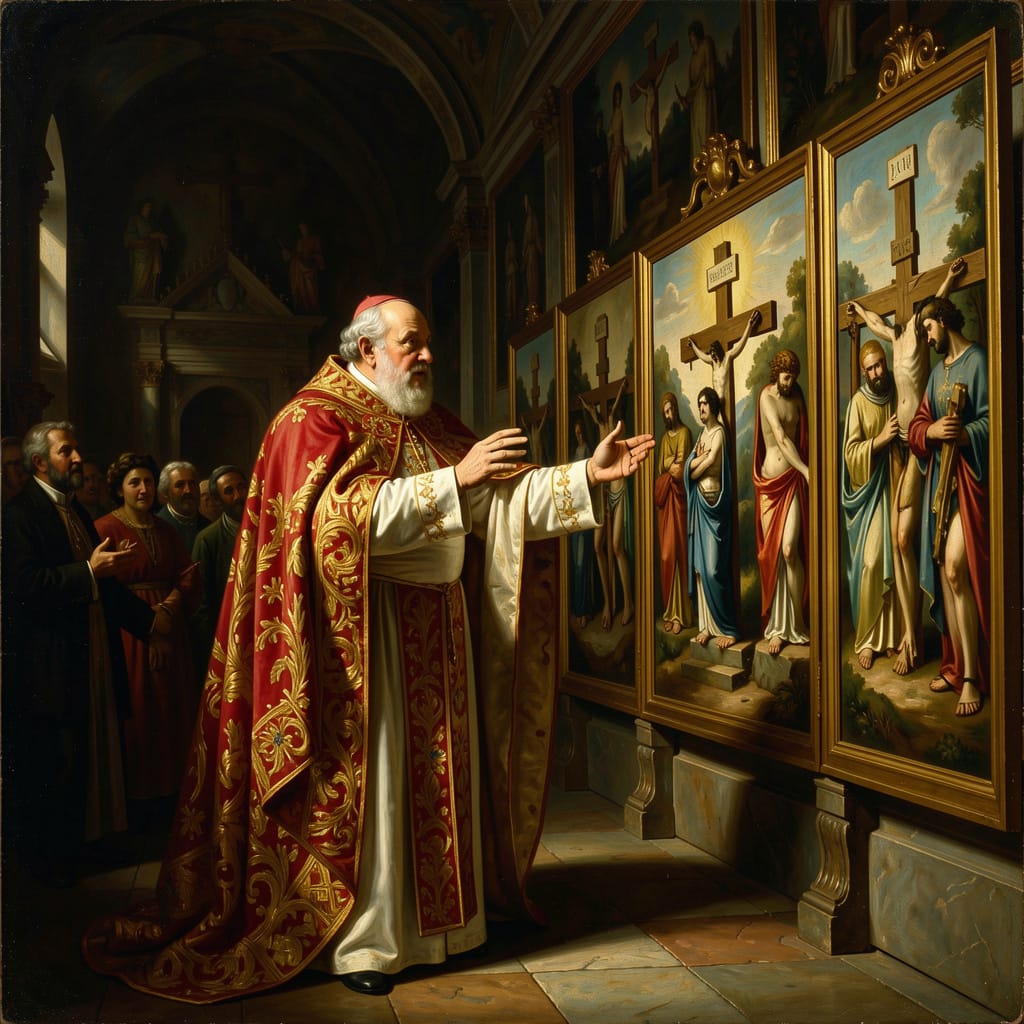
Over time, the the practice of using phyiscal shrines was standardised. In 1731. Pope Clement XII established the number at fourteen and authorised their placement within churches. Subsequently, bishops were granted permission to establish stations independently, leading to widespread adoption of this devotional practice across the Church.
This image can be shared under a Creative Commons Attribution-NonCommercial-ShareAlike 4.0 International (CC BY-NC-SA 4.0) license. Read more about the British Museum and the Creative Commons licence.
Please use the credit:
© The Trustees of the British Museum. Shared under a Creative Commons Attribution-NonCommercial-ShareAlike 4.0 International (CC BY-NC-SA 4.0) licence.
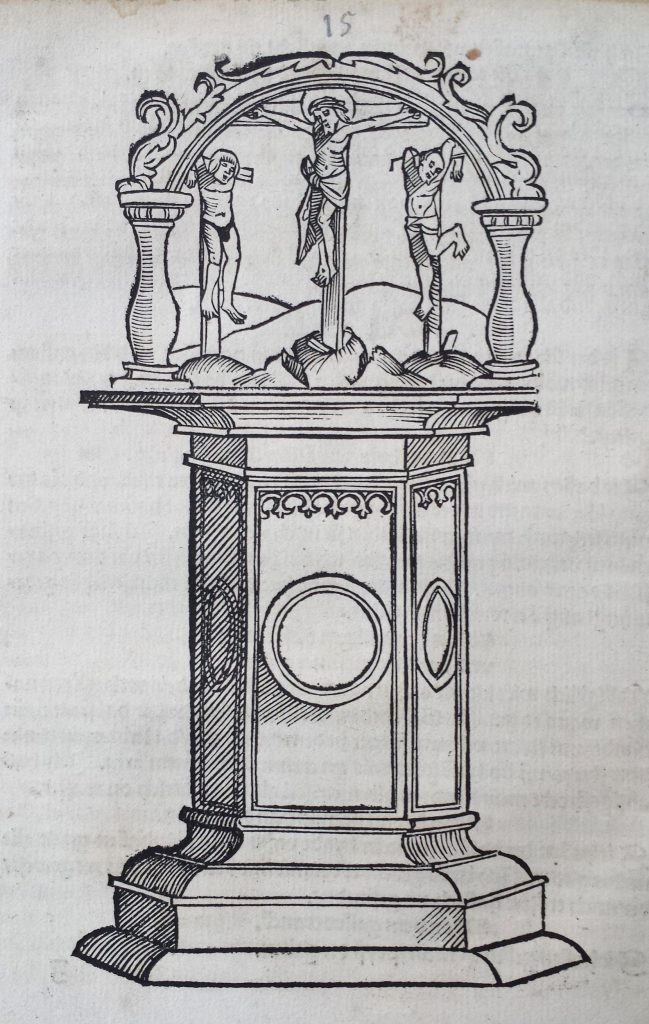
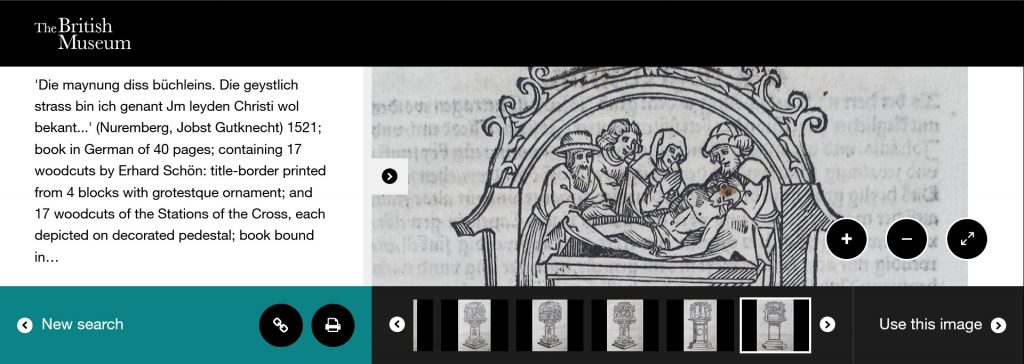
Object Type printillustrated book Museum number1864,0903.149-166 (Nuremberg, Jobst Gutknecht) 1521; book in German of 40 pages; containing 17 woodcuts by Erhard Schön: title-border printed from 4 blocks with grotestque ornament; and 17 woodcuts of the Stations of the Cross, each depicted on decorated pedestal; book bound in hardcover. 1521y: Erhard SchönPublished by: Jobst GutknechtSchool/styleGermanProduction date1521Production placePublished in: Nuremberg