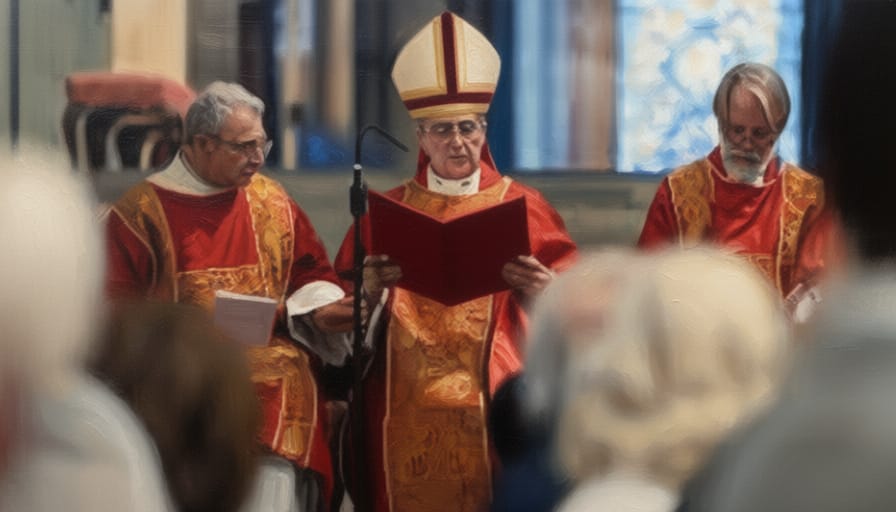
On July 7, 2025, Archbishop Miguel Maury Buendía, the Papal Nuncio to Great Britain, in a historic first for modern times, officiated a Catholic Mass at Canterbury Cathedral in observance of the Feast of the Translation of St. Thomas Becket. This event represented a notable instance of ongoing ecumenical dialogue between the Catholic Church and the Anglican Communion, fostering a spirit of unity and mutual respect within the Christian community. The service was attended by a large congregation, underscoring shared hope and commitment to Christian cooperation.
Click below to watch the UK Papal Nuncio, Archbishop Miguel Maury Buendía Celebrate the Historic Catholic Mass of The Feast of the translation of the relics of St Thomas à Beckett In Canterbury Cathedral that took place
Catholic Mass of The Feast of the translation of the relics of St Thomas à Beckett In Canterbury Cathedral
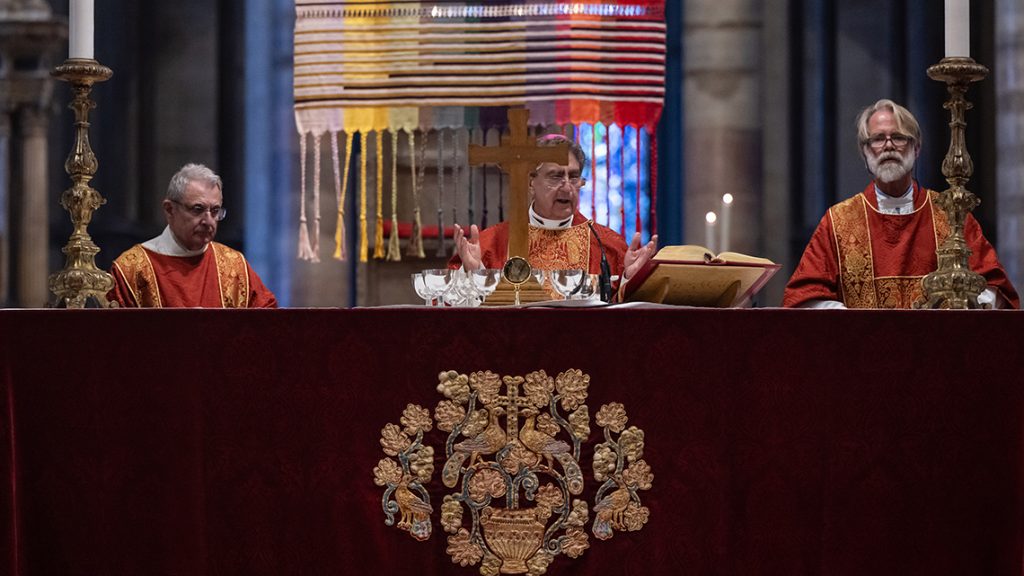
The Apostolic Delegate, Archbishop Miguel Maury Buendía, who serves as the Holy See’s representative to Great Britain, presided over a solemn Catholic liturgical event at Canterbury Cathedral to mark the anniversary of The Feast of the translation of the relics of St Thomas à Beckett
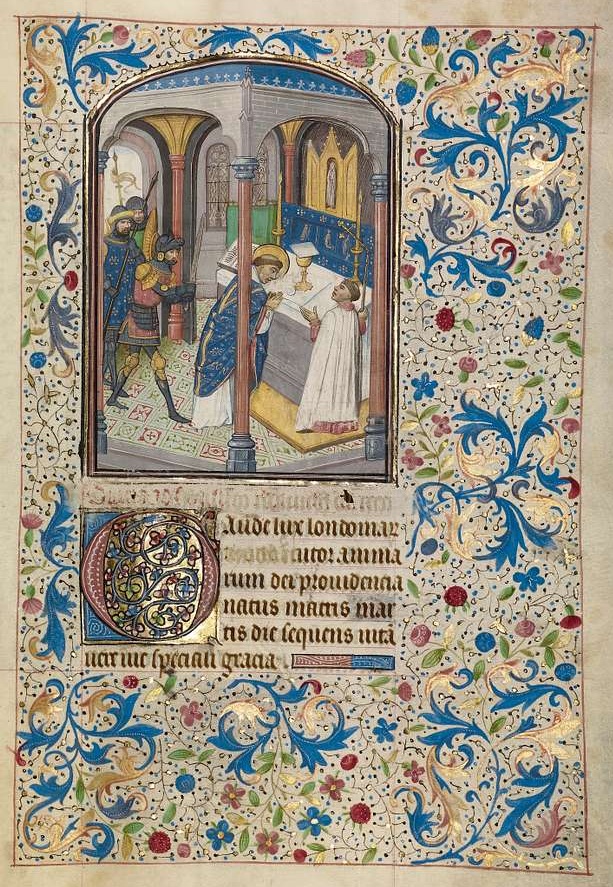
St. Thomas Becket served as Archbishop of Canterbury from 1162 until his martyrdom in 1170. His death resulted from a confrontation with King Henry II over ecclesiastical rights and privileges. Recognised as a saint and martyr within both the Church of England and the Catholic Church, he was canonized shortly after his passing by Pope Alexander III in 1173.
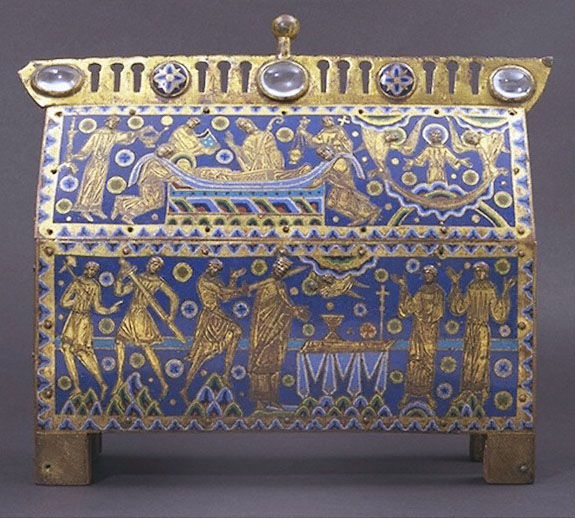
In the year 1220, the remains of Saint Thomas Becket were transferred from their initial burial site within the cathedral’s crypt to the shrine situated behind the high altar. These relics remained there until 1538, when King Henry VIII issued an edict for the destruction of the crypt. Each year on July 7th, the Dean and Chapter of Canterbury Cathedral grant permission to the Catholic Parish of St. Thomas of Canterbury to conduct a Mass in honor of Saint Thomas Becket.
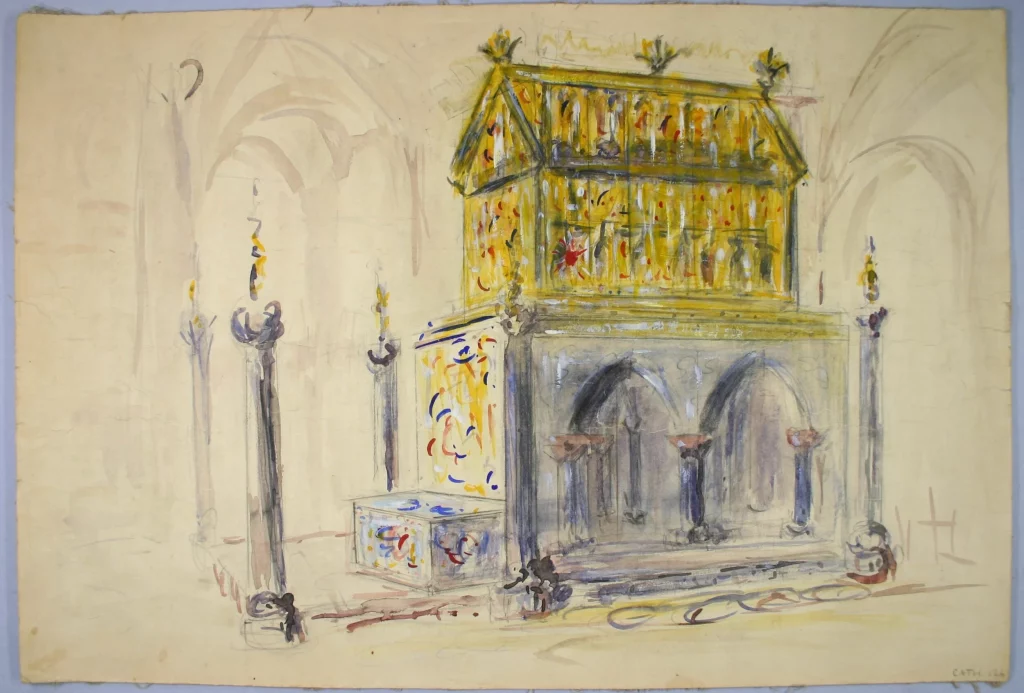
The revered shrine housing his remains in Canterbury Cathedral—traditionally a significant site for pilgrims alongside locations such as Rocamadour, Assisi, and Santiago de Compostela—was dismantled, with its valuable gold and jewels removed. The treasures were transported in two large chests, each requiring six individuals for proper handling. According to historical accounts, King Henry received a prominent ruby, a gift from King Louis VII of France at the shrine in 1179, which he fashioned into a thumb ring that he publicly wore.
While numerous Catholic Masses have been conducted within this historic Anglican cathedral, this occasion marked a notable milestone: the first time a papal nuncio celebrated Mass on this sacred site. The event is further distinguished by the historical association of a papal legate being present during the original translation of the saint’s relics.
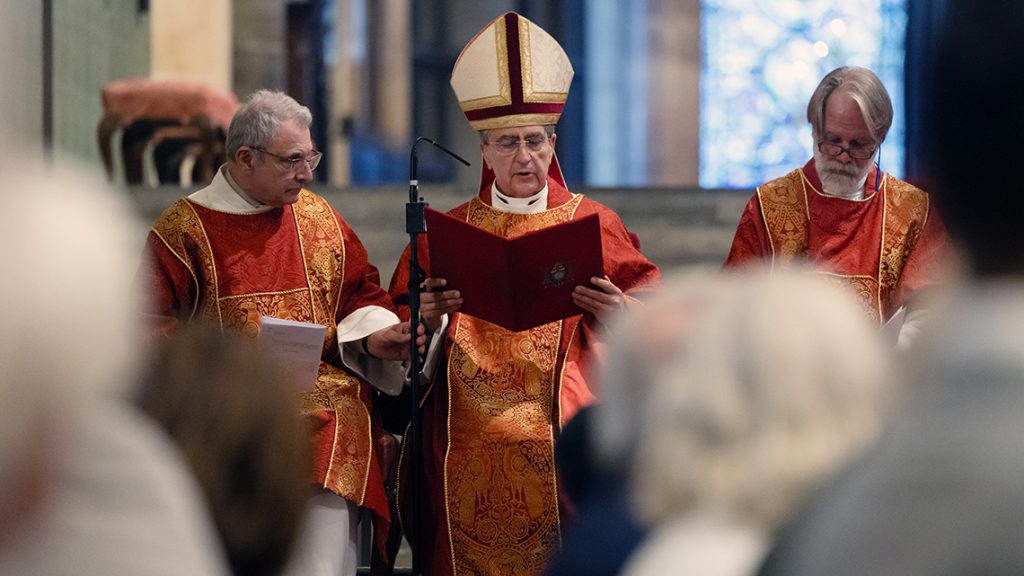
During his homily on the feast of the translation, Archbishop Miguel Maury Buendía remarked:
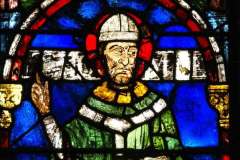
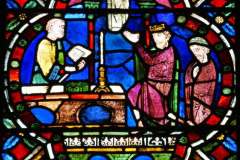
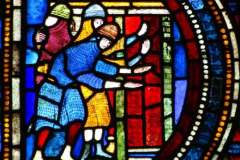
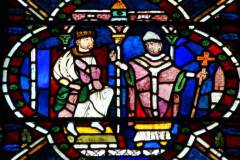
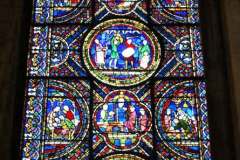
“This Mass, conducted during the Jubilee Year, highlights the Christian journey as one rooted in faith and hope. It serves as a reminder that, as we navigate life’s challenges and blessings, our hope remains firmly grounded in Christ. Today, as members of the faithful, we honor a significant historical figure whose life and martyrdom continue to inspire us. The stained glass windows surrounding us depict miracles attributed to St. Thomas during the medieval era, exemplifying that this is a living tradition. In our modern world which also encounters its own difficulties, we are called to be ‘Pilgrims of Hope,’ inspired by St. Thomas’ steadfast witness to Christ and His Church.
This Mass, conducted during the Jubilee Year, highlights the Christian journey as one rooted in faith and hope. It serves as a reminder that, as we navigate life’s challenges and blessings, our hope remains firmly grounded in Christ. Today, as members of the faithful, we honour a significant historical figure whose life and martyrdom continue to inspire us. The stained glass windows surrounding us depict miracles attributed to St. Thomas during the medieval era, exemplifying that this is a living tradition. In our modern world which also encounters its own difficulties, we are called to be ‘Pilgrims of Hope,’ inspired by St. Thomas’ steadfast witness to Christ and His Church.
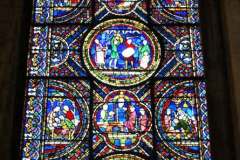
The stained glass windows surrounding us depict miracles attributed to St. Thomas during the medieval era, exemplifying that this is a living tradition. In our modern world, which also encounters its own difficulties, we are called to be ‘Pilgrims of Hope,’ inspired by St. Thomas’ steadfast witness to Christ and His Church.