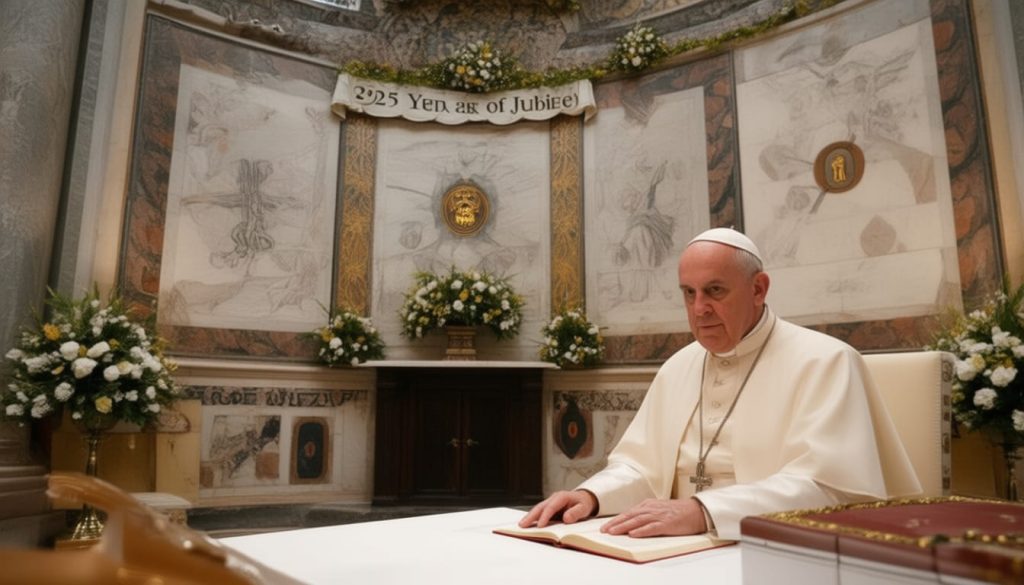
At a ceremony in St Peter’s Basilica on Ascension Thursday, May 9, 2024, Pope Francis solemnly and officially designated the year 2025 as a Year of Jubilee through the issuance of a papal bull entitled “Spes Non Confudit,”
which translates to “Hope Does Not Disappoint.” The Jubilee Year commenced with the ceremonial opening of the Holy Door at St. Peter’s Basilica on Christmas Eve 2024.
HOMILY OF HIS HOLINESS POPE FRANCIS
PAPAL CHAPEL St. Peter’s Basilica, Thursday, 9 May 2024
PAPAL CHAPEL St. Peter’s Basilica Thursday, 9 May 2024
“Hope is also the central message of the coming Jubilee that, in accordance with an ancient tradition, the Pope proclaims every twenty-five years. My thoughts turn to all those ‘pilgrims of hope’ who will travel to Rome in order to experience the Holy Year and to all those others who, though unable to visit the City of the Apostles Peter and Paul, will celebrate it in their local Churches.”
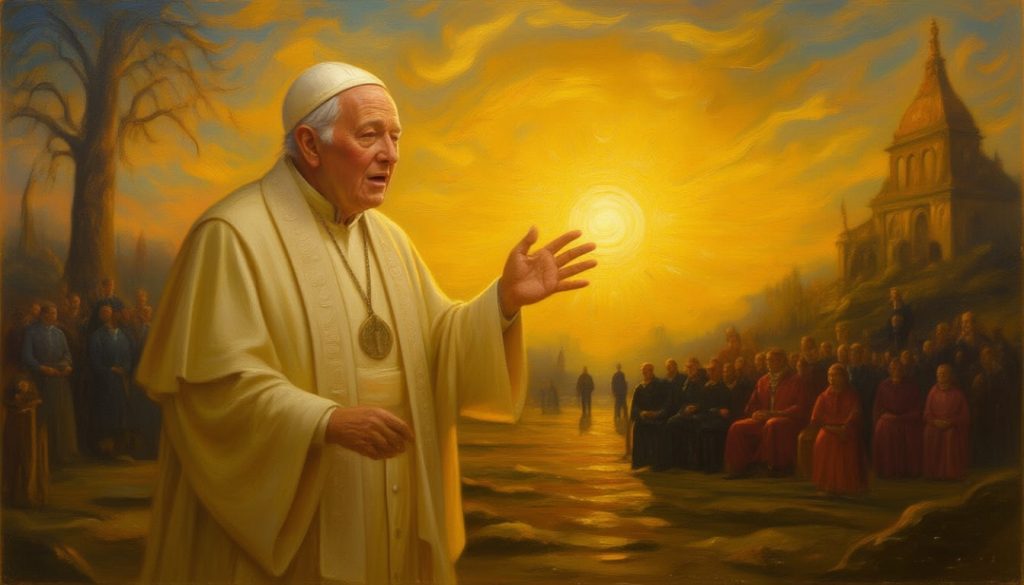
“For all of us, may the Jubilee be an opportunity to be renewed in hope. God’s word helps us find reasons for that hope. Taking it as our guide, let us return to the message that the Apostle Paul wished to communicate to the Christians of Rome,”
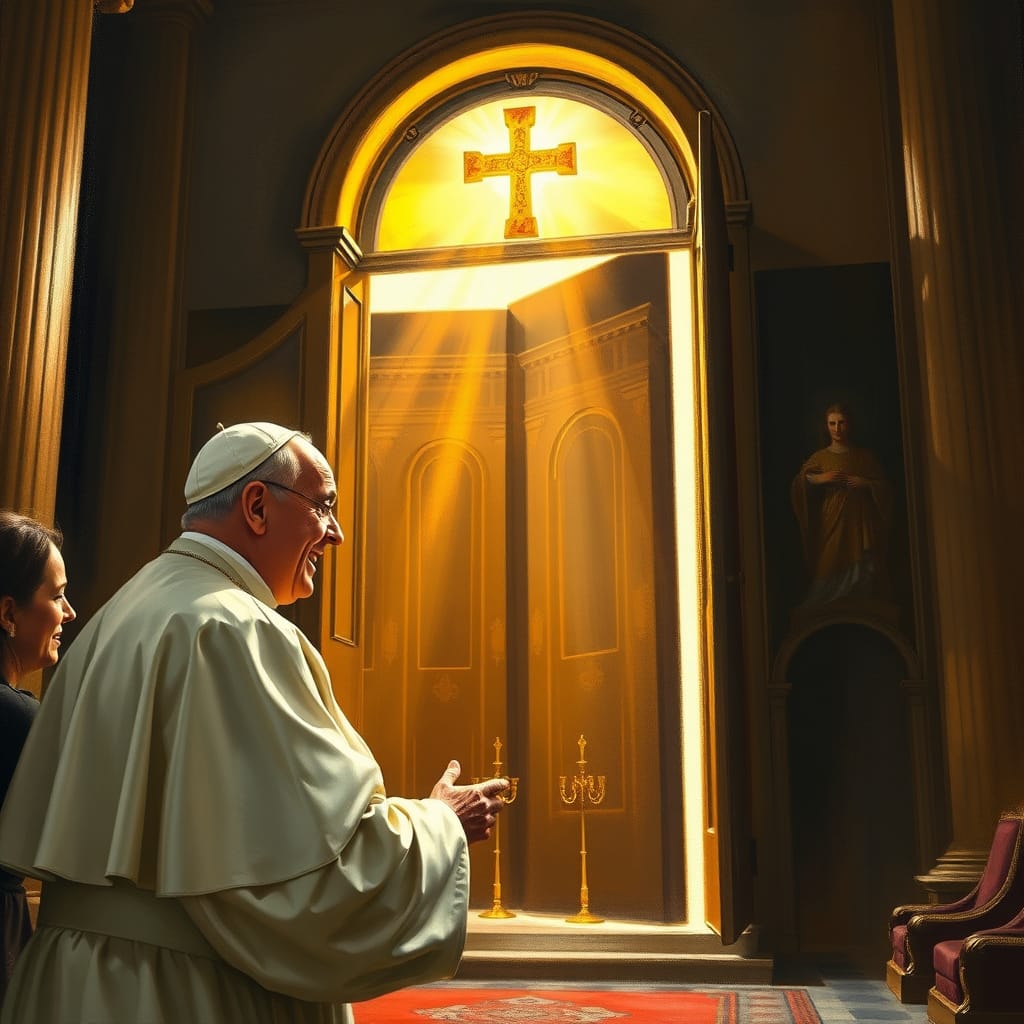
On December 24, 2024, Pope Francis inaugurated the Jubilee 2025 (Holy Year of Hope) by officiating the opening of the Holy Door at St. Peter’s Basilica during the Christmas Eve Mass. This significant event symbolizes a year dedicated to pilgrimage, grace, and fostering a spirit of hope, with an inaugural ceremony held at a correctional facility to demonstrate inclusivity and compassion. The occasion represents a major milestone within the Catholic community, anticipating substantial attendance in Rome and emphasizing themes of renewal and mercy will continue through to the Feast of the Epiphany in 2026.

A Catholic Jubilee Year, also known as a Holy Year, is a significant period dedicated to grace, forgiveness, and reconciliation. Celebrated approximately every 25 years, such as in 2025, this occasion encourages the faithful to renew their commitment to their faith, deepen their relationship with God, and embody acts of mercy and charity. It is traditionally marked by special pilgrimages, charitable initiatives, and the ceremonial opening of the Holy Doors in Rome.
Key Elements of the Logo and Theme:
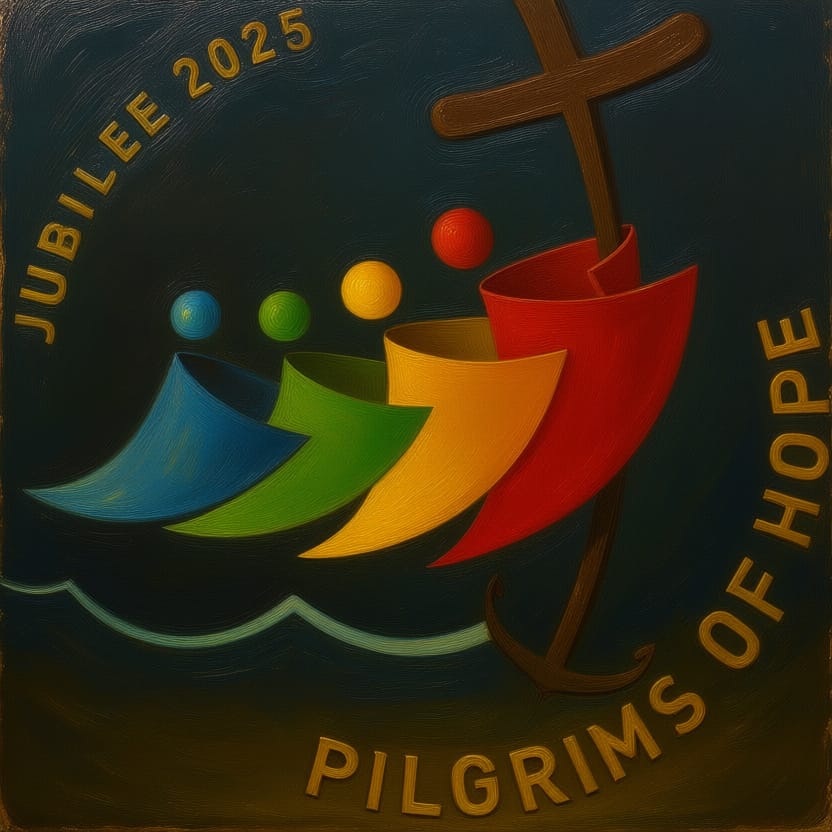
Motto: “Peregrinantes in Spem” (Pilgrims in Hope), emphasizing the ongoing pursuit of a future imbued with renewed optimism.
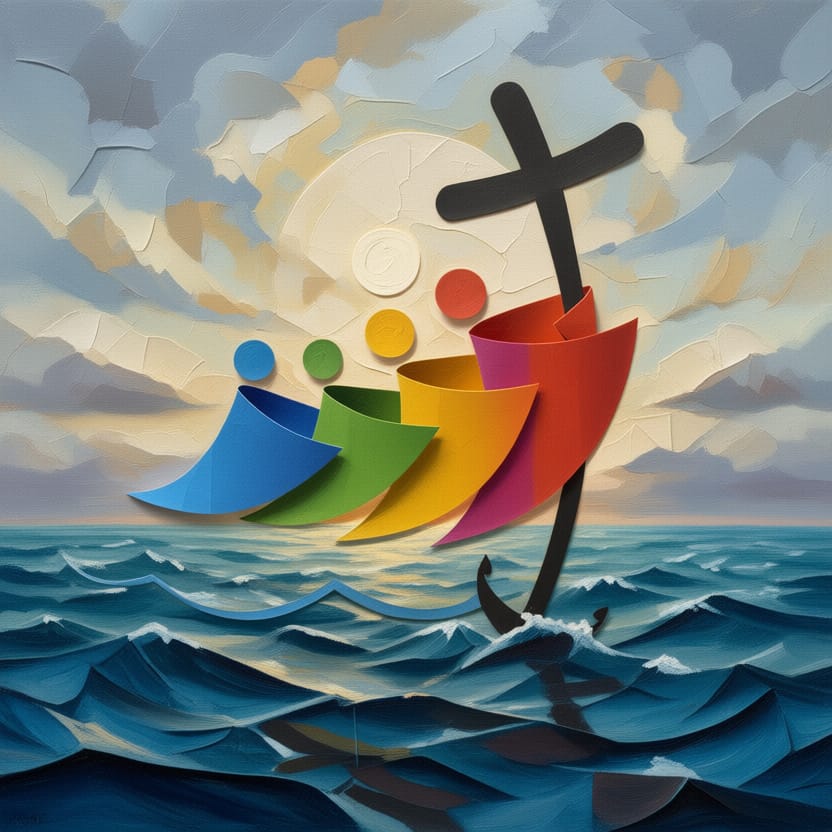
Four Figures: Symbolizing humanity from all corners of the globe, unified in fellowship and solidarity.
The Cross/Shaped Sail: Representing guidance for pilgrims, embodying faith and the assurance of divine victory.
The Anchor: Forming the base of the cross, serving as a traditional emblem of hope and stability amidst challenges.
Waves: Depicting the turbulent waters encountered in life’s journey, illustrating the trials and uncertainties faced by pilgrims, who proceed with hope and resilience.
Logo Colours & Meanings
Blue: Faith, peace, spirituality, contemplation
Red: Christ’s love, sacrifice, the Holy Spirit’s fire.
Orange: Joy, vitality, the light guiding faith.
Green: Hope, growth, and new life.
Pope Francis announced that the Catholic Church will observe a Jubilee Year in 2025, with the theme “Pilgrims of Hope.” In preparation for this significant occasion, Pope Francis encouraged members of the Catholic community to thoughtfully engage with the documents of the Second Vatican Council, with a particular emphasis on the importance of prayer.
The Catholic Bishops of England and Wales, in accordance with the broader Catholic tradition, adhere to the four principal documents established during the Second Vatican Council (Vatican II) known as The Four Constitutions: Sacrosanctum Concilium (concerning liturgical practices), Lumen Gentium (addressing the nature and mission of the Church), Dei Verbum (focusing on divine revelation), and Gaudium et Spes (relating to the Church’s role in the modern world). .
These landmark texts have significantly influenced contemporary Catholic life by providing guidance on worship, the identity of the Church, the interpretation of Scripture, and the Church’s engagement with societal issues, forming a foundational framework for its ongoing mission and activities
The Catholic Bishops of England and Wales have created resources that have been developed to assist individual Catholics and parishes in engaging with the four principal documents of the Second Vatican Council. Emphasis is placed on their practical application within pastoral ministry. Recognising that awareness of these documents may vary among members of the Church since their promulgation in the late 1960s, this resource aims to illuminate the valuable insights they contain for both the Church community and the lived experience of faith.
It also provides guidance on how to utilise the materials effectively, and includes video presentations by subject matter experts to be viewed alongside the provided content.