Church of Saint Anselm and penitential procession to Basilica of Saint Sabina
A penitential procession to Basilica of Saint Sabina Holy Mass with blessing and imposition of the ashes
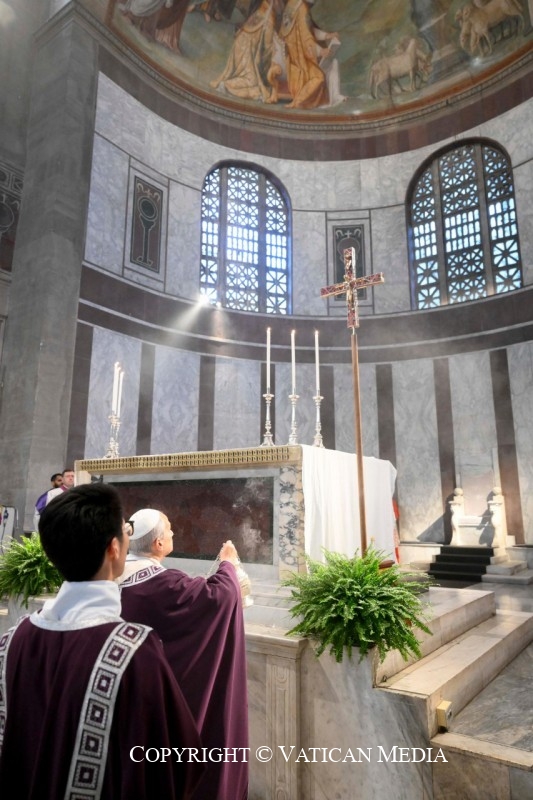
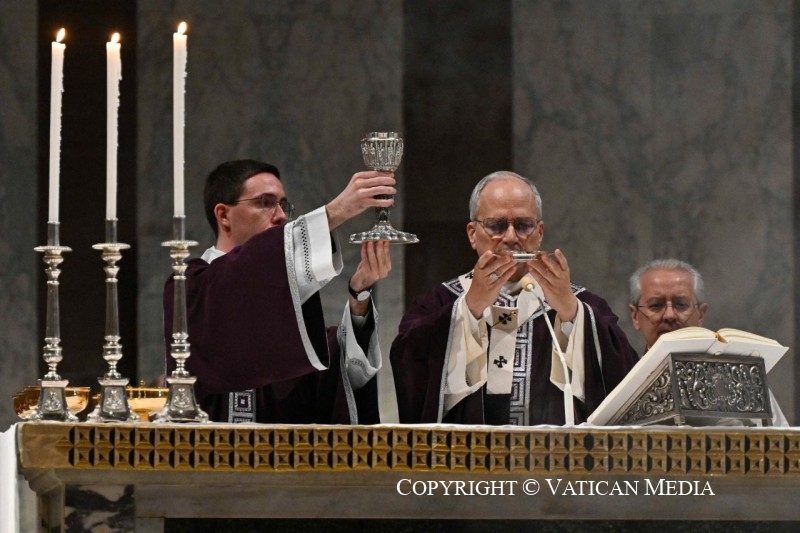
On Ash Wednesday, 18th February 2026, the Holy Father, Pope Leo XIV presided over a longstanding penitential procession in Rome, commencing at the Church of St. Anselm and proceeding to the Basilica of Santa Sabina on the Aventine Hill, to mark the beginning of the Lenten season.
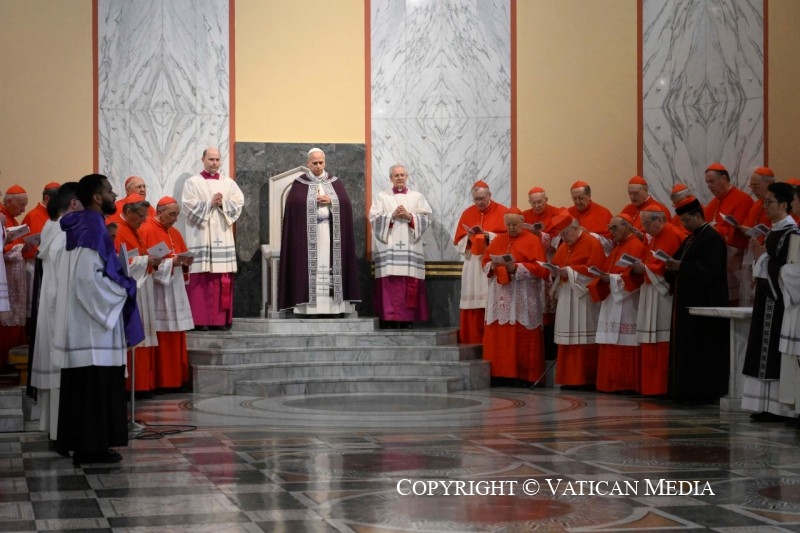
The station liturgy was attended by cardinals, bishops, Benedictine monks, and Dominican friars, and comprised a procession, followed by a Mass, the blessing of ashes, and the provision of ashes to participants.
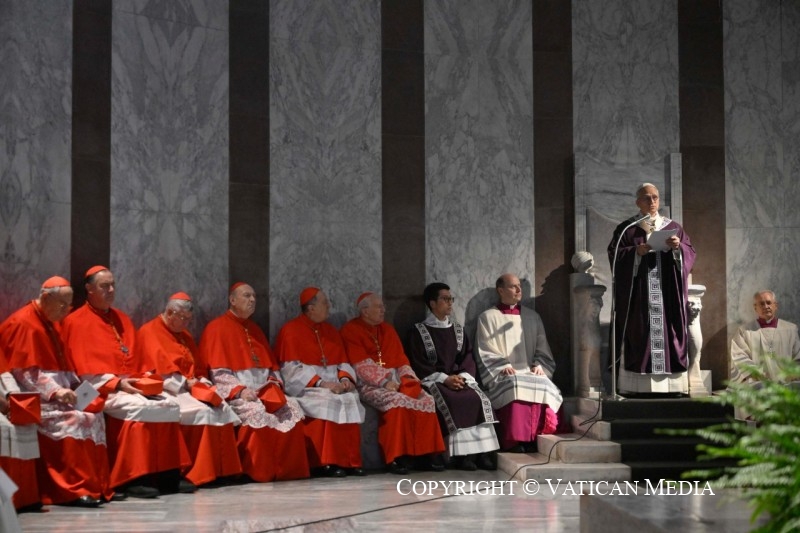
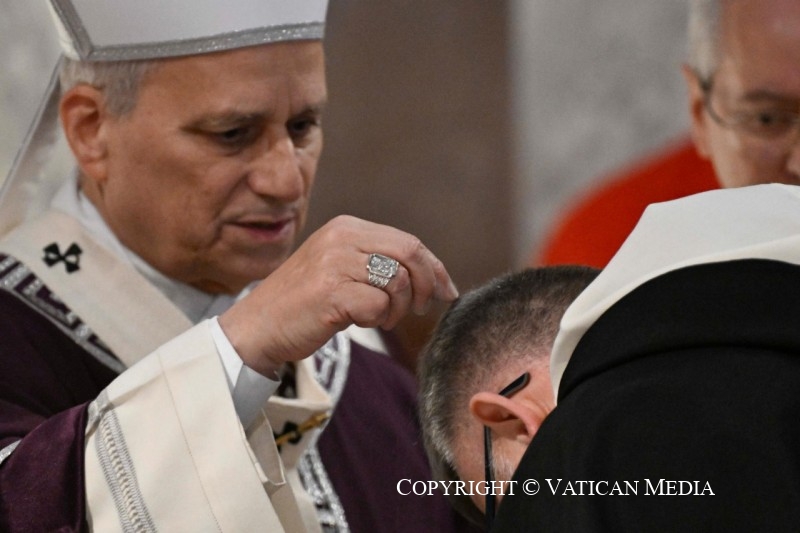
Video of Ash Wednesday – Holy Mass February 18 2026
Full Video of the Penitential Procession to Basilica of Saint Sabina
Video of Ash Wednesday – Holy Mass February 18 2026 With English Commentary.
Full Video of the Penitential Procession with English Commentary
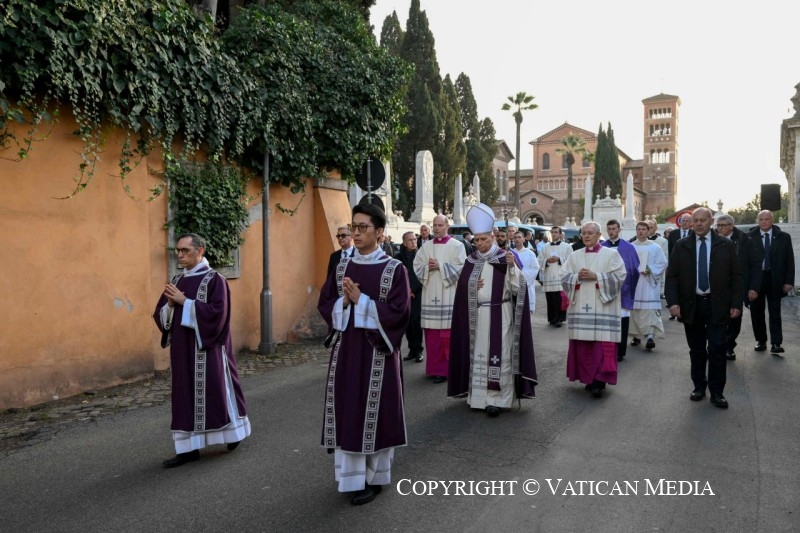
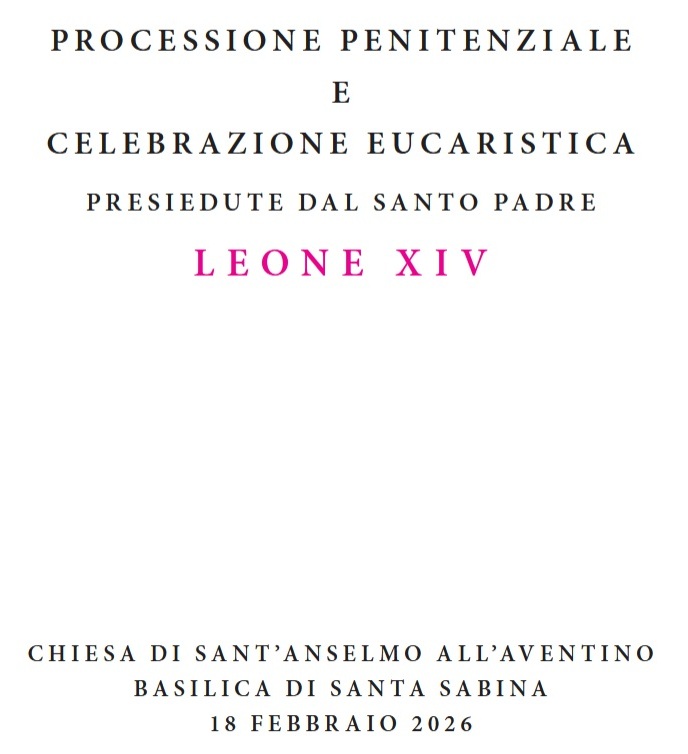
Booklet of The Procession on 18th February 2026
Booklet of The Procession and mass on 18th February 2026, Church of Saint Anselm and penitential procession to Basilica of Saint Sabina.
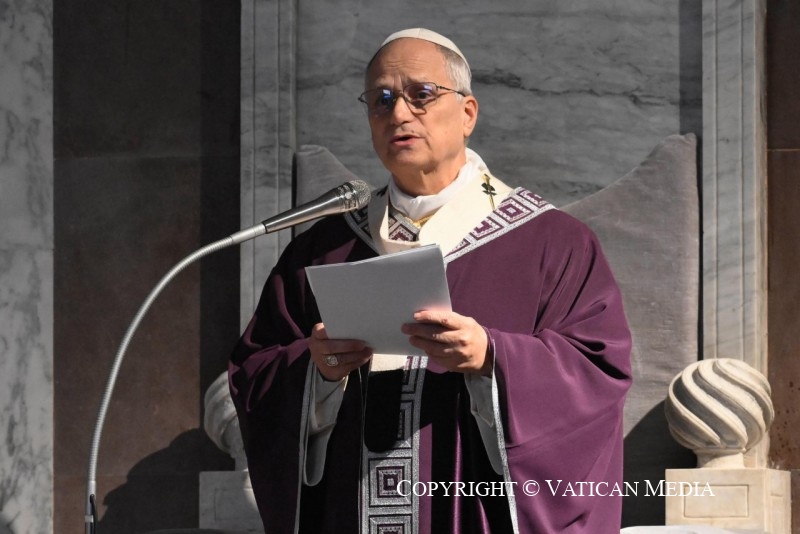
Pope Leo XIV Homily Ash Wednesday February 18th 2026
Pope Leo XIV Homily Ash Wednesday February 18th 2026
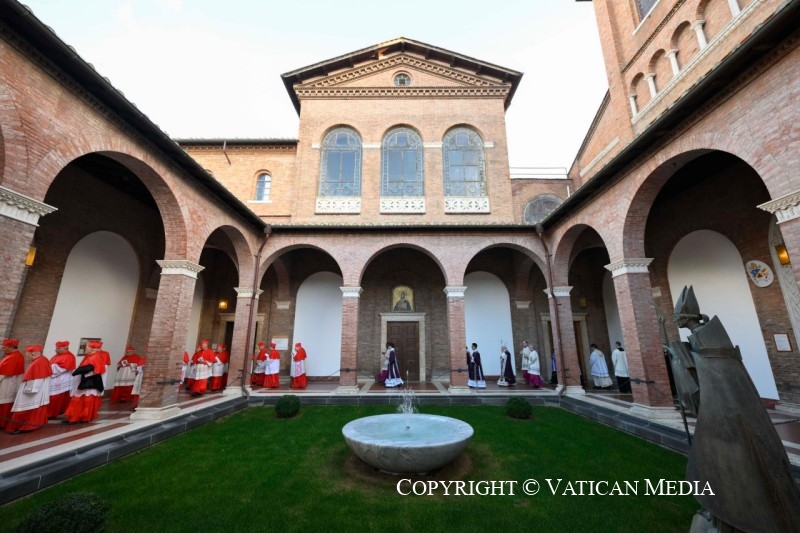
Photographs of Penitential Procession
Photographs of Church of Saint Anselm Statio and penitential procession Basilica of Saint Sabina
On 18 February 2026, Pope Leo XIV marked his inaugural Ash Wednesday as Supreme Pontiff by leading the customary penitential procession from Sant’Anselmo to the Basilica of Santa Sabina on Rome’s Aventine Hill. In his homily, he reflected on a world characterised by ongoing conflict and environmental degradation, interpreting the ashes as symbolising the ‘burden of a world in turmoil’ and representing the ‘remnants of international law and justice’.
Dearbrothersandsisters,
At the beginning of each liturgical season, we joyfully rediscover the grace of being Church, namely a community gathered to listen to the word of God. The voice of the Prophet Joel speaks to us, bringing each of us out of our isolation and showing us the urgent need for conversion, which is always both personal and public: “Gather the people. Sanctify the congregation; assemble the aged; gather the children, even infants at the breast”
The prophet goes on to refer to husband and wife: he seems to call them from the privacy of their marital life, so that they will feel part of a larger community. Then he turns to priests, who already find themselves —almost by duty — “between the vestibule and the altar” (v. 17). They are invited to weep and to express these fitting words on behalf of all: “Spare your people, O Lord!”
Moreover, we must accept that while this attitude is countercultural, it constitutes an authentic, honest and attractive option, especially in our times, when it is so easy to feel powerless in the face of a world that
is in flames.