The Bishops of the Universal Church
One Faith, Many Traditions — The Continuity of Apostolic Succession
Pope Leo XIV · St Peter’s Basilica · 5 November 2026
Shepherds of the Universal Church
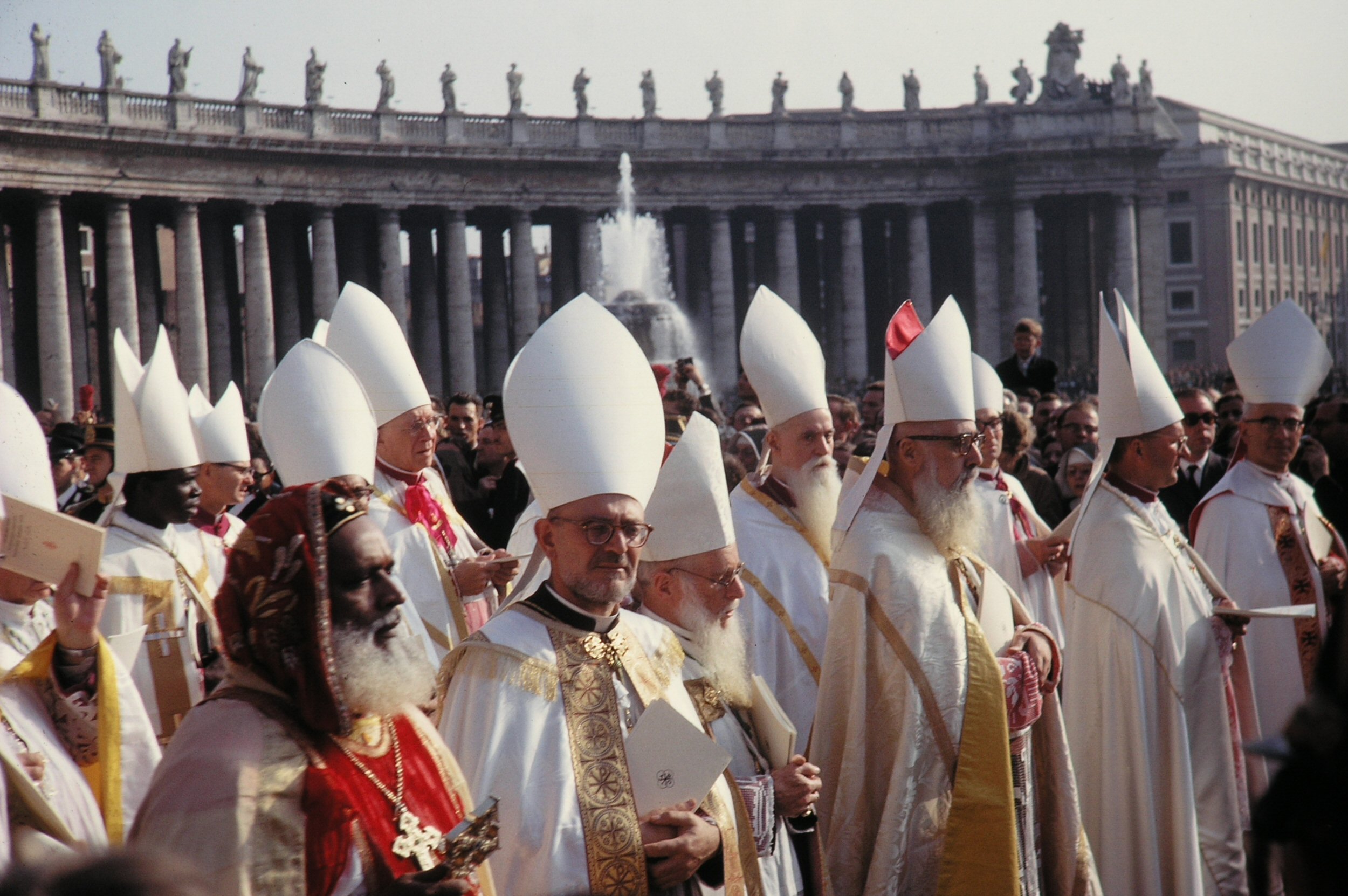
On 5 November 2026, Pope Leo XIV celebrated Holy Mass in St Peter’s Basilica for the repose of the souls of the cardinals and bishops who had died during the preceding year. Alongside the seven cardinals were 136 bishops and archbishops whose ministries reflected the remarkable diversity of the Catholic Church.
The official register brings together shepherds from the Americas, Europe, Africa and Asia, as well as those who served the Holy See. Among them were members of religious orders and missionary congregations, and bishops belonging to the Latin Church and six Eastern Catholic Churches. Their different languages, cultures and liturgical traditions bear witness to a common faith.
Behind these names lies a story reaching back to the earliest days of Christianity: the continuation of the mission entrusted by Jesus Christ to his Apostles.
From the Apostles to the Early Church Fathers
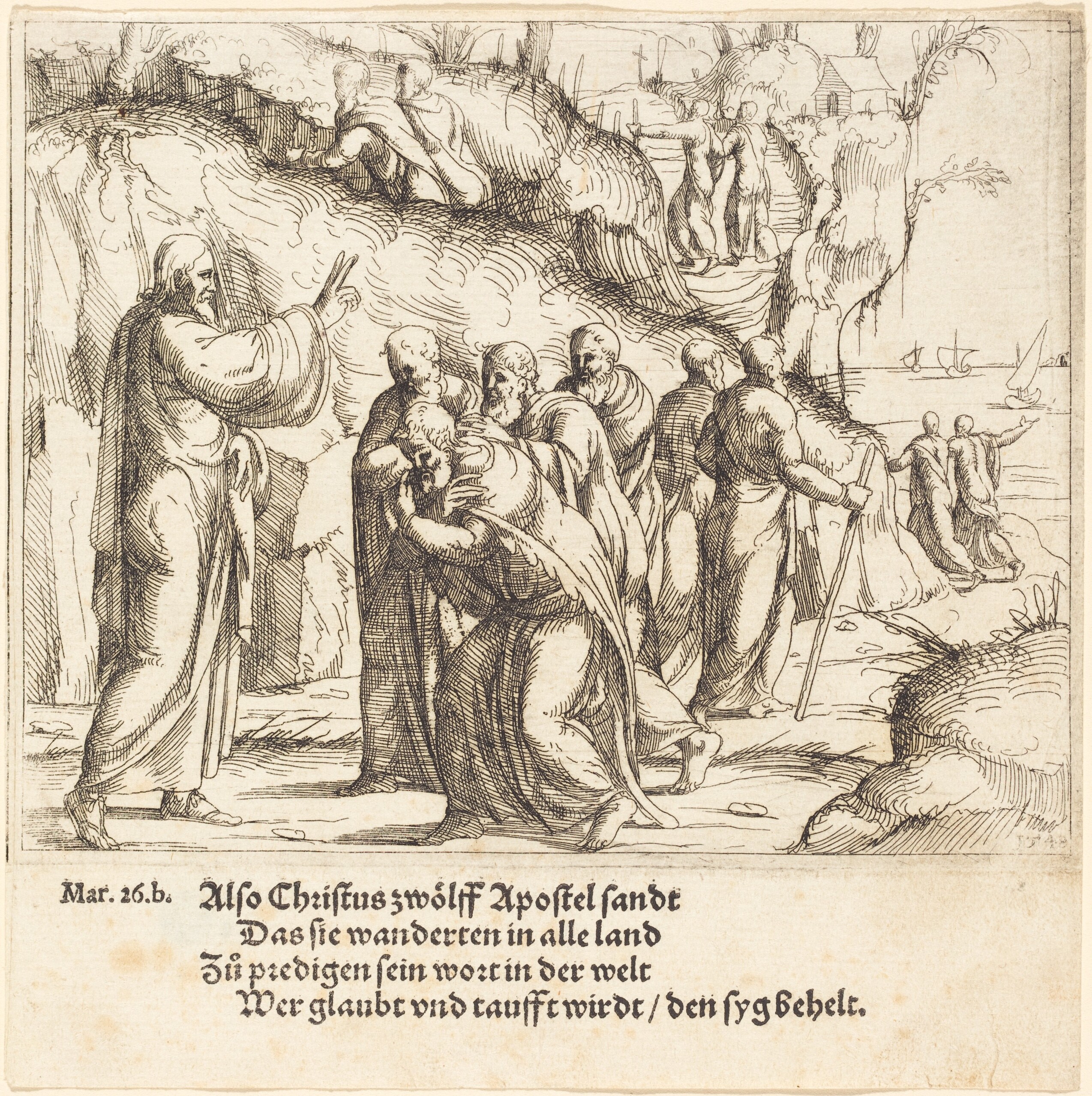
Christ commissioned his disciples to proclaim the Gospel to all nations. In the Acts of the Apostles, the appointment of Matthias to take the place of Judas offers an early witness to the continuation of apostolic office. At Pentecost, the gift of the Holy Spirit strengthened the disciples for their mission.
Towards the end of the first century, Saint Clement of Rome explained in his letter to the Corinthians that the Apostles had made provision for their appointed ministers to be succeeded by others after their deaths.
Other approved men should succeed them in their ministry.Saint Clement of Rome, First Epistle to the Corinthians, chapter 44
In the early second century, Saint Ignatius of Antioch described the bishop’s role in maintaining the unity of the Christian community, particularly in the celebration of the Eucharist. His words express the central place of Christ in that communion:
Wherever Jesus Christ is, there is the Catholic Church.Saint Ignatius of Antioch, Epistle to the Smyrnaeans, chapter 8
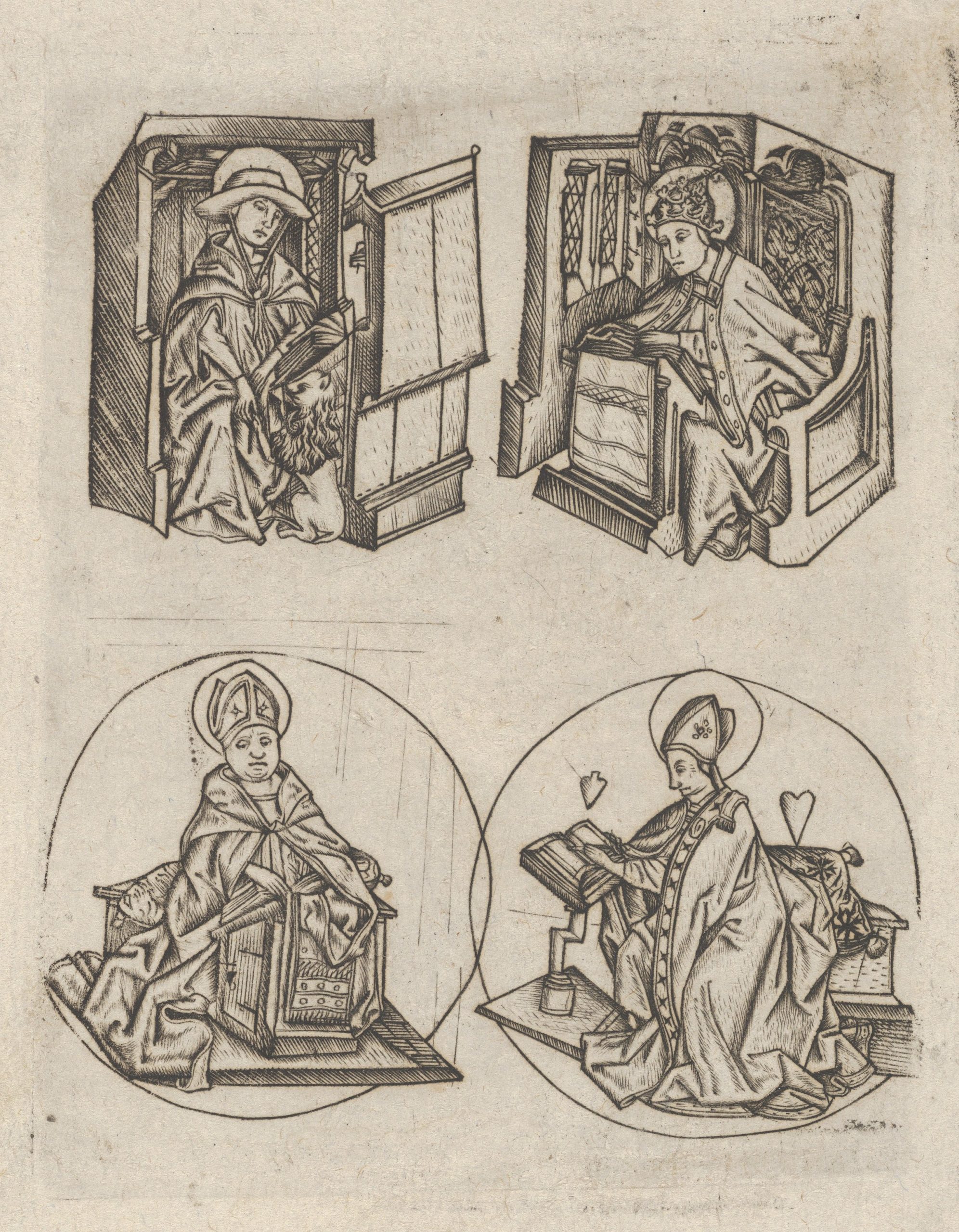
Later that century, Saint Irenaeus of Lyons recorded the succession of the early bishops of Rome, naming Linus, Anacletus and Clement. For Irenaeus, the succession of bishops was closely connected with the preservation of the teaching handed down by the Apostles.
In the fourth century, Eusebius of Caesarea preserved accounts of episcopal succession in Rome, Alexandria, Antioch and Jerusalem in his Ecclesiastical History. Together, these early Christian witnesses illuminate how the Church understood the continuity of its ministry and faith.
Apostolic Succession and the Church Today
The Second Vatican Council reaffirmed this ancient understanding in its Dogmatic Constitution Lumen Gentium. Through episcopal consecration, bishops receive the fullness of the sacrament of Holy Orders, with the responsibility of teaching, sanctifying and governing the people of God.
Apostolic succession is therefore more than a historical sequence of appointments. It is the sacramental continuation of apostolic ministry and the transmission of the faith through successive generations, sustained by the Holy Spirit.
The departed bishops commemorated in Rome belonged to this living tradition. Whether serving ancient Eastern Christian communities, missionary dioceses or established local Churches, they shared the responsibility of proclaiming the Gospel and shepherding the faithful in communion with the universal Church.
A Shepherd of the Church in England

Among those commemorated was Bishop Thomas McMahon, Bishop Emeritus of Brentwood, who died on 24 November 2025 at the age of eighty-nine. Ordained a priest in 1959, he received episcopal consecration from Cardinal Basil Hume in 1980 and served as diocesan bishop until 2014.
His ministry embraced pastoral care, sacred music, ecumenical dialogue and international solidarity. One of its most visible legacies is Brentwood Cathedral, dedicated in 1991.
His Requiem Mass was celebrated at the cathedral on 16 December 2025. His subsequent remembrance at St Peter’s Basilica connects the prayers of a local Church in England with those of the universal Church, expressing a communion that reaches beyond geographical boundaries.
Prayer, Remembrance and Eternal Hope
The commemoration of these bishops is not simply a celebration of their historical achievements. In offering the Eucharistic sacrifice for their souls, the Church entrusts them to the mercy of God.
Pope Leo XIV’s homily reminds us that Christian remembrance is rooted in the hope of resurrection and the communion of saints, rather than mere nostalgia.
Individual shepherds depart this earthly life, but the apostolic mission continues. Through successive generations, the Church remains called to proclaim the Gospel, celebrate the sacred mysteries and bear witness to the hope of eternal life.
In Prayer and Remembrance
Almighty and eternal God,
remember your departed servants,
the bishops and archbishops who shepherded your people.
Receive them into your mercy
and grant them everlasting peace.
May the Holy Spirit continue to guide
those entrusted with the apostolic mission of your Church.
Through Christ our Lord. Amen.
Eternal rest grant unto them, O Lord,
and let perpetual light shine upon them.
May they rest in peace. Amen.
Historical, Scriptural and Theological References
Primary and Scriptural Sources
Office for the Liturgical Celebrations of the Supreme Pontiff, Cappella Papale — Celebrazione Eucaristica in Suffragio dei Cardinali e Vescovi Defunti nel Corso dell’Anno, 5 November 2026, episcopal register.
Pope Leo XIV, Homily for the Mass for the departed cardinals and bishops, 5 November 2026.
Matthew 28:18–20; Acts 1:15–26; 2:1–11.
Diocese of Brentwood, obituary of Bishop Thomas McMahon, 24 November 2025; account of his Requiem Mass, 16 December 2025.
Early Church and Conciliar Sources
Clement of Rome, First Epistle to the Corinthians, 42–44; Ignatius of Antioch, Epistle to the Smyrnaeans, 8 (shorter recension); Irenaeus of Lyons, Against Heresies, III.3. In Ante-Nicene Fathers, Volume I, Christian Classics Ethereal Library.
Eusebius of Caesarea, Ecclesiastical History, III.21–22 and V.6. In Nicene and Post-Nicene Fathers, Series II, Volume I, Christian Classics Ethereal Library.
Second Vatican Council, Lumen Gentium, 18–23; Orientalium Ecclesiarum, 2–6.