Pope Leo XIV: Remembering the Shepherds of the Church
Apostolic Continuity, the Communion of Saints and Eternal Hope
St Peter’s Basilica — Thursday, 5 November 2026
Veni, Sancte Spiritus.
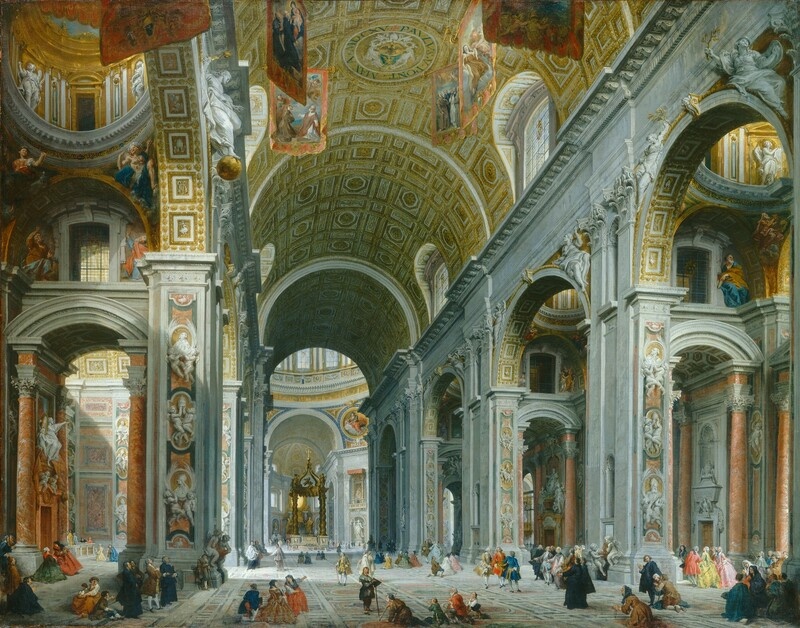
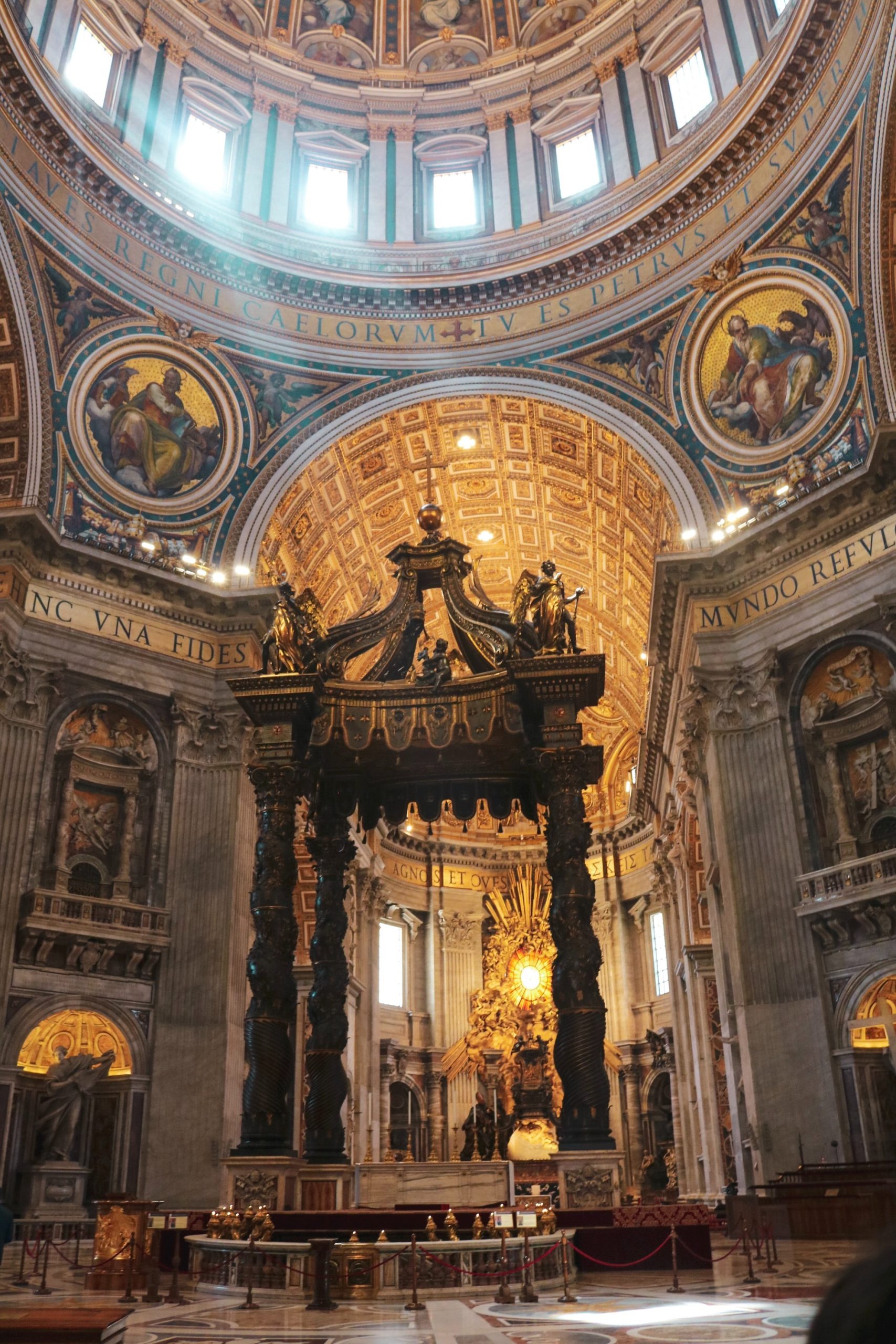
Gathering in Prayer and Remembrance
On 5 November 2026, Pope Leo XIV celebrated Holy Mass at the Altar of the Chair in St Peter’s Basilica for the repose of the souls of 143 departed shepherds of the Church: seven cardinals and 136 archbishops and bishops.
Following All Saints’ Day and All Souls’ Day, this annual celebration expresses the Church’s enduring faith in resurrection, divine mercy and the communion of saints.
The seven cardinals commemorated were Dominik Duka, Polycarp Pengo, Jean-Baptiste Phạm Minh Mẫn, Emil Paul Tscherrig, Camillo Ruini, Júlio Duarte Langa and Paolo Romeo.
Their remembrance invites reflection upon eschatology, the study of humanity’s ultimate destiny, and pneumatology, the study of the Holy Spirit.
Together, these disciplines illuminate the mystery of eternal life in communion with the Father, through the Son and in the Holy Spirit.
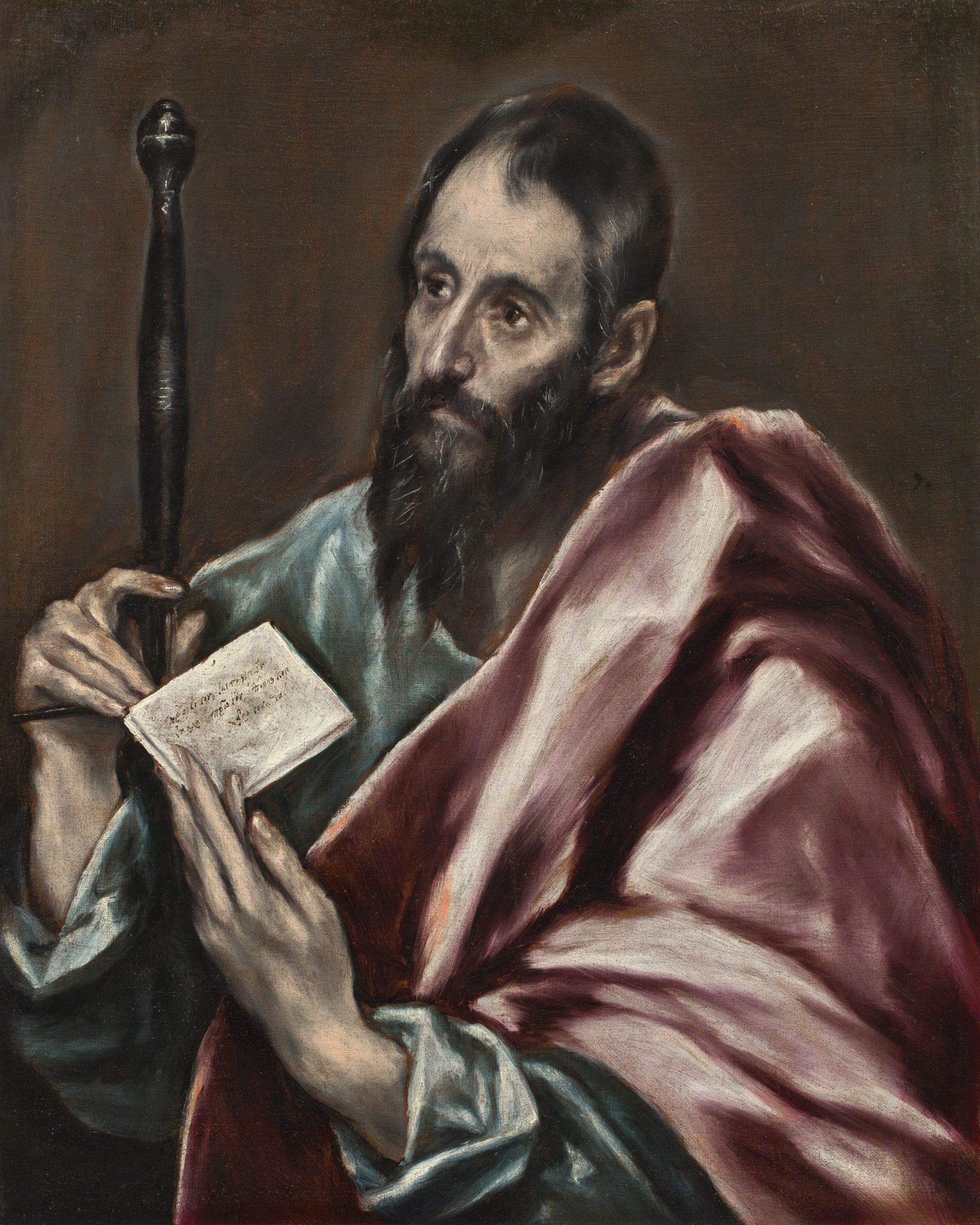
Jesus Christ and Saint Paul — The Promise of Resurrection
“If anyone serves me, they must follow me, and where I am, there will my servant be also.”
John 12:26
These opening words of the Holy Father’s homily establish the foundation of Christian eschatology: eternal life as participation in the life of Christ and communion with the Father.
Through his promise of the Paraclete, Jesus assures his disciples that his departure does not signify abandonment. The Holy Spirit will sustain them until the fulfilment of God’s promises.
Saint Paul develops this understanding in Romans 8:11, teaching that the Spirit through whom Christ was raised will also give life to our mortal bodies.
Christian hope therefore embraces not simply the immortality of the soul, but bodily resurrection and the renewal of creation.
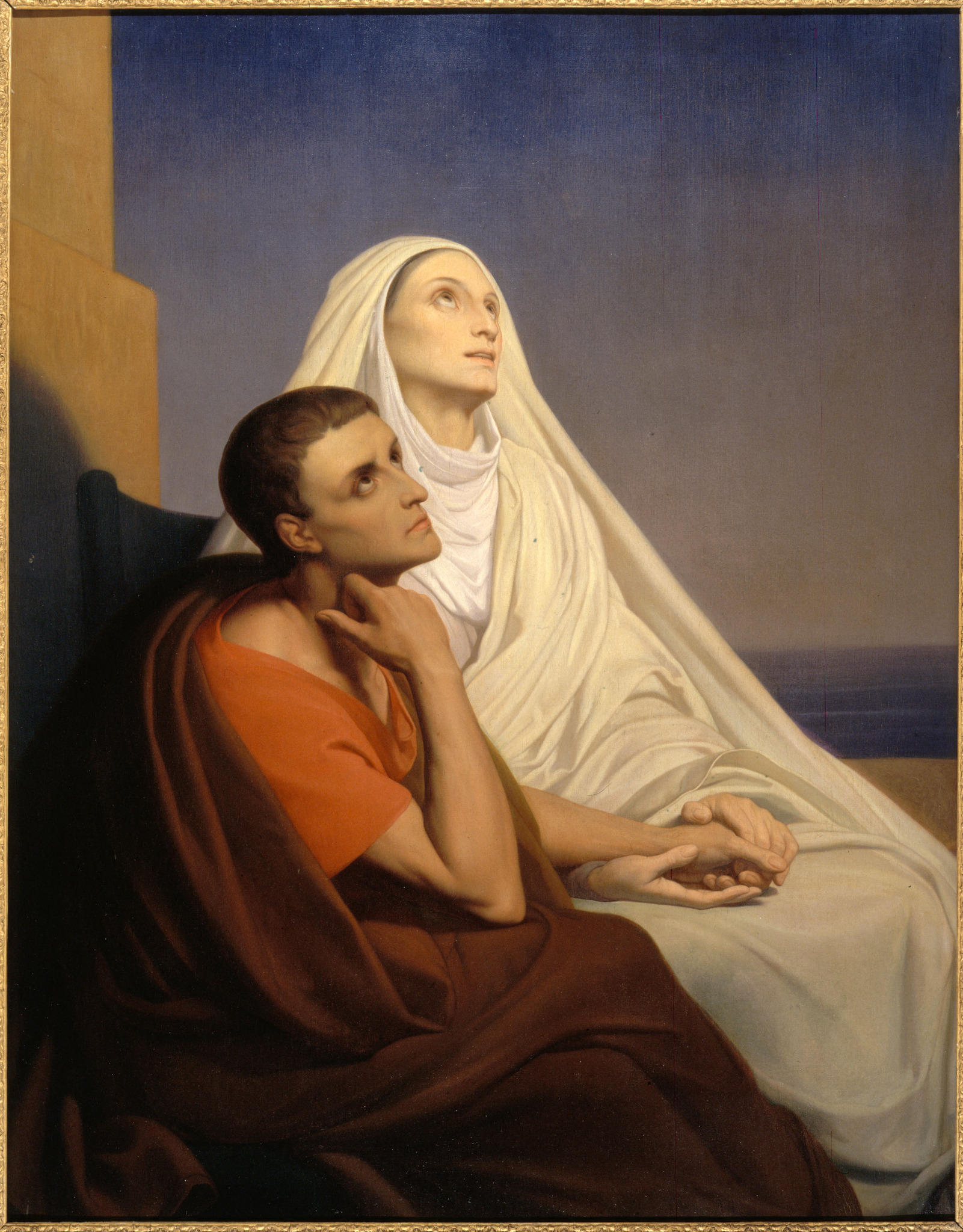
Judas Maccabeus, Saint Monica and Saint Augustine
The first reading, 2 Maccabees 12:43–46, recalls Judas Maccabeus offering a sacrifice for his fallen companions. His belief in resurrection provides a scriptural foundation for prayer on behalf of the departed and the Catholic understanding of purification after death.
Pope Leo XIV also recalled Saint Monica, whose contemplation of eternal life with Augustine at Ostia is recorded in Book IX of the Confessions.
Before her death in AD 387, Monica asked her sons to remember her at the altar of the Lord. Her faith placed Eucharistic intercession above concern for her earthly burial place.
Saint Augustine subsequently explored divine judgement, bodily resurrection and eternal peace in The City of God. His reflections upon the Holy Spirit in De Trinitate illuminate the relationship between divine love and eternal communion.
For Pope Leo XIV, these testimonies provide a meaningful connection between his Augustinian heritage and the Church’s continuing spiritual pilgrimage.
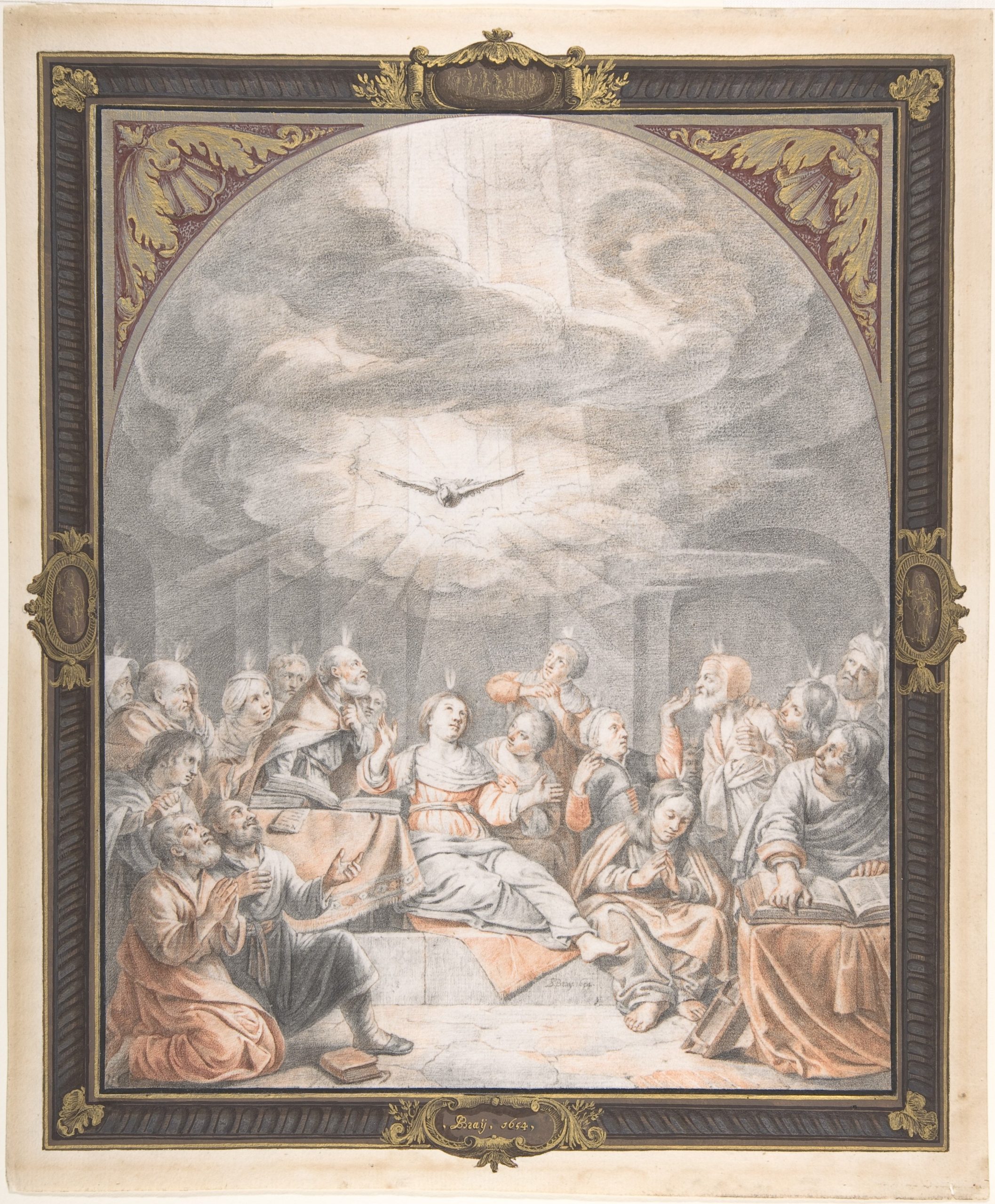
The Holy Spirit — The Lord and Giver of Life
The Nicene-Constantinopolitan Creed connects the profession of faith in the Holy Spirit with the expectation of resurrection and eternal life.
Saint Basil the Great understood the Spirit as truly divine, through whom humanity receives sanctification and participates in the life of God.
Saint John Paul II developed this relationship in Dominum et Vivificantem, connecting the life-giving mission of the Holy Spirit with Christ’s Resurrection and humanity’s future glorification.
This mystery is expressed within the Eucharist through the epiclesis, when the Church invokes the Holy Spirit upon the gifts of bread and wine and prays for the unity of the faithful.
The Eucharist anticipates the heavenly banquet, uniting remembrance, present grace and eternal hope.
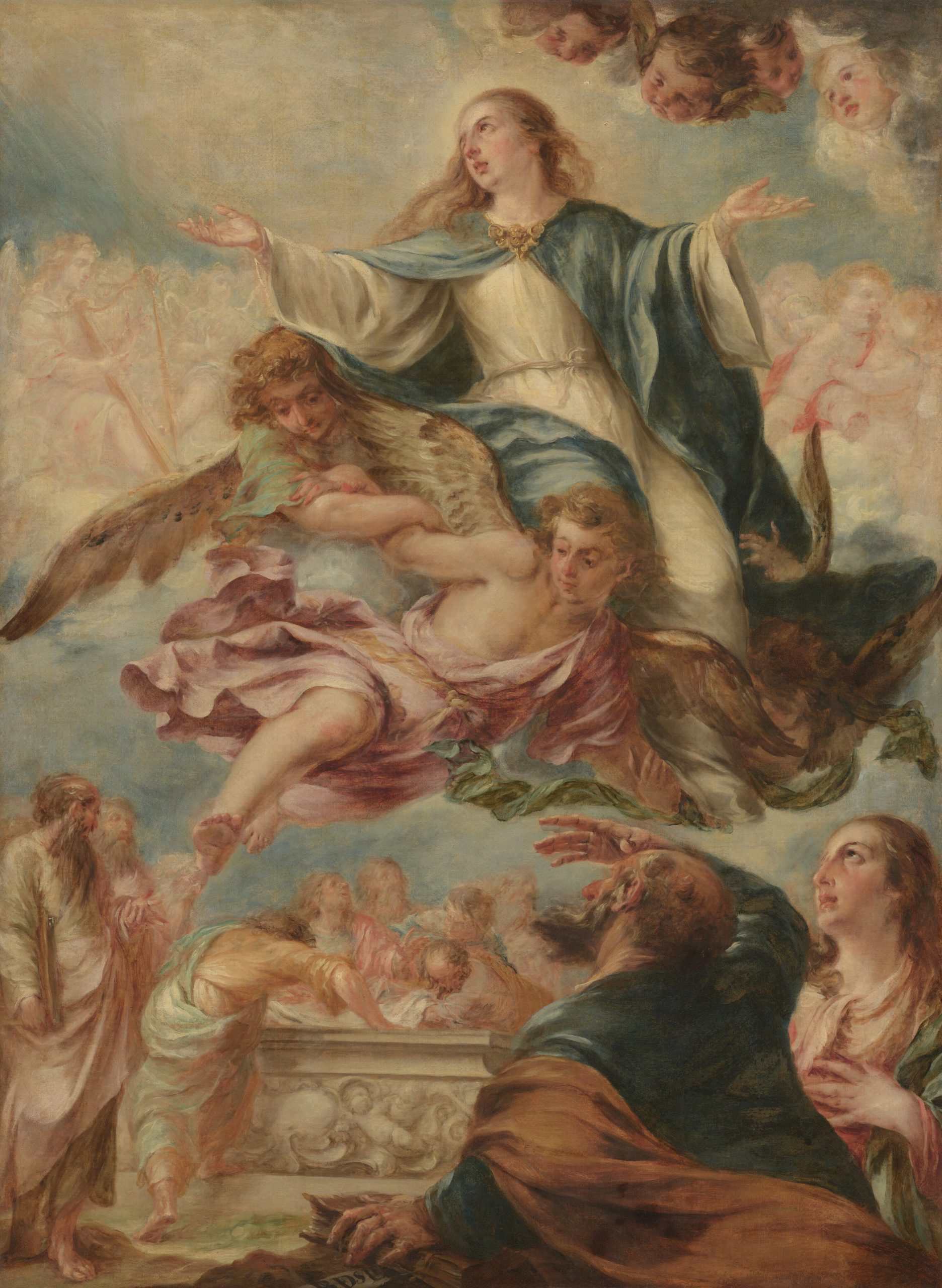
The Blessed Virgin Mary — A Sign of Eternal Hope
At the Annunciation, the Blessed Virgin Mary freely consented to the divine purpose through which the Son of God became incarnate by the Holy Spirit.
Her presence among the Apostles before Pentecost establishes a further connection between Mary, the Holy Spirit and the Church’s apostolic mission.
Her Assumption into heavenly glory, body and soul, anticipates the destiny promised to the redeemed.
In Lumen Gentium §68, the Second Vatican Council presents Mary as a sign of hope and consolation to the pilgrim People of God.
Through her glorification and maternal intercession, Mary embodies the Church’s hope of eternal communion with her risen Son.
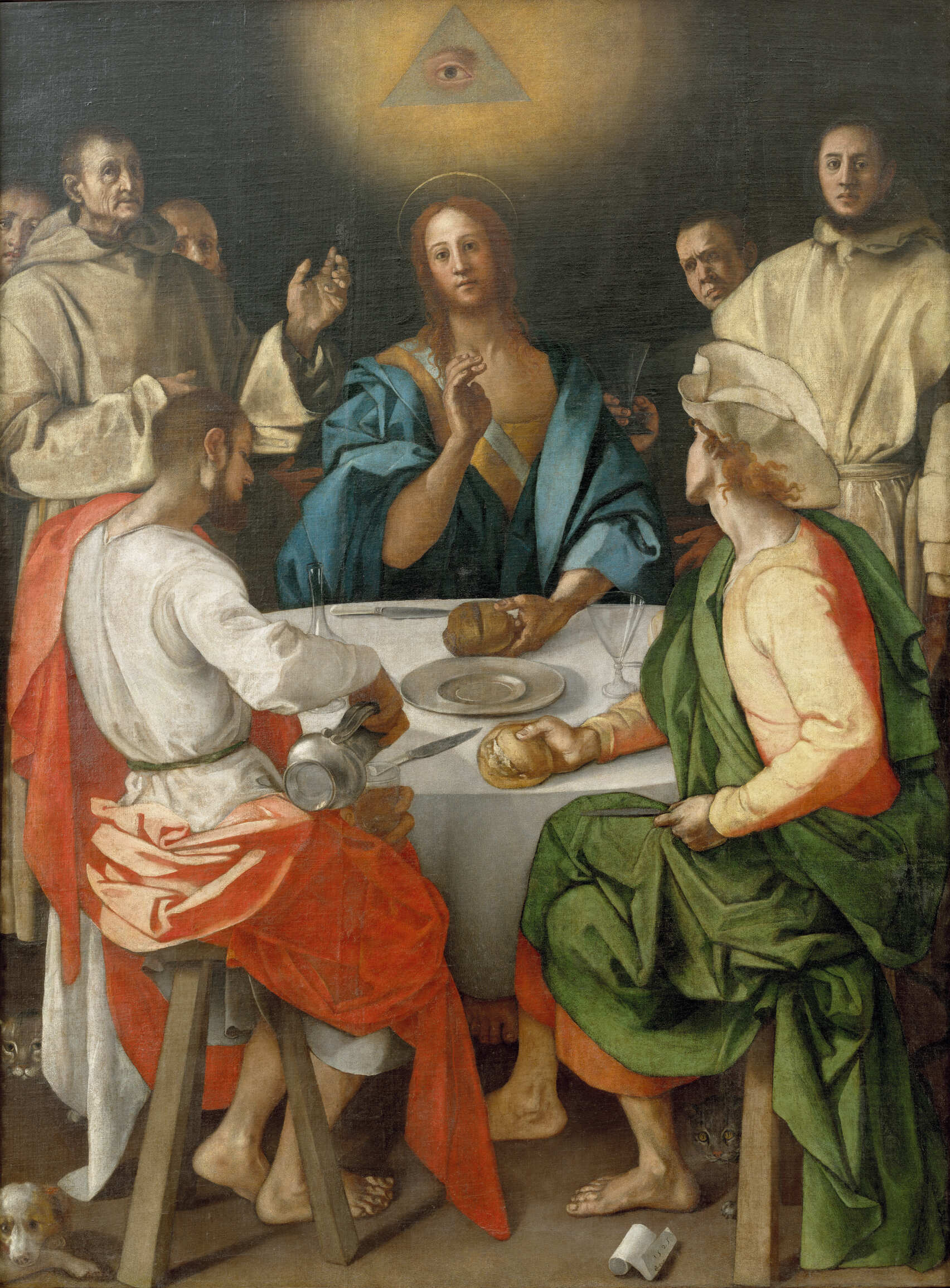
Four Pontificates — A Continuity of Christian Hope
Saint John Paul II emphasised the sanctifying and life-giving mission of the Holy Spirit.
Benedict XVI, in Spe Salvi, explored divine judgement, purification and the solidarity between the living and the dead.
Pope Francis, in Spes non confundit, presented eternal hope through the inseparable relationship between mercy, forgiveness and moral responsibility.
At the corresponding Mass on 3 November 2025, when Pope Francis himself was commemorated, Pope Leo XIV reflected upon the disciples travelling to Emmaus and Saint Francis of Assisi’s description of bodily death as a sister.
In 2026, Leo XIV approached the same mystery through Saint Monica, Saint Augustine and the communion of saints.
These complementary perspectives express an enduring apostolic faith sustained by the Holy Spirit.
Pope Leo XIV — The Communion of Saints
“When we pray for the dead, we do so not only for them, but also with them.”
The Holy Father’s words invite us to move beyond nostalgia towards a deeper understanding of Christian communion.
The Second Vatican Council distinguishes between the faithful journeying on earth, those undergoing purification and those enjoying heavenly glory.
Traditionally described as the Church Militant, Suffering and Triumphant, they belong to the one Mystical Body of Christ, united through the Holy Spirit.
“In Christ, death does not dissolve our bonds.”
The Church remembers her departed shepherds not merely as historical figures, but as brothers whose eternal destiny she entrusts to divine mercy.
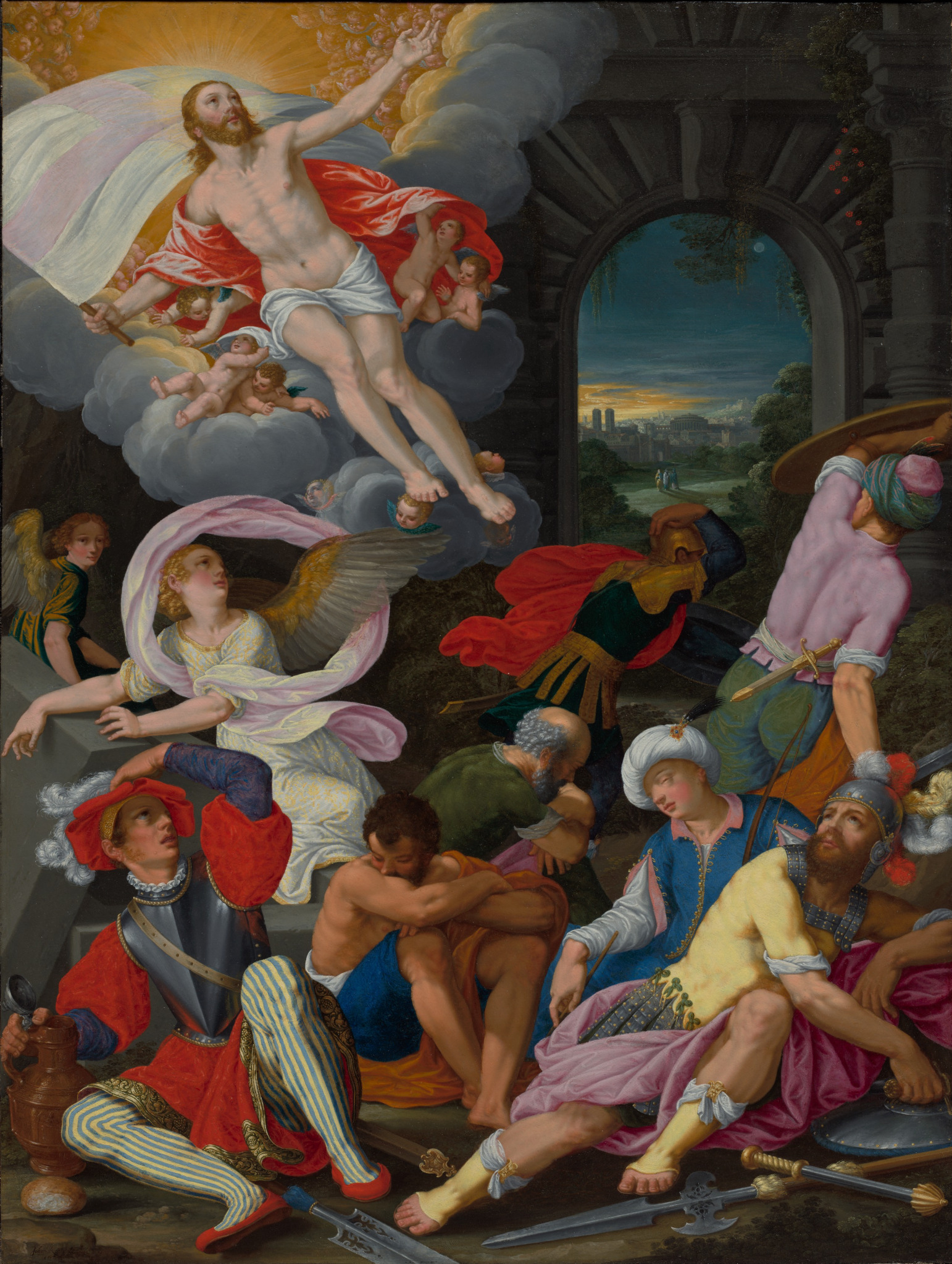
The Trinitarian Fulfilment of Eternal Hope
Catholic eschatology embraces three interconnected dimensions: the destiny of the individual, the eternal communion of the Church and the ultimate renewal of creation.
The Holy Spirit permeates them all.
The Father calls humanity into communion with himself; the Son accomplishes redemption; the Holy Spirit communicates its fruits and sanctifies the faithful.
These are not independent works, but the inseparable saving action of the Holy Trinity.
The concluding chapter of Revelation expresses this expectation:
“The Spirit and the Bride say, ‘Come.’”
Revelation 22:17
In remembering her departed shepherds, the Church looks beyond earthly achievements towards the fulfilment of God’s promises.
Maranatha — Come, Lord Jesus.
In Prayer and Remembrance
Veni, Sancte Spiritus.
Come, Holy Spirit, Lord and giver of life. Strengthen our faith in the Resurrection, comfort those who mourn and sustain our prayers for the departed.
Requiem aeternam dona eis, Domine, et lux perpetua luceat eis.
Requiescant in pace. Amen.
Eternal rest grant unto them, O Lord, and let perpetual light shine upon them.
May they rest in peace. Amen.
Gloria Patri, et Filio, et Spiritui Sancto.
Historical, Scriptural and Theological References
Principal Documentary Sources
- Pope Leo XIV, Homily, Holy Mass for deceased cardinals and bishops, 5 November 2026.
- Office for the Liturgical Celebrations of the Supreme Pontiff, official liturgical booklet, 5 November 2026.
- Holy See, official notification and event documentation, 5 November 2026.
- Christopher Wells, Pope Leo XIV honors deceased prelates as heralds of Easter Hope, Vatican News, 3 November 2025.
Sacred Scripture
- 2 Maccabees 12:43–46.
- Luke 1:26–38; 24:13–35.
- John 12:26; 14:2–18; 16:7–15.
- Acts 1:12–14; 2:1–13.
- Romans 5:1–5; 8:11–27.
- 1 Corinthians 15.
- 2 Corinthians 5:1–5.
- 2 Timothy 2:11.
- Revelation 21:1–5; 22:17–20.
Patristic and Spiritual Sources
- Saint Basil the Great, De Spiritu Sancto, Chapters IX, XV–XVI.
- Saint Augustine, Confessions, Book IX, Chapters 10–13.
- Saint Augustine, De Civitate Dei, Books XIX–XXII.
- Saint Augustine, De Trinitate, Book XV.
- Saint Francis of Assisi, Canticle of the Creatures.
Conciliar, Doctrinal and Papal Sources
- Nicene-Constantinopolitan Creed.
- Second Vatican Council, Lumen Gentium (1964), §§4, 21, 48–51 and 68.
- Catechism of the Catholic Church, §§683–747, 988–1060 and 1104–1109.
- Saint John Paul II, Dominum et Vivificantem (1986), particularly §§23–25 and 58.
- Benedict XVI, Spe Salvi (2007), §§41–48.
- Pope Francis, Spes non confundit (2024), §§2–3 and 19–23.