
In the beginning God created the heavens and the earth. 2 Now the earth was formless and empty, darkness was over the surface of the deep, and the Spirit of God was hovering over the waters.
3 And God said, “Let there be light,” and there was light. 4 God saw that the light was good, and he separated the light from the darkness. 5 God called the light “day,” and the darkness he called “night.” And there was evening, and there was morning—the first day.

The history of Christianity begins with Jesus, a Jewish preacher and teacher who traveled extensively. He was crucified in Jerusalem around AD 30–33. His followers subsequently taught that he was the incarnation of God and had risen from the dead.

Religions are belief systems about sacred, divine, or ultimate matters, often including moral codes, rituals, and practices like prayer or meditation to address fundamental questions about life and death. The world has an estimated 10,000 religions, with the largest being Christianity, Islam, Hinduism, and Buddhism, which together account for the majority of the world’s religious population. Other significant religions include Judaism, Sikhism, Chinese folk religions, and various other traditions from around the world.

Introduction to Christian Theology examines the nature of God, central doctrines, and the principles and practices that characterize Christianity. It provides a foundation for understanding key Christian concepts such as salvation, the Trinity, and the significance of scripture. This field of study is essential for individuals interested in exploring the intellectual, historical, and spiritual underpinnings of the Christian faith.
The Doctrine of Creation
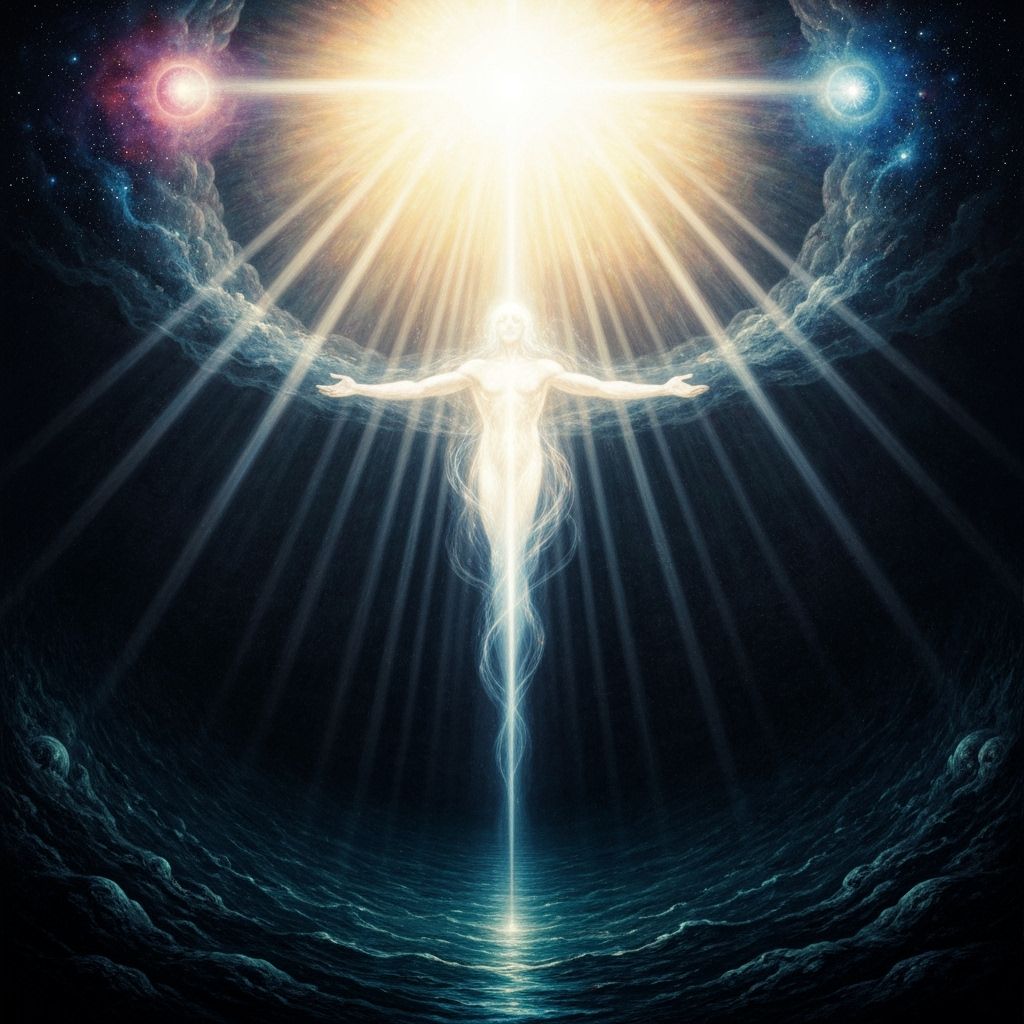
Christianity teaches that God is the creator of everything. According to the doctrine of creation, God created the universe and everything in it out of nothing (ex nihilo). The creation is inherently good, and humanity is seen as made in God’s image (imagoDei). This gives human beings inherent dignity and purpose, as they are meant to reflect God’s character and care for the earth. However, the doctrine also acknowledges that creation is now marred by sin, resulting in suffering and imperfection
The Doctrine of God (The Trinity)

The Doctrine of God explores the nature of God, including key attributes such as omnipotence, omniscience, and omnipresence. A core doctrinal belief within Christianity is the doctrine of the Trinity, which affirms that God exists as three persons—namely, God the Father, God the Son (Jesus Christ), and God the Holy Spirit—who are united in one divine essence. While each person of the Trinity is distinct in personhood, all are fully and equally divine. This teaching highlights both the unity and diversity inherent in the nature of God and provides essential insight into how the divine relates to creation and humanity.
The Doctrine Of The Incarnation

The doctrine of the Incarnation affirms that Jesus Christ, as the Son of God, assumed complete human nature while maintaining His divine nature. This proposition describes how God became human through the birth of Jesus, born of the Virgin Mary. Jesus is recognized as being both fully divine and fully human, a relationship described as the hypostatic union. The concept of the Incarnation is essential for understanding how God engaged with human history to provide greater revelation and to facilitate the process of salvation.
The Doctrine Of Atonement

The concept of Atonement relates to the reconciliation between humanity and the divine, achieved through the life, crucifixion, and resurrection of Jesus Christ. It is a widely accepted belief among Christians that Jesus’ sacrificial death on the cross served to make amends for sin, enabling forgiveness and restoring the relationship between God and humanity. This doctrine can be interpreted through various theological frameworks, including the penal substitutionary model, which emphasizes Jesus accepting the penalty for sin, and the Christus Victor model, which underscores Jesus’ victory over evil forces.
The Doctrine Of Salvation

The Doctrine of Salvation (Soteriology) Salvation in Christianity is the deliverance from sin and its consequences through the grace of God. Christians believe that salvation is a gift that cannot be earned by works but is received through faith in Jesus Christ. The doctrine of salvation emphasises the importance of grace, which is God’s unmerited favor, and faith, which is trusting in Jesus Christ’s redemptive work. Salvation leads to eternal life with God, and it involves both a present transformation (spiritual rebirth) and a future hope (resurrection and eternal life).
The Doctrine Of The Holy Spirit

. The Holy Spirit, as the third person of the Trinity, plays a crucial role in the life of believers. The Spirit dwells within believers, offering guidance, comfort, empowerment, and spiritual growth. The Holy Spirit enables Christians to live in accordance with God’s will and equips them for service. Additionally, the Spirit convicts individuals of sin, facilitates spiritual renewal, and bestows spiritual gifts aimed at edifying the church and restoring the harmonious relationship between God and humanity. Jesus takes the punishment for sins, Jesus Christs’s victory over evil powers through His death. The role of the Holy Spirit is to empower and guide believers, as well as its presence in the world to sanctify, comfort, and inspire.
The Doctrine Of The Church

The church is a community of individuals who share a common faith in Jesus Christ. Members of the church collaborate to fulfill its mission and promote its development. The church’s primary responsibilities include worshiping God, sharing the message of the Gospel, and providing support to those in need. Additionally, the church administers sacraments such as Baptism and Eucharist (Holy Communion), which are essential aspects of the Christian faith and serve to strengthen the relationship between believers and God.
The Doctrine Of Eschatology

Eschatology is the branch of theological study concerned with the ultimate events and final considerations of human history, including concepts such as mortality, divine judgment, the afterlife, and the realisation of God’s kingdom. Central to Christian belief is the resurrection of the deceased and the promise of eternal life, which entails being in the presence of God in heaven or alternatively, separation from Him in eternity. The anticipated return of Jesus Christ, commonly known as the Second Coming, signifies the culmination of this process through the final judgment and the establishment of God’s everlasting kingdom.
The Role Of Scripture In Theology

The role of Scripture in Christian theology is foundational, as the Bible is considered the primary source of divine revelation, doctrinal authority, and ethical guidance. It is through Scripture that Christians come to know God’s nature, His will, and His plan for salvation.

Over centuries, theology has developed with Scripture serving as the anchor for understanding the Christian faith, doctrines, and moral life.Scripture as the Source of Doctrine. One of the most important roles of Scripture is as the basis for Christian doctrine. Christian beliefs about God, Jesus Christ, the Holy Spirit, salvation, and the Church are derived from the Bible.
Doctrine Of God

For example: The nature and attributes of God are revealed throughout Scripture. In the Old Testament, God is seen as Creator and Redeemer, while the New Testament reveals God’s nature as Father, Son, and Holy Spirit through the doctrine of the Trinity.
Doctrine Of Salvation

Scripture serves as the foundational resource for comprehending the doctrine of salvation. Verses like John 3:16(“For God so loved the world that he gave his one and only Son, that whoever believes in him shall not perish but have eternal life”) form the basis of the doctrine of soteriology, or the study of salvation.
Doctrine Of The Trinity

Although the specific term “Trinity” is not directly mentioned in Scripture, the foundational concept is derived from passages such as Matthew 28:19 “Go therefore and make disciples of all nations, baptizing them in the name of the Father and of the Son and of the Holy Spirit”and 2 Corinthians 13:14, (The Apostle Paul) “The grace of the Lord Jesus Christ, and the love of God, and the communion of the Holy Spirit be with you all” They reference the Father, the Son, and the Holy Spirit. Therefore, Scripture functions as the primary and authoritative source for the development and understanding of Christian doctrine that Jesus’s ministry was based on evangelising and promising that salvation could only be through him.

Christians hold the belief that faith in Jesus Christ is the primary means of establishing a relationship with God, as emphasized in passages such as John 14:6 (“No one comes to the Father except through me”) and Acts 4:12. (“Salvation is found in no one else, for there is no other name under heaven given to mankind by which we must be saved”)
.Scripture as a Guide for Christian LifeIn addition to providing doctrine, Scripture plays a crucial role in shaping the moral and ethical life of Christians. It offers guidance on how Christians are to live in accordance with God’s will.Christian Ethics: The Bible is central in forming Christian ethics, with key moral teachings found throughout both the Old and New Testaments. The Ten Commandments(Exodus 20) and Jesus’ ethical teachings in the Sermon on the Mount(Matthew 5-7) lay down the core principles of Christian behaviour, such as love, forgiveness, humility, and justice. The Epistlesin the New Testament further guide believers on how to live in community, conduct themselves in relationships, and work towards justice.Moral Teaching: Scripture also provides practical instructions for Christians in their daily lives. For instance, the writings of Paul, especially in letters like Romansand 1 Corinthians, offer advice on moral conduct, spiritual growth, and living in harmony with others.
Scripture asRevelationChristian theology understands Scripture as the means by which God reveals Himself to humanity. This is referred to as revelation—God’s disclosure of His nature, His will, and His purposes. Christians believe that through Scripture, God speaks directly to His people, making His character and plans known.Divine Inspiration: Christians hold that the Bible is divinely inspired, meaning that God, through the Holy Spirit, guided the human authors to write what He intended. 2 Timothy 3:16affirms this belief, stating, “All Scripture is God-breathed.” This inspiration is understood to ensure that the Bible is trustworthy and authoritative in matters of faith and practice.
Theological MethodsTheological methods refer to the approaches and tools used by theologians to study, interpret, and understand the doctrines of the Christian faith. These methods vary, depending on the tradition, historical context, and specific theological questions being addressed. Here are some of the key theological methods used in Christian theology:
Exegesis
Exegesisis the critical interpretation of Scripture. The goal is to understand the original meaning of the biblical texts in their historical, cultural, and linguistic contexts. Exegesis involves several steps:HistoricalContext: Understanding the background, culture, and circumstances in which the text was written.Linguistic Analysis: Analysingthe original language of the text (Hebrew, Aramaic, Greek) to grasp its precise meaning.Literary Context: Examining the genre,structure, and literary devices used in the passage.Exegesis is foundational for any theological study, as it ensures that theological interpretations are grounded in the actual words and meanings of Scripture.
Systematic TheologySystematic theologyaims to organiseand synthesiseChristian doctrines into a coherent system. Theologians working within this method categorisebeliefs about God, salvation, humanity, the Church, and the end times into distinct but interconnected areas. For example:Doctrine of God(Theology Proper)Doctrine of Christ(Christology)Doctrine of Salvation(Soteriology)Doctrine of the Church(Ecclesiology)Systematic theology draws from Scripture, tradition, reason, and experience to formulate clear statements about the nature of God and Christian faith. It seeks to answer fundamental questions like: What does the Bible teach about salvation? How do Christians understand the Trinity?3.
Historical TheologyHistorical theologyfocuses on how Christian doctrines and theological ideas have developed over time. This method examines how the Church has understood key theological concepts throughout history, including how doctrines were articulated in response to heresies, cultural shifts, or new philosophical ideas.It studies theological writings from the early Church Fathers, medieval scholars, the Reformers, and modern theologians.Historical theology also looks at key events like the Councils of Nicaeaand Chalcedon, the Reformation, and modern theological movements.By understanding the historical context of theological development, this method helps to clarify why certain doctrines evolved in specific ways and how they are relevant to contemporary issues.
Practical TheologyPractical theologyconcerns itself with the application oftheological principles in everyday life. It focuses on how theological insights are lived out in personal spirituality, ministry, pastoral care, worship, and ethics. This method bridges the gap between doctrine and practice by asking questions like:
How can Christian doctrine inform ethical decision-making?How do theological beliefs shape worship and ministry in the Church?How should theology be applied in pastoral care and counseling?Practical theology integrates the theological disciplines with real-world concerns, seeking to bring theology into practical action in the lives of believers.
Philosophical TheologyPhilosophical theologyseeks to understand theological concepts through the lens of philosophy. It deals with the rational analysis of religious beliefs, especially in relation to the existence and nature of God. Philosophical theology uses logical reasoning and arguments to address issues like:The existence of God: Arguments such as the cosmological, teleological, and moral arguments for God’s existence.The problem of evil: How can a good, all-powerful God allow suffering?Faith and reason: How do religious faith and human reason relate to one another?Philosophical theology helps clarify theological concepts and engages with broader intellectual issues such as the relationship between science, ethics, and religion

Christology: Examines the individual and functional aspects of Jesus Christ, including considerations of His dual nature as both fully divine and fully human, His role in the process of salvation, and the importance of His death and resurrection.

The Bible and Revelation: Recognized as the authoritative source of divine revelation. The curriculum encompasses scriptural interpretation and its relevance to contemporary contexts.

Christian Ethics: Applies theological principles to moral and social issues, emphasizing justice, love, mercy, and living in accordance with biblical teachings.