Pope Leo XIV Closes The Holy Door, St Peter’s Basilica, Rome
Click Below to watch highlights of Pope Leo XIV closing the Holy Door, St Peter’s Basilica, Rome
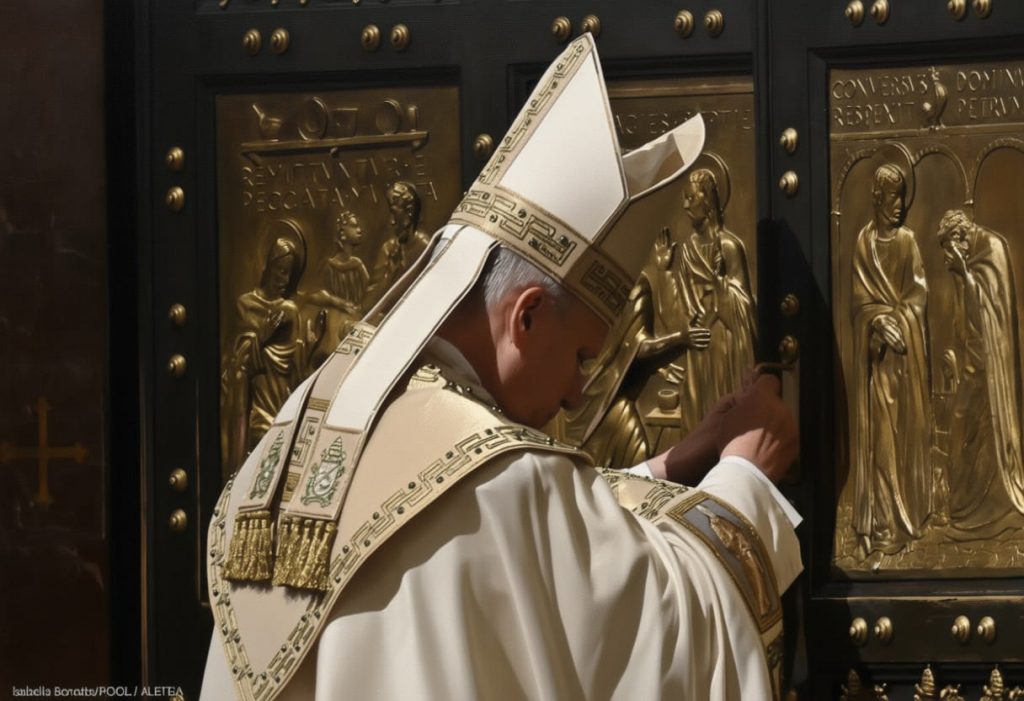
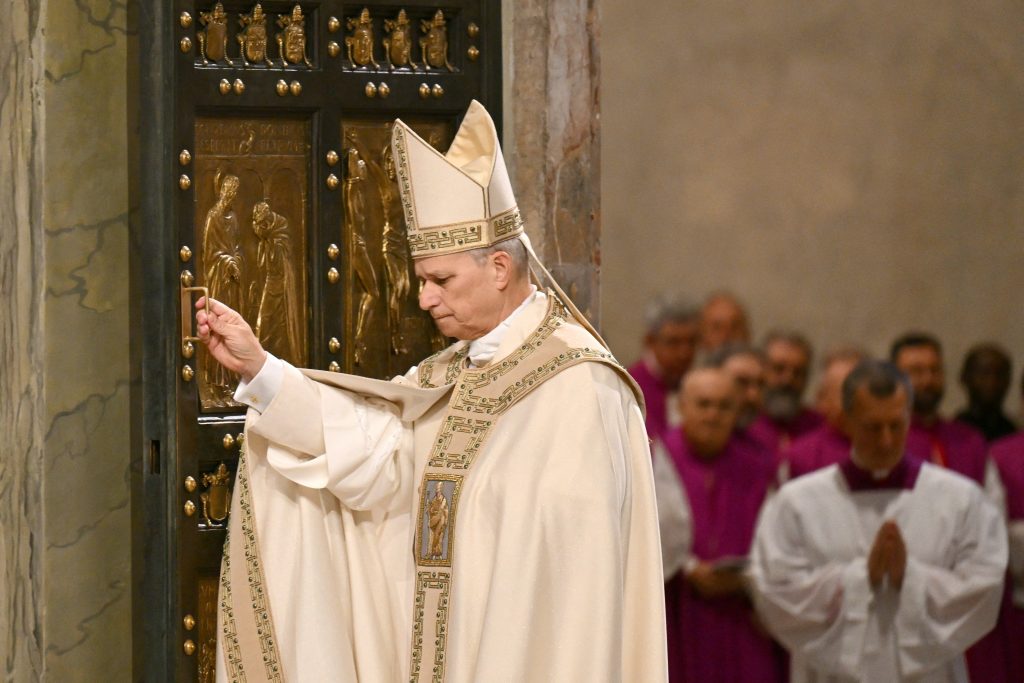
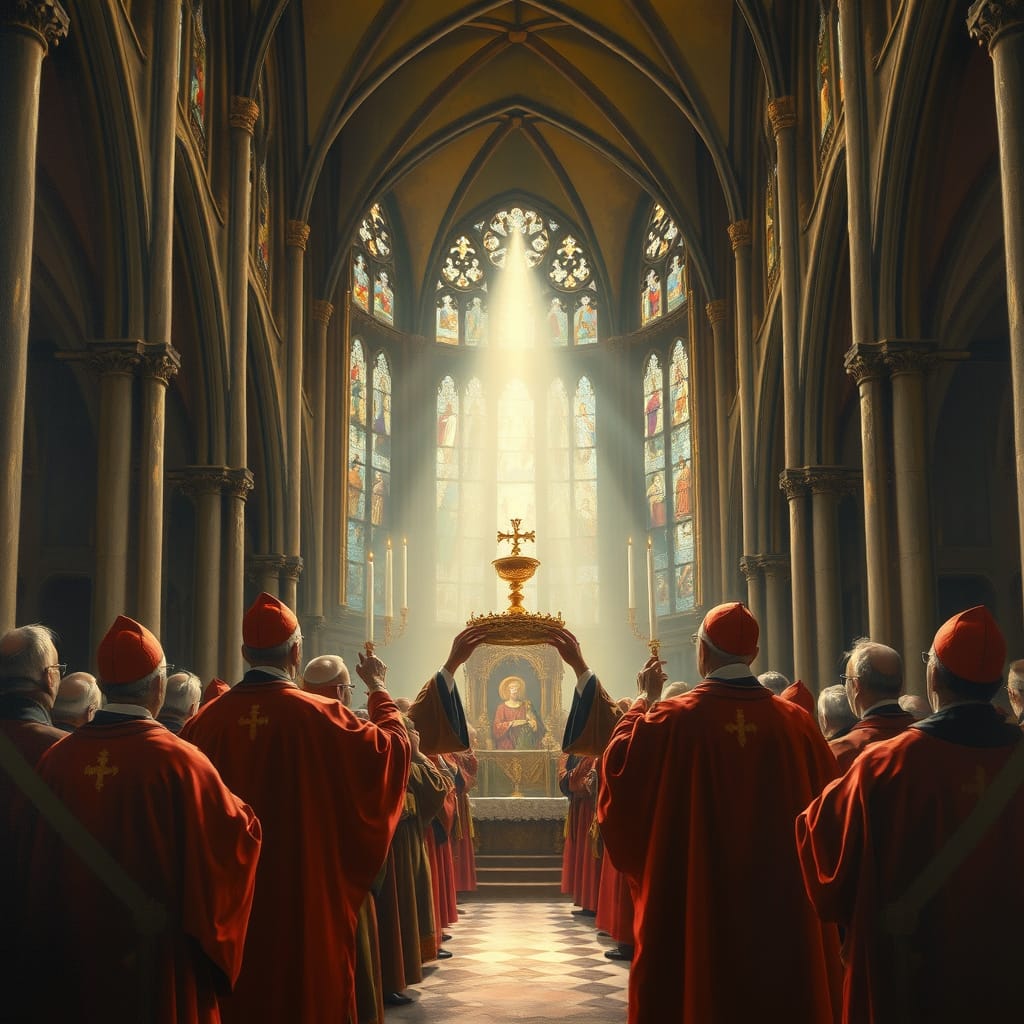
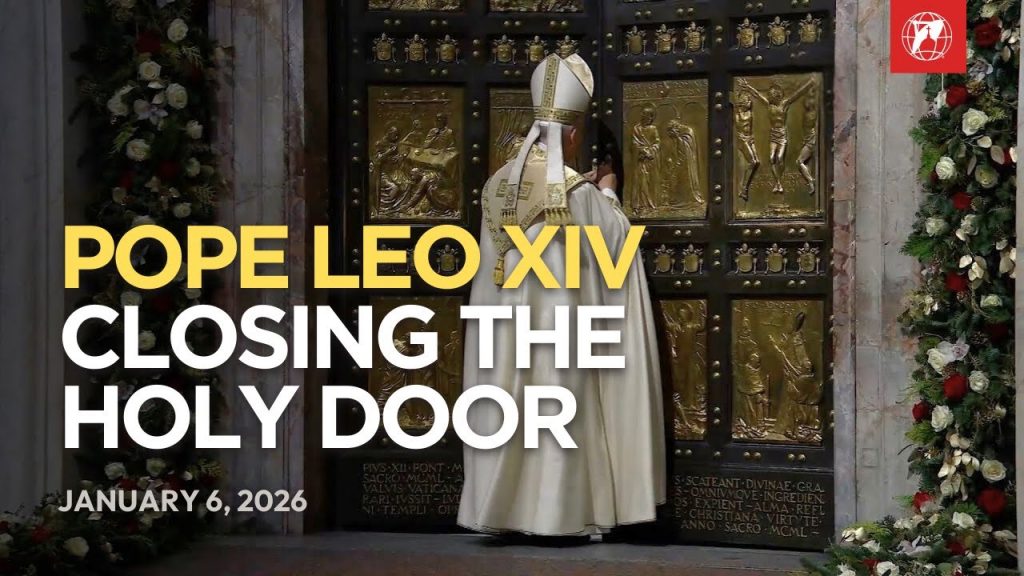
Pope Leo XIV closes the Holy Door, St Peter’s Basilica, Rome, concluding Jubilee Year of Hope on the Lord’s Epiphany
On the Solemnity of the Feast of the Epiphany of the Lord, Pope Leo XIV officiated at Holy Mass in St Peter’s Basilica in the presence of approximately 5,800 attendees, concluding the Holy Year of Jubilee of Hope by closing the final Holy Door.
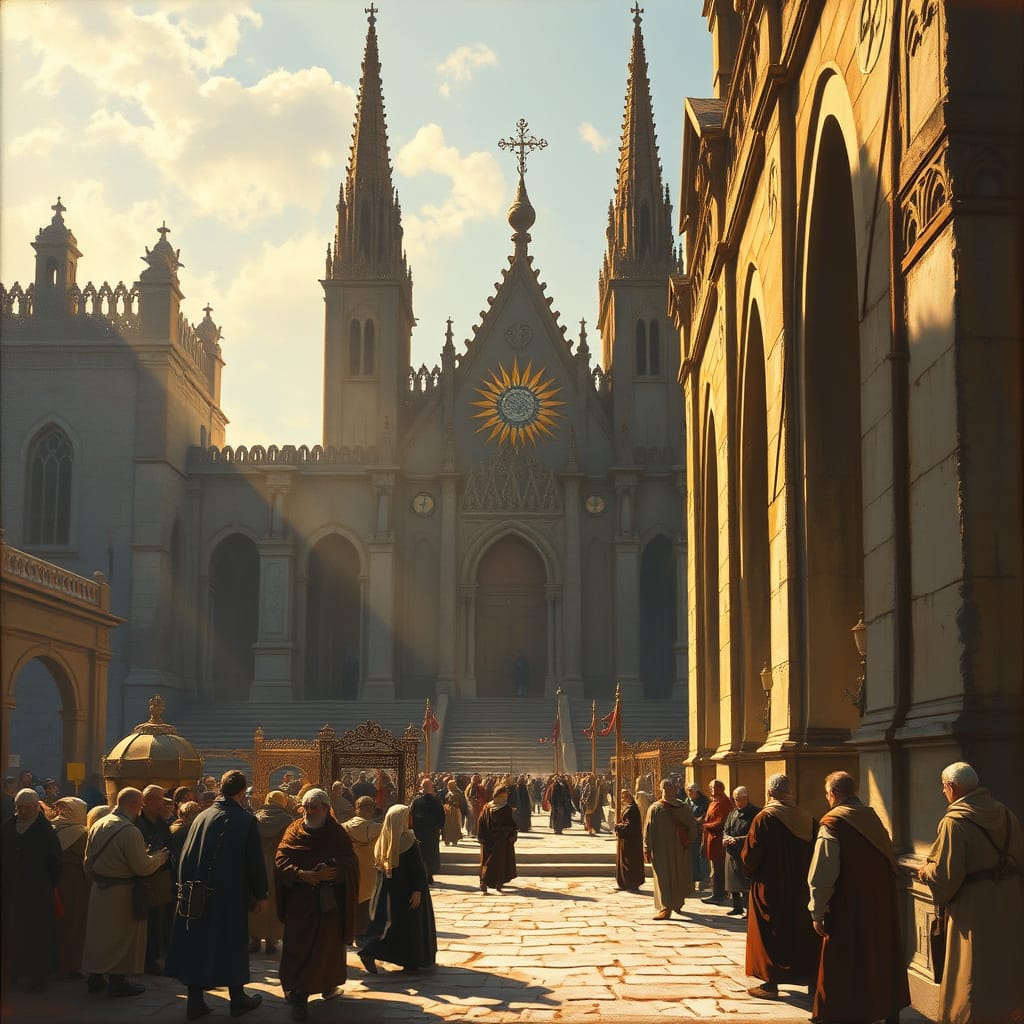
At the commencement of the liturgy, the Holy Father sealed the Holy Door of St Peter’s Basilica— the last of the Holy Doors to be closed for the Jubilee Year. This act symbolised the culmination of a period during which numerous pilgrims, guided by hope, journeyed through the Basilica’s doors towards what the Pope described as “the New Jerusalem, the city with doors that are always open.”
Reflecting on the Gospel of the Day from Matthew, the Holy Father’s homily emphasised the significance of the Magi’s joy alongside Herod’s apprehension, highlighting how Sacred Scripture consistently acknowledges the inherent tension that accompanies the revelation of God.
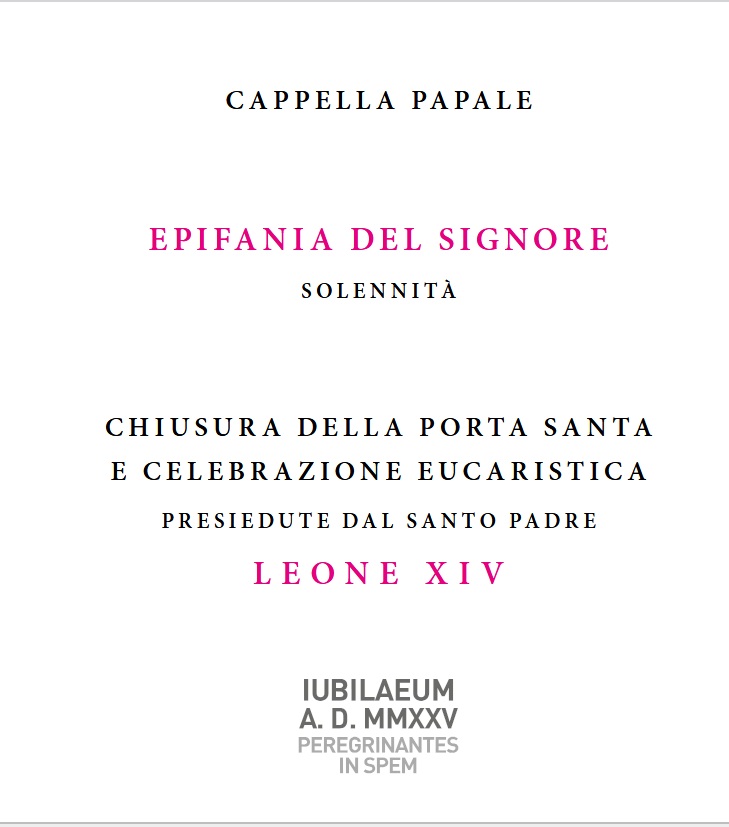
Click below for the Booklet of the Mass of the Closing of The Holy Door & Epiphany
Whenever Sacred Scripture describes God’s self-revelation, it does not shy away from depicting the varied human responses—such as joy and unease, resistance and acceptance, fear and hope.
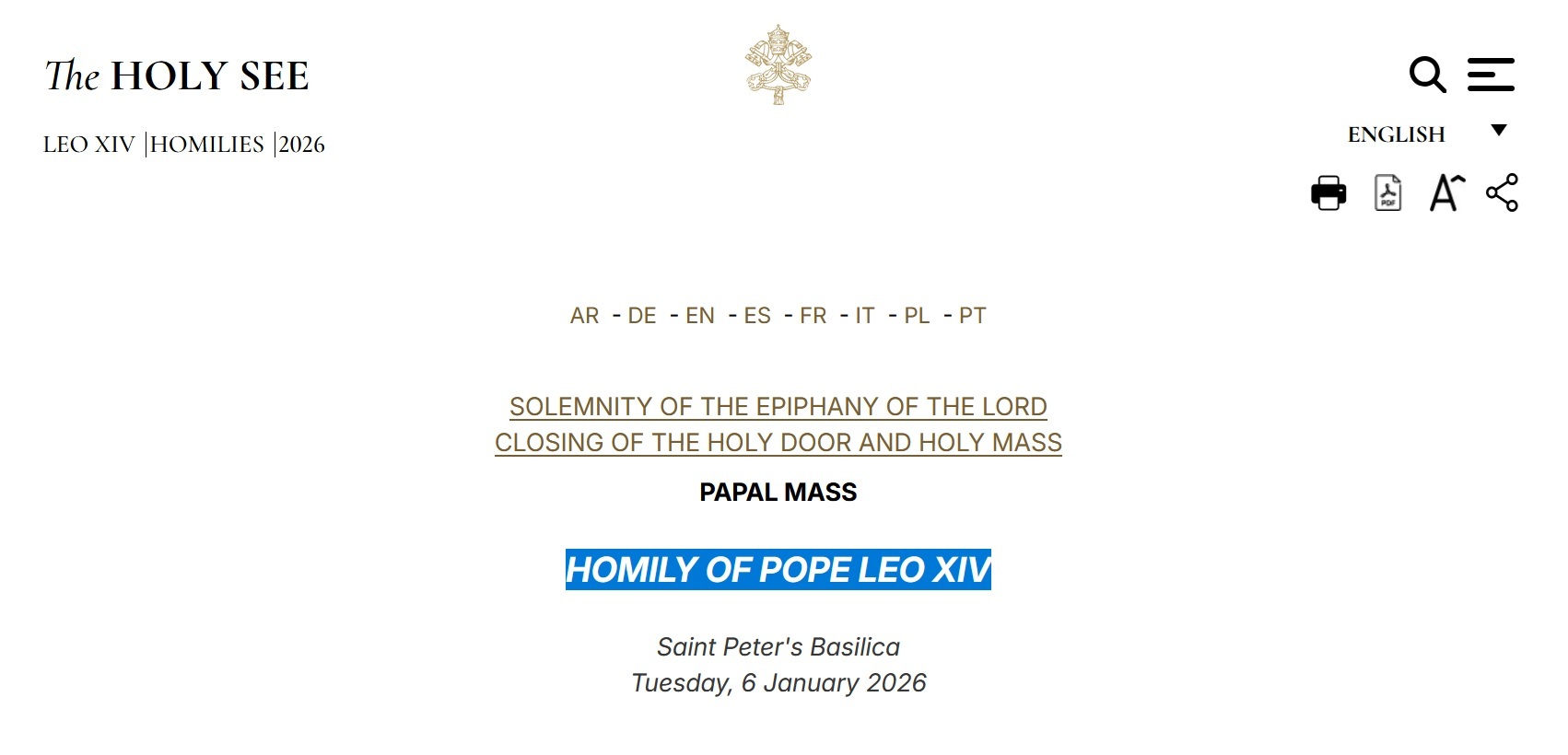
Click below for the Text of Pope Leo XVI’s homily on the closing of the Holy Door, concluding Jubilee Year of Hope on the Lord’s Epiphany
The Gospel (cf. Mt 2:1-12) described for us the great joy the Magi experienced when they saw the star once again (cf. v. 10), and at the same time how Herod and all in Jerusalem were troubled by their searching (cf. v. 3).
Pope Leo XIV stated, “Indeed, every time Sacred Scripture speaks of God manifesting himself, it does not hide the contrasting reactions, such as joy and agitation, resistance and obedience, fear and longing.”
Indeed, every time Sacred Scripture speaks of God manifesting himself, it does not hide the contrasting reactions, such as joy and agitation, resistance and obedience, fear and longing.
The Feast of the Epiphany, the Pope continued, serves as a reminder of a God whose presence invariably prompts change: “Today we celebrate the Epiphany of the Lord, aware that in his presence nothing stays the same. This marks the beginning of hope, for God reveals himself and nothing remains unchanged..”
Today we celebrate the Epiphany of the Lord, aware that in his presence nothing stays the same. This marks the beginning of hope, for God reveals himself and nothing remains unchanged.
Leo XIV continued that God’s presence dispels the aforementioned melancholic complacency characterised by a sense of stagnation and the recurring refrain, “There is nothing new under the sun” (Ecclesiastes 1:9). Instead, a new chapter commences, shaping both the present and the future, in accordance with the Prophet’s proclamation: “Arise, shine; for your light has come, and the glory of the Lord has risen upon you” (Isaiah 60:1).
His presence dispels the aforementioned melancholic complacency characterised by a sense of stagnation and the recurring refrain, “There is nothing new under the sun” (Ecclesiastes 1:9). Instead, a new chapter commences, shaping both the present and the future, in accordance with the Prophet’s proclamation: “Arise, shine; for your light has come, and the glory of the Lord has risen upon you” (Isaiah 60:1).
It is noteworthy that Jerusalem, a city rich in history and symbolism of renewal, is currently experiencing internal challenges. Within the city, individuals engaged in scriptural study and theological reflection sometimes appear to have embraced a certainty that diminishes their capacity for inquiry and a sense of spiritual longing. Additionally, there is a pronounced apprehension toward those who arrive from distant regions driven by hope and faith, reflecting a sense of fear that may inhibit the very joy and unity such hope should inspire. This atmosphere also presents valuable reflection points for us as a Church community.
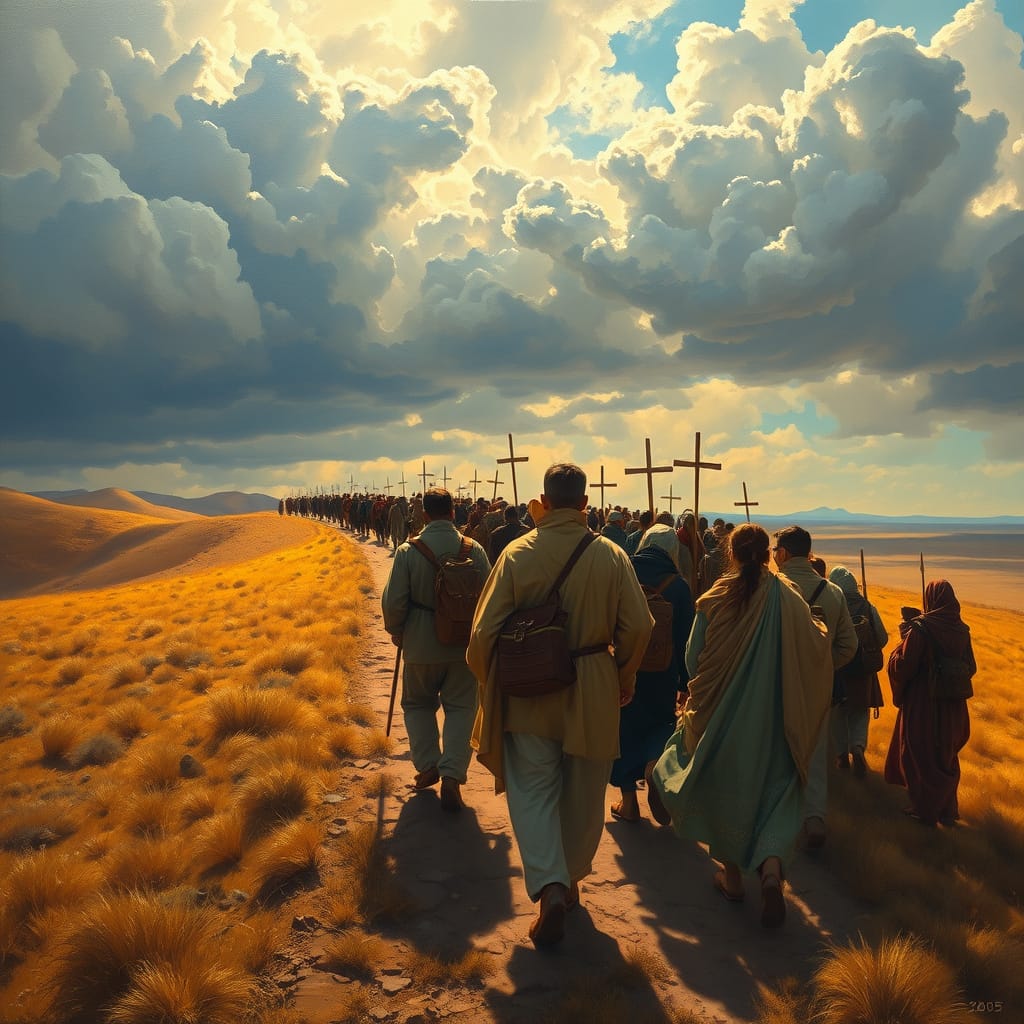
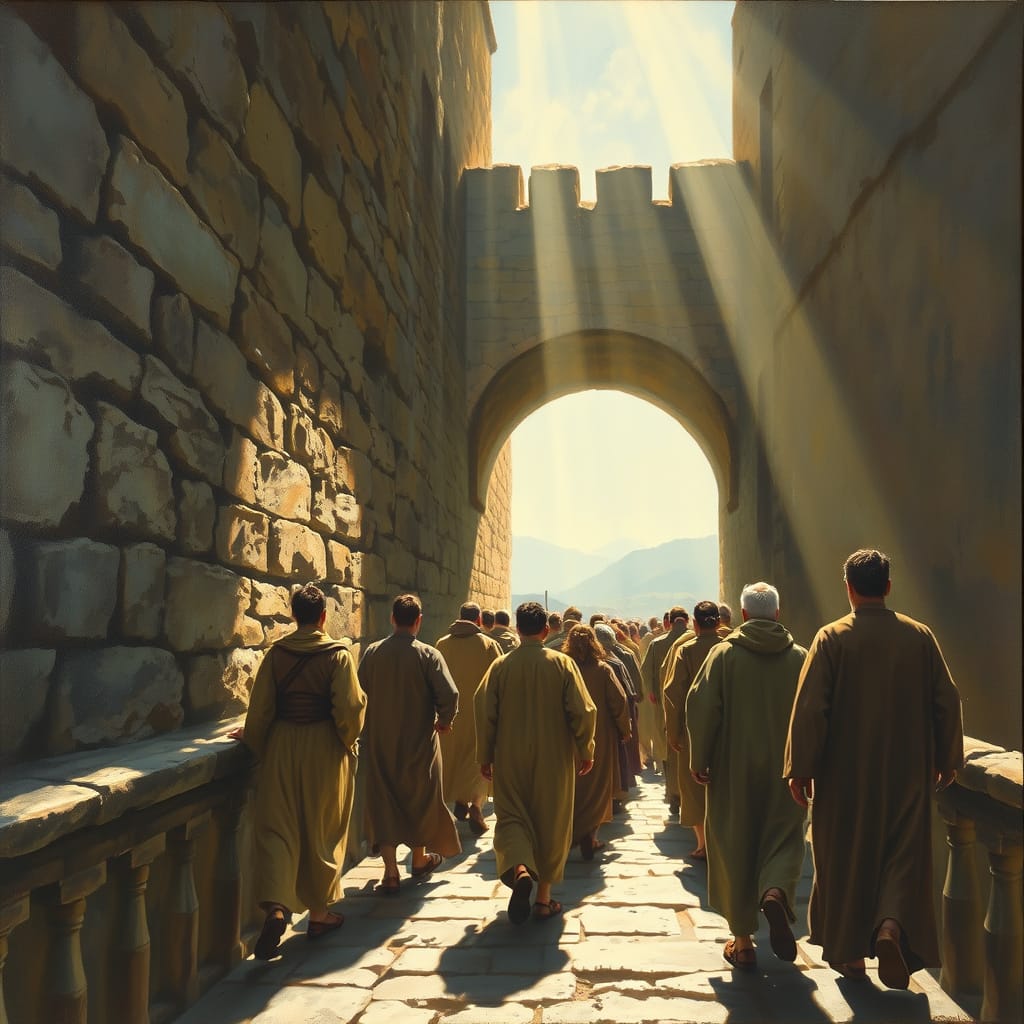
The Holy Door of this Basilica, which is today the final to be sealed, has witnessed a multitude of men and women—faithful pilgrims—making their journey towards the celestial Jerusalem, the city whose gates remain perpetually open (cf. Rev 21:25). Who were these individuals, and what inspired them to undertake such a journey?
As we conclude this Jubilee year, the spiritual quest of our contemporaries—much deeper and more nuanced than we might initially recognise—calls us to sincere reflection. Millions have passed through the threshold of the Church. What insights did they gain? What thoughts, questions, and emotions occupied their minds and hearts?
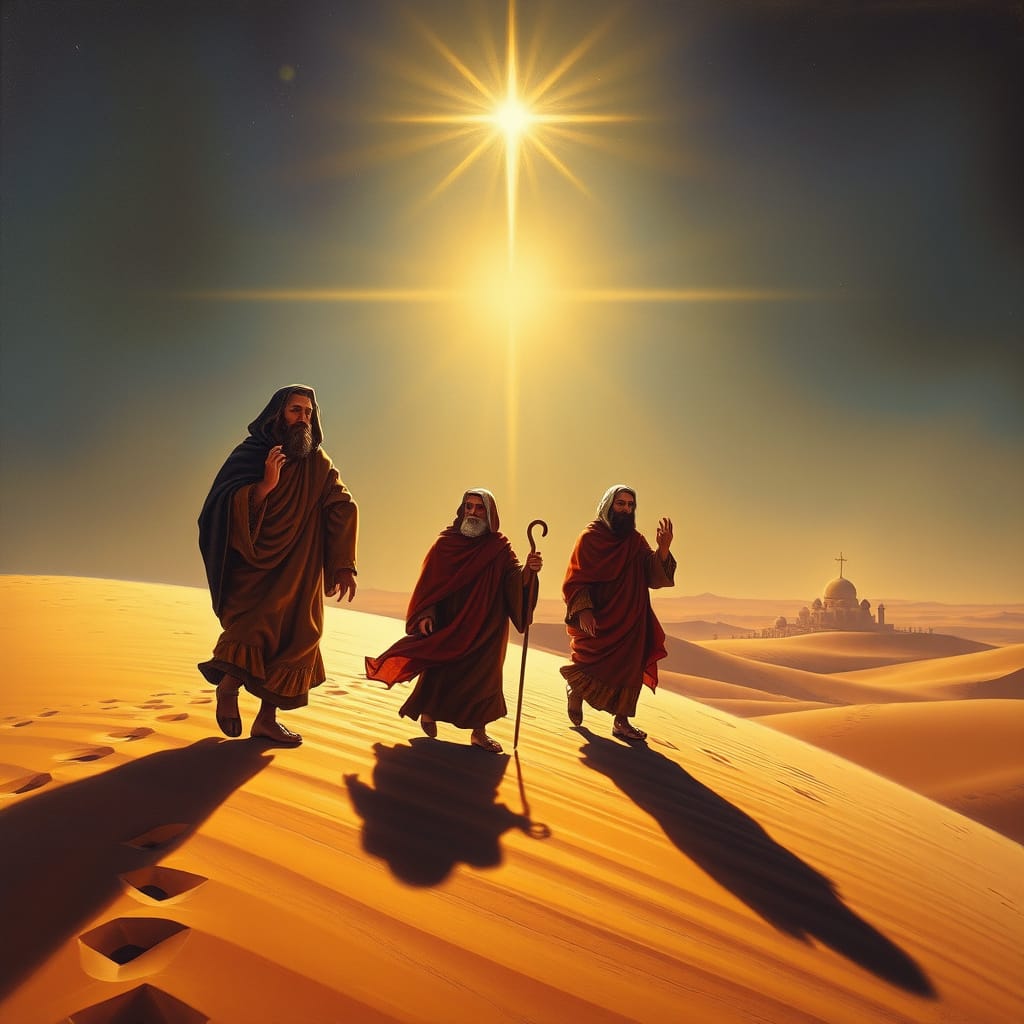
Indeed, the spirit of the Magi endures today: those who feel compelled to venture forth, accepting the risks inherent in their journey, even amidst our complex and often challenging world, which can present obstacles and dangers.
Click Below to watch the Highlights of the Closing of the Jubilee Holy Door & Epiphany Mass
The ancient thinkers referred to mankind as “homo viator,” recognising that all human life is essentially a journey. The Gospel invites the Church to embrace this reality with confidence, understanding it as an opportunity to guide our path towards God, the ultimate source of sustenance and purpose. God, unlike material idols crafted from silver and gold, is alive and dynamic.
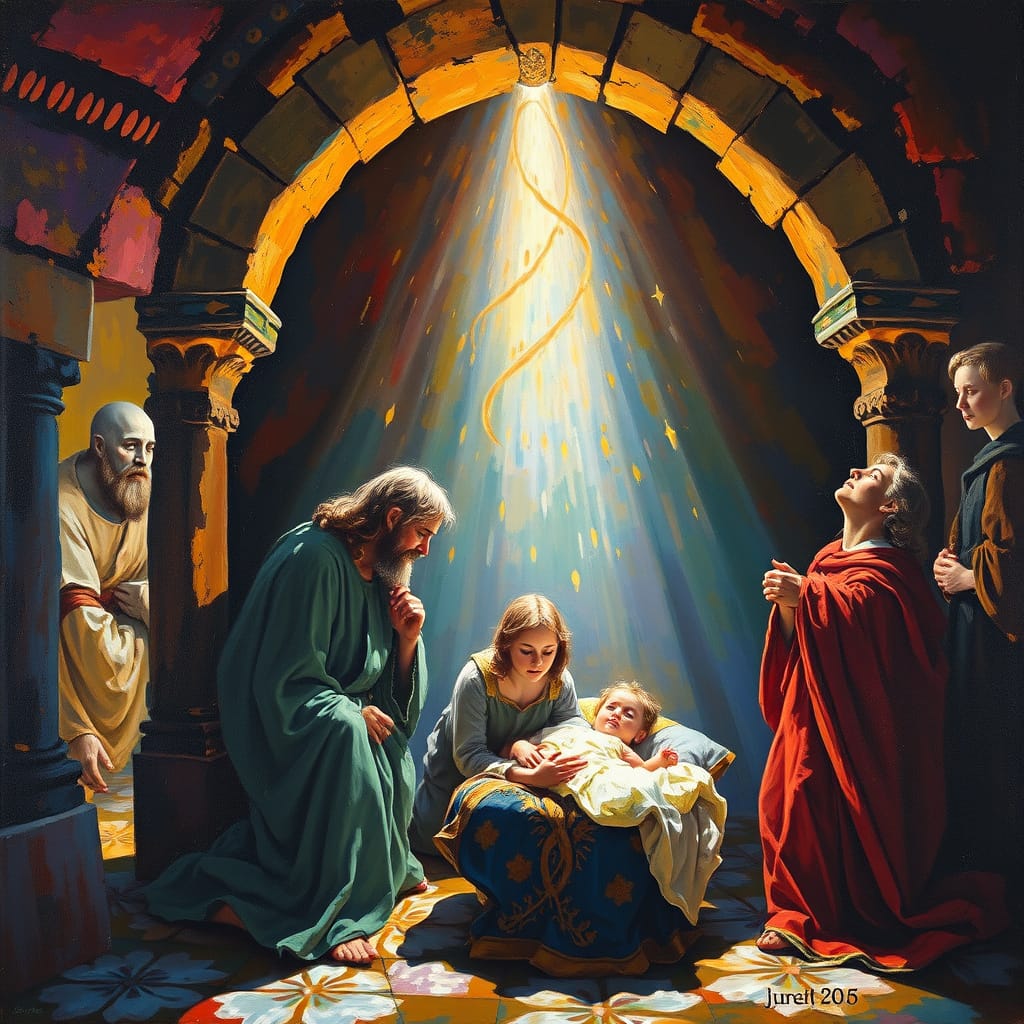
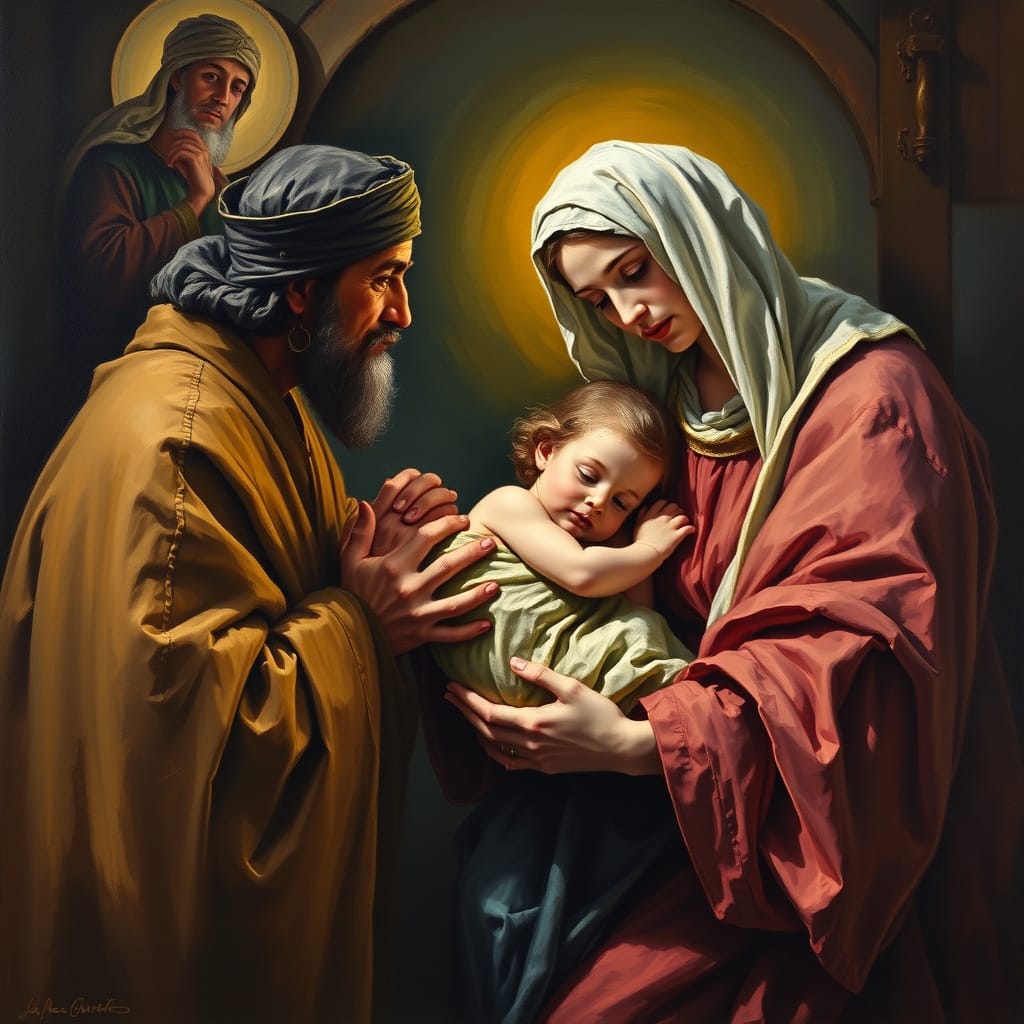
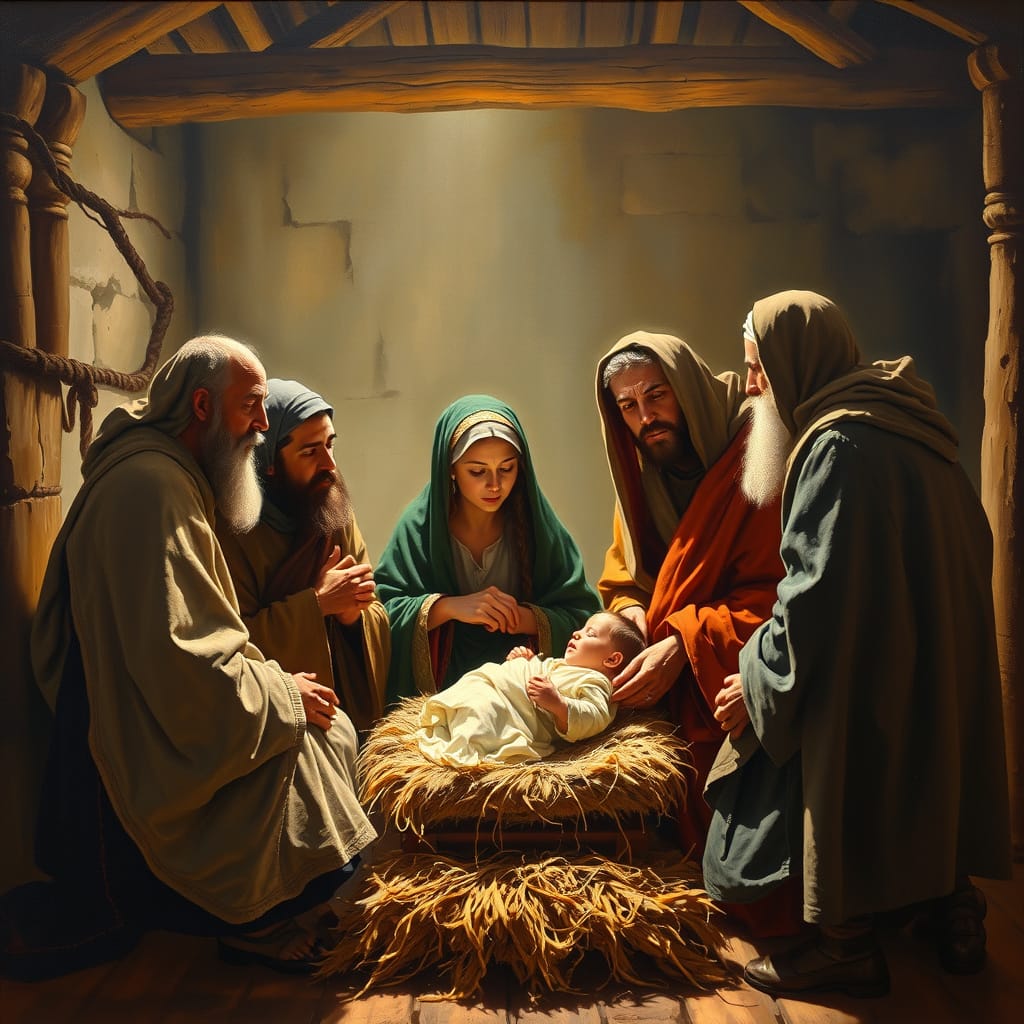
He can challenge us precisely because He is not confined to human control. Instead, He is the gift of life itself, exemplified by the infant embraced by Mary and honoured by the Wise Men.
He is a God who can unsettle us because he does not remain firmly in our hands like the idols of silver and gold; instead, he is alive and life-giving, like the Baby whom Mary cradled in her arms and whom the wise men adored.
Sacred sites such as cathedrals, basilicas, and shrines—destinations for Jubilee pilgrimages—should serve as places that radiate the essence of life and inspire the realisation that a new beginning is possible in this world.
Let us consider whether there is vitality within our Church. Is there room for new initiatives and ministries to emerge? Do we genuinely embrace and proclaim a God who invites us on a transformative journey?
For this reason, holy places must communicate life. Jubilee pilgrimage sites, the Pope said, “must diffuse the aroma of life, the unforgettable realisation that another world has begun.” He then posed the question: “Is there life in our Church? Is there space for something new to be born? Do we love and proclaim a God who sets us on a journey?”
Holy places like cathedrals, basilicas and shrines, which have become Jubilee pilgrimage destinations, must diffuse the aroma of life, the unforgettable realisation that another world has begun.
For this reason, contrasting with Herod, whose fear of losing authority influences his response to divine intervention, the Pope observed that Herod “fears for his throne and is unsettled by those matters he perceives to be beyond his control.” He attempts to influence the Magi’s pursuits by subtly guiding their aspirations. Such fear, he cautioned, “indeed diminishes our clarity.”
In the Gospel reading, Herod fears for his throne and is agitated about those things that he feels are beyond his control. He tries to take advantage of the wishes of the Magi by manipulating their quest. He is ready to lie, he is willing to do anything. Fear does indeed blind us
Conversely, the joy of the Gospel “sets us free,” enabling believers to be “prudent, yet also courageous, attentive, and inventive,” and to pursue new, unexplored paths. Places of pilgrimage and jubilee sites should serve as communities of life, radiating the inspiring realisation that a new chapter has begun.
The Wise Men present a fundamental and meaningful inquiry to Jerusalem: “Where is the one who has been born?” (Matthew 2:2). It is of great significance that visitors entering the Church recognise that the Messiah has recently arrived, that a community has assembled in which hope is renewed, and that a profound narrative of life is actively unfolding.
The Magi bring a simple and essential question to Jerusalem: “Where is he who has been born?” (Mt 2:2). How important it is that those who pass through the doors of the Church perceive therein that the Messiah has just been born, that a community gathers in which hope springs forth, and that a story of life is unfolding!
The Pope then posed reflective questions: “Is there life within our Church? Is there room for something new to emerge? Do we love and proclaim a God who invites us on a journey?
Yes, God challenges the existing order, for he has plans that inspire his prophets even today. God is determined to rescue us from both old and new forms of slavery. He involves young and old, poor and rich, men and women, saints and sinners in his works of mercy, and in the wonders of his justice. Although the Lord does so quietly, he already makes his Kingdom sprout forth everywhere in the world.
How many epiphanies we have been given and how many more could be given to us! Yet they must lead us away from the intentions of a Herod, from fears that are always ready to be turned into aggression. “From the days of John the Baptist until now the kingdom of heaven has suffered violence, and the violent take it by force” (Mt 11:12). This mysterious expression of Jesus, reported in the Gospel of Matthew, cannot but make us think of the many conflicts by which men resist and even damage the new things that God has in store for everyone.
Loving and seeking peace means protecting what is holy and, consequently, that which is newly born like a small, vulnerable, fragile baby.
Loving and seeking peace means protecting what is holy and, consequently, that which is newly born like a small, vulnerable, fragile baby.
Around us, a distorted economy tries to profit from everything. We see how the marketplace can turn human yearnings of seeking, traveling and beginning again into a mere business.
Let us ask ourselves: has the Jubilee taught us to flee from this type of efficiency that reduces everything to a product and human beings to consumers? After this year, will we be better able to recognise a pilgrim in the visitor, a seeker in the stranger, a neighbor in the foreigner, and fellow travelers in those who are different?
The way in which Jesus encountered and allowed himself to be approached by all people teaches us to value the heart’s secrets, which only he can read. With him, we learn to welcome the signs of the times (cf. Second Vatican Ecumenical Council, Pastoral Constitution on the Church in the Modern World, Gaudium et Spes, 4).
Second Vatican Ecumenical Council:Gaudium et Spes, 4 Never has the human race enjoyed such an abundance of wealth, resources and economic power, and yet a huge proportion of the worlds citizens are still tormented by hunger and poverty, while countless numbers suffer from total illiteracy. Never before has man had so keen an understanding of freedom, yet at the same time new forms of social and psychological slavery make their appearance.
Second Vatican Ecumenical Council:Gaudium et Spes, 4 Although the world of today has a very vivid awareness of its unity and of how one man depends on another in needful solidarity, it is most grievously torn into opposing camps by conflicting forces. For political, social, economic, racial and ideological disputes still continue bitterly, and with them the peril of a war which would reduce everything to ashes. True, there is a growing exchange of ideas, but the very words by which key concepts are expressed take on quite different meanings in diverse ideological systems. Finally, man painstakingly searches for a better world, without a corresponding spiritual advancement.
At the heart of the Epiphany
The child whom the Magi revere represents a profound and invaluable blessing. It is an epiphany of generosity and grace. This proclamation is not confined to esteemed or prominent locations but is often revealed in modest and humble settings.
As it is written, “And you, Bethlehem, in the land of Judah, are by no means least among the rulers of Judah” (Matthew 2:6).
As it is written, “And you, Bethlehem, in the land of Judah, are by no means least among the rulers of Judah” (Matthew 2:6).
Many communities and cities should be reminded that they are not insignificant. Indeed, the Lord continues to surprise us by revealing Himself and making His presence known. His ways are beyond our comprehension, and neither violence nor worldly powers can hinder His divine plan.
The Magi’s journey, leaving behind noble courts and sacred temples to seek Bethlehem, exemplifies this truth — it is in humility that they rediscover the guiding star.
This is the great joy of the Magi, who left palace and temple behind in setting out for Bethlehem; it is only at that moment that they see the star once again!
The Pope expressed that it is truly inspiring to embrace the journey of hope. He emphasised the importance of maintaining our collective pilgrimage together.
Ultimately, he affirmed that if the Church avoids becoming merely a monument and instead remains a welcoming community, it can future-proof itself as ‘the generation of a new dawn,’ consistently guided by Mary, Star of the Morning, toward a transformative humanity—one not shaped by misguided illusions of omnipotence, but by God’s incarnate love.
To Watch the full video of Pope Leo XIV closing the Holy Door, St Peter’s Basilica, Rome, concluding Jubilee Year of Hope on the Solemnity of the Epiphany of the Lord, click below