AN INTRODUCTION TO THE SECOND VATICAN COUNCIL
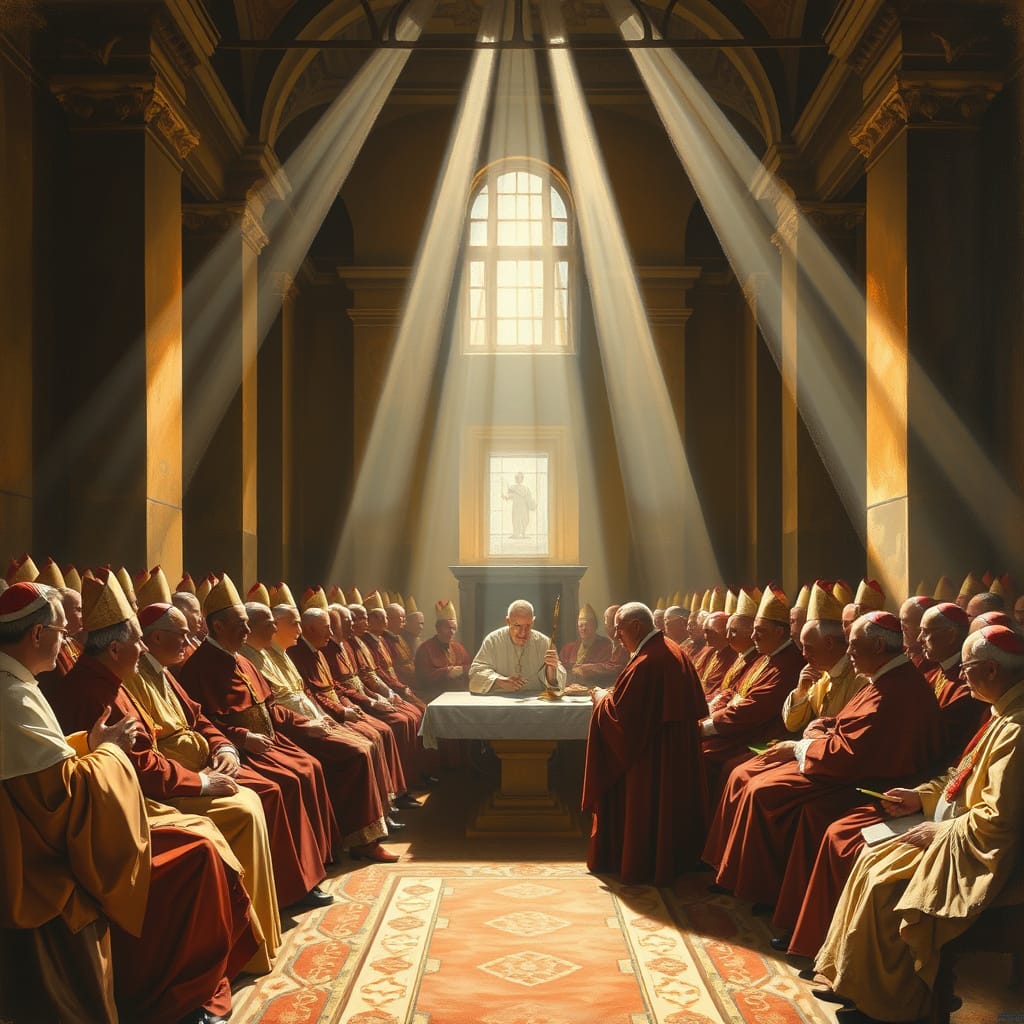
Vatican II, also known as the Second Vatican Council, was the twenty-first ecumenical council of the Catholic Church. Ecumenical councils, a tradition dating back to the Council of Nicaea in 325 AD, are formal assemblies of bishops from around the globe. These gatherings are convened under the authority of the Pope to discuss, clarify, and establish Church teachings and disciplines.
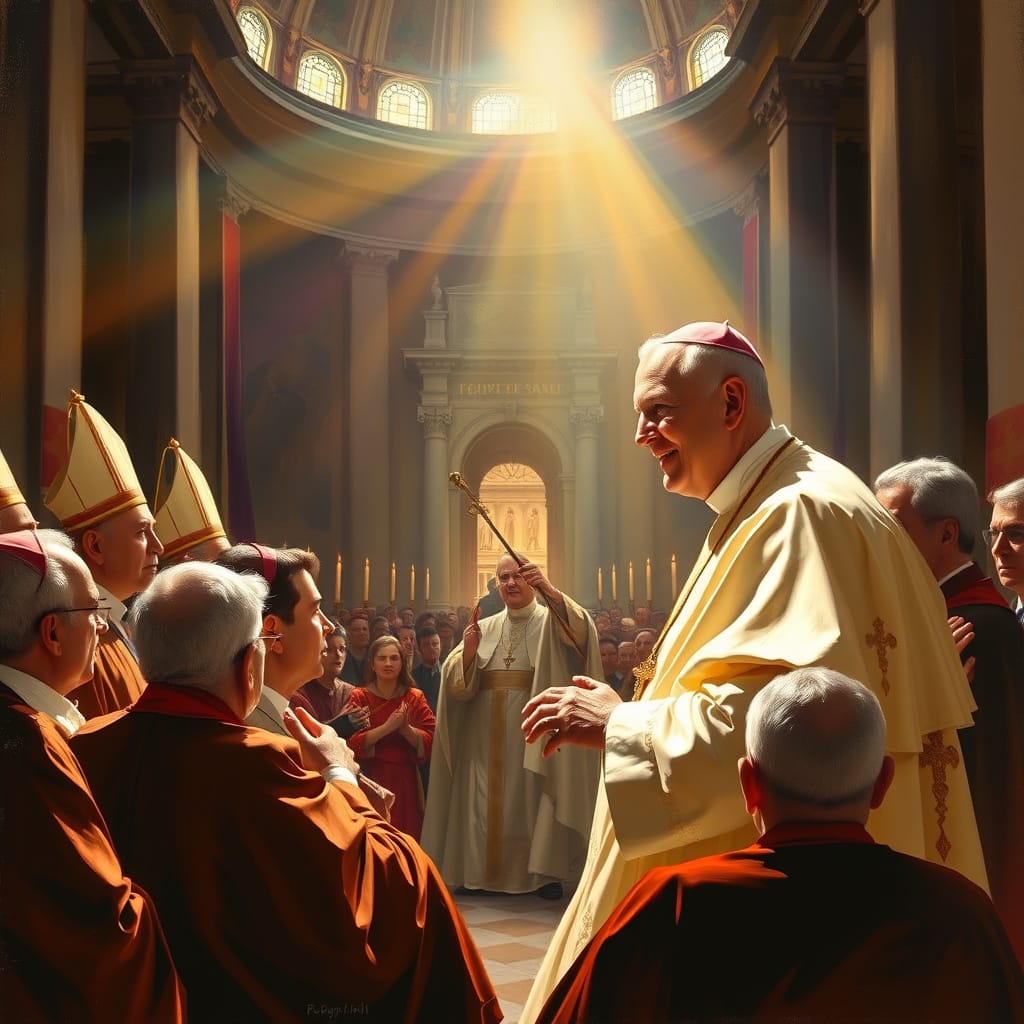
The Second Vatican Council (1962-1965) is widely regarded as the most significant event in the life of the Church since the Reformation in the 16th Century. Pope John XXIII called the Council to update the Church and restore unity to all Christians.
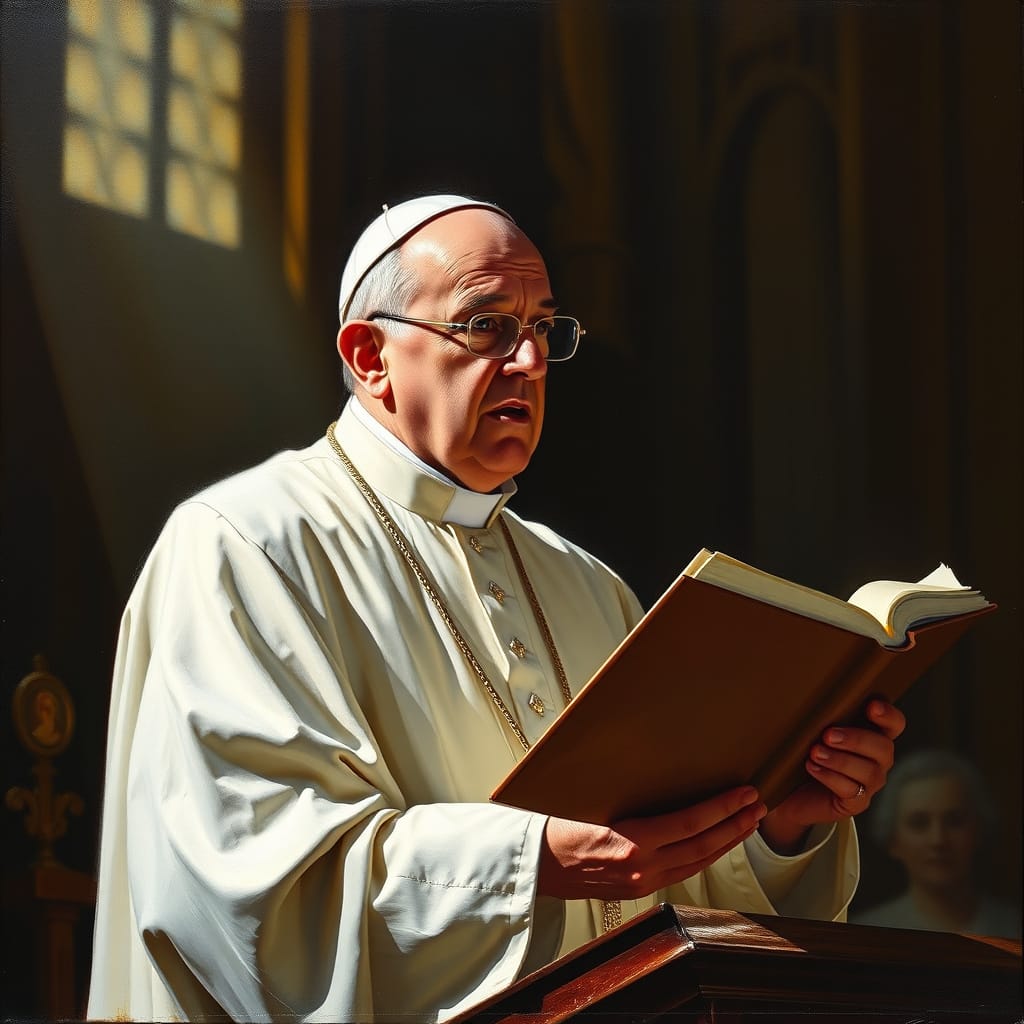
In his homily on the 60th Anniversary of the Council, Pope Francis described the Council as a great response to a great question – “Do you love me?”
“Do you love me?”
He went onto say, ‘To Rekindle her love for the Lord, the Church, for the first time in her history, devoted a Council to examining herself and reflecting on her nature and mission. She saw herself once more as a mystery of grace generated by love; she saw herself anew as the People of God, the Body of Christ, the living temple of the Holy Spirit.’
‘To Rekindle her love for the Lord, the Church, for the first time in her history, devoted a Council to examining herself and reflecting on her nature and mission. She saw herself once more as a mystery of grace generated by love; she saw herself anew as the People of God, the Body of Christ, the living temple of the Holy Spirit
It is understandable that some individuals at the time expressed concerns about the potential implications and changes associated with the Council. However, the majority of Catholics embraced this opportunity for renewal, aiming to eliminate obstacles and collaboratively address the pressing challenges of the world. Rather than being driven by fear or uncertainty, the discussions and outcomes of the Council were primarily characterized by a spirit of hope and positive aspiration.
For those who have only been alive since Vatican II some context for how the Church operated prior to the Council may help to appreciate the significance of what emerged during those three years when the Council met.
Life as a Catholic before the Council
Prior to the Second Vatican Council, Catholic community life was closely centered around the relationship between families and their local parishes. Faith was regarded as an essential aspect of daily life, with the celebration of the Mass serving as a focal point for worship. Sundays were traditionally considered a day of rest and spiritual reflection, during which activities such as shopping and sports were generally discouraged to preserve the sanctity of the day.
It was customary to gather for Sunday lunch after attending Mass. During that period, Catholic faith was expressed through various spiritual practices in addition to Mass, such as Benediction, praying the Rosary, and observing the Stations of the Cross, all of which highlighted reverence for God through Jesus Christ.
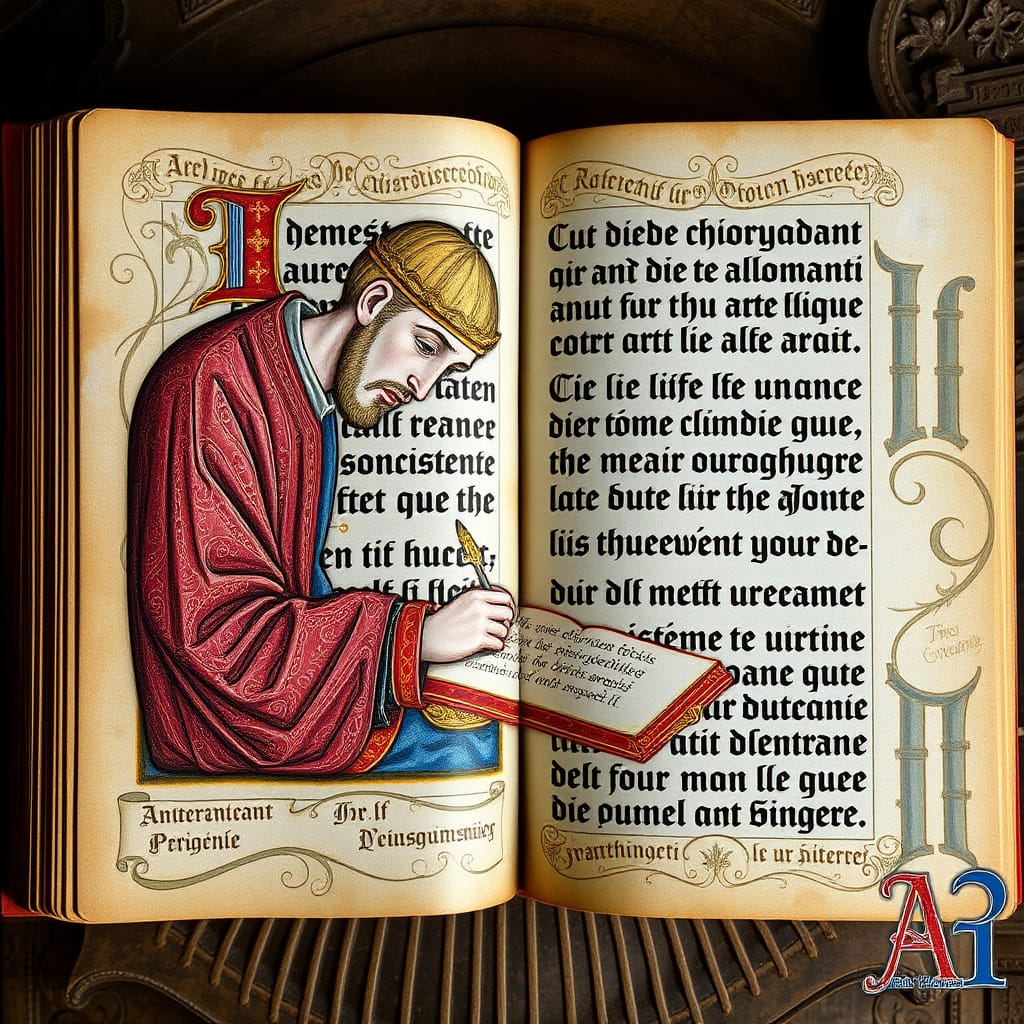
Latin was regarded as an important liturgical language, considered to be sacred even when its meaning was not fully understood by many. Its memorisation was widespread and commonly practiced, often without extensive reflection on its significance relative to native languages.
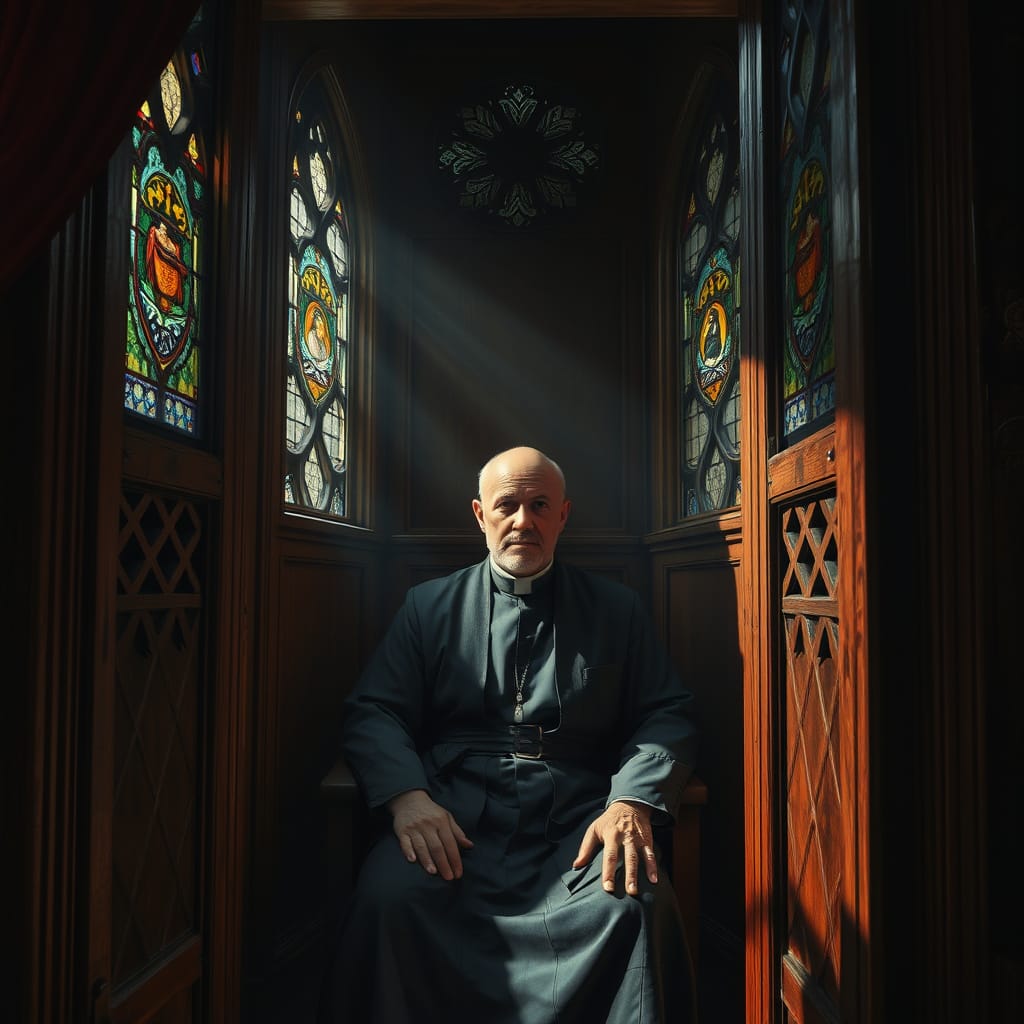
Confession has historically been an important component of religious practice, often conducted on a weekly or biweekly basis. Participants typically visited a designated confessional space to seek privacy and spiritual renewal. This practice also served as a reflection of clerical authority, emphasising the priest’s role in administering absolution as a vital step toward spiritual well-being.
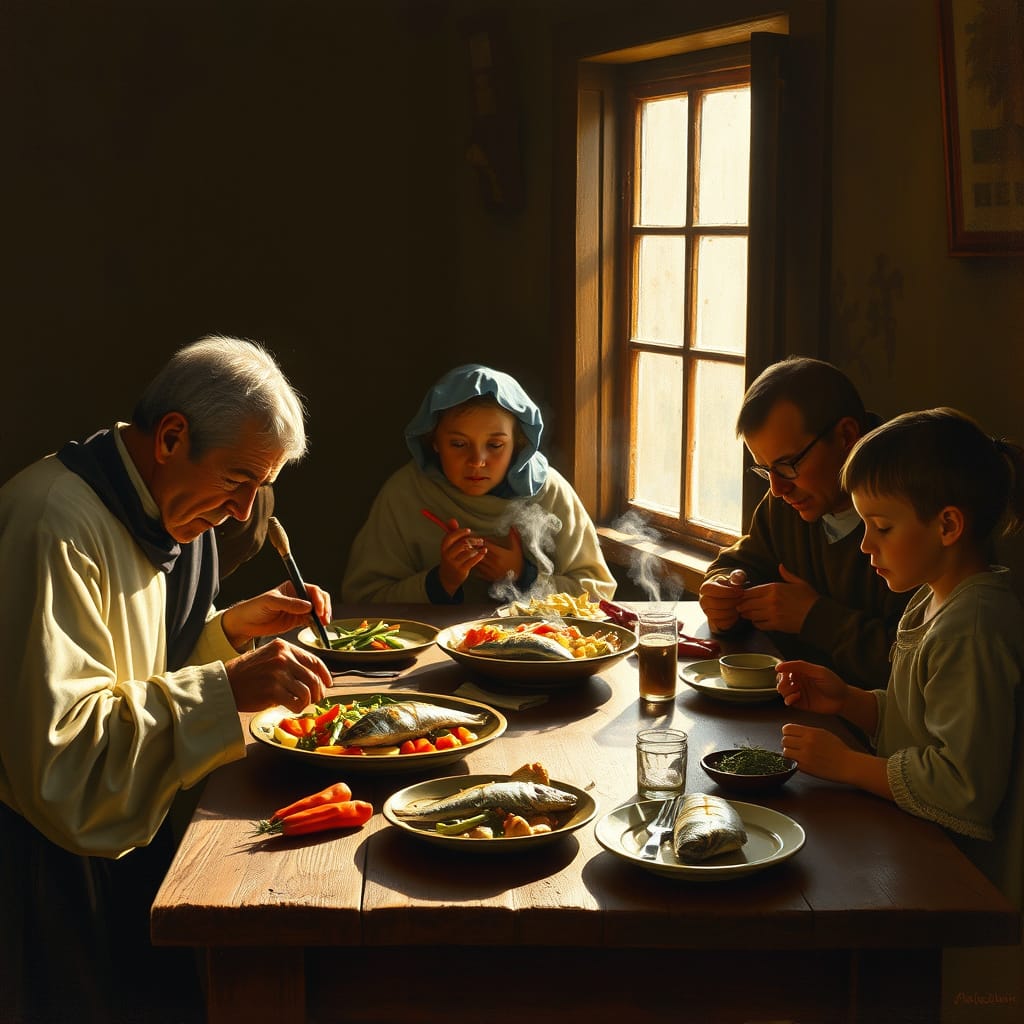
Adherence to specific customs, such as observing abstinence from meat on Fridays, served as an important expression of religious commitment. For instance, it was customary for members of the Catholic community to include fish in their Friday meals.
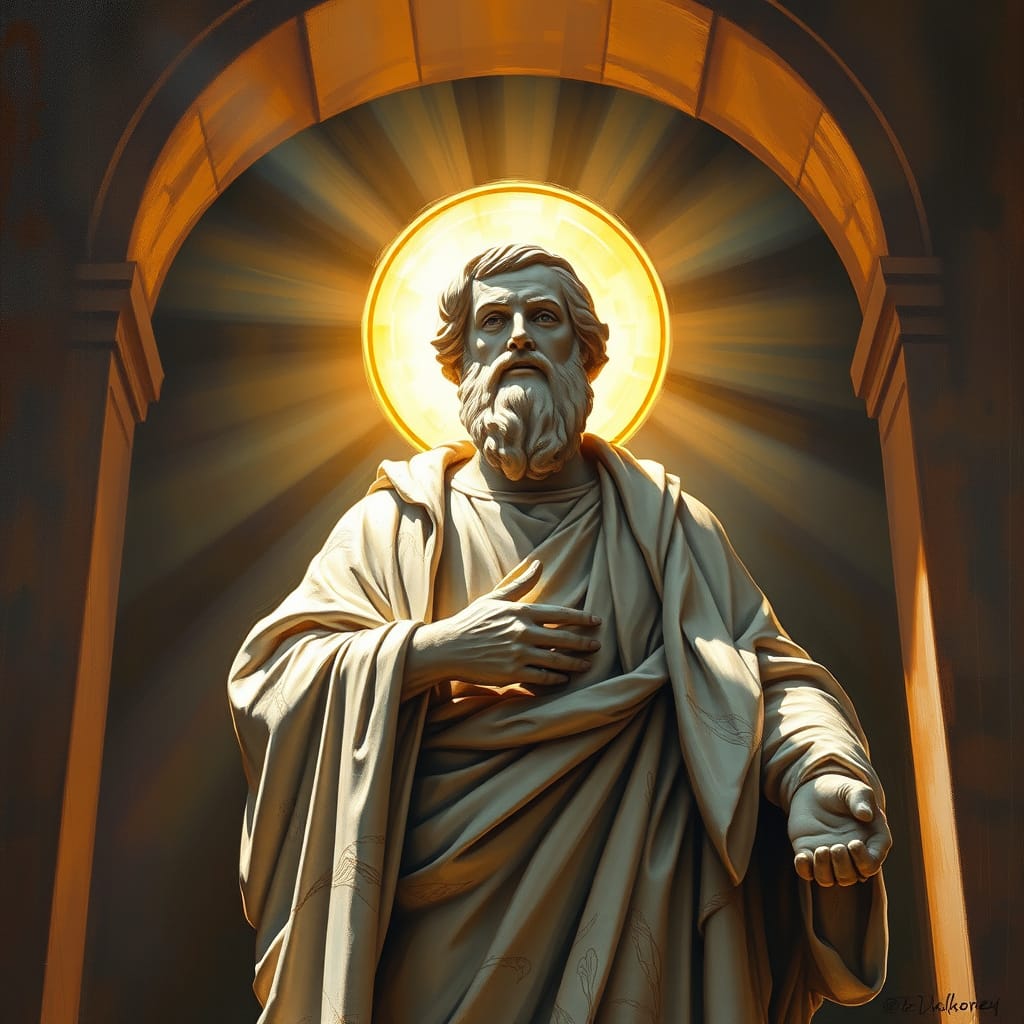
Religious symbols, including statues of saints, prayer cards, and Miraculous Medals—sometimes displayed prominently—were frequently used to reinforce cultural and spiritual identities. Generally, the community maintained a respectful adherence to church teachings and clerical authority, with minimal questioning of doctrinal matters.
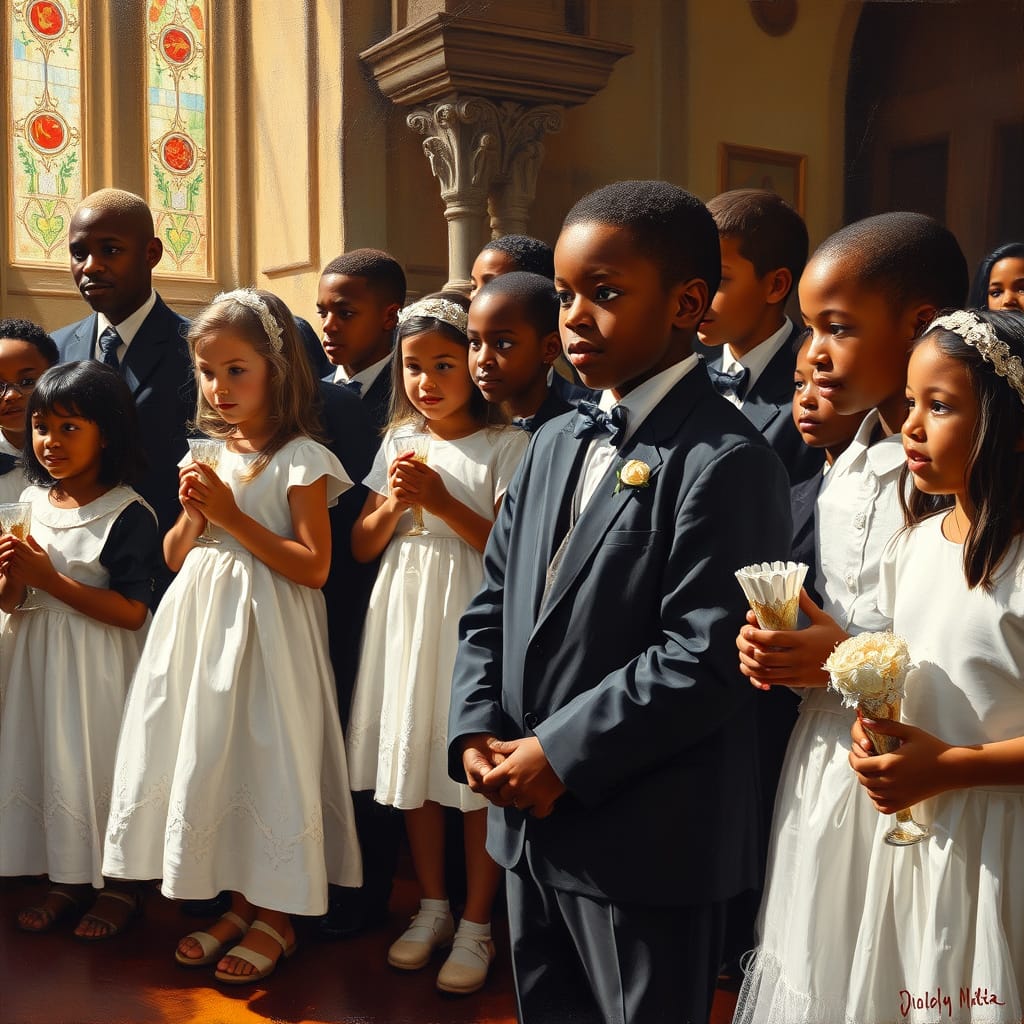
Sacramental preparation for First Holy Communion and Confirmation was generally incorporated into the school’s Religious Education program, with a primary focus on memorisation and doctrinal understanding rather than active evangelisation efforts.
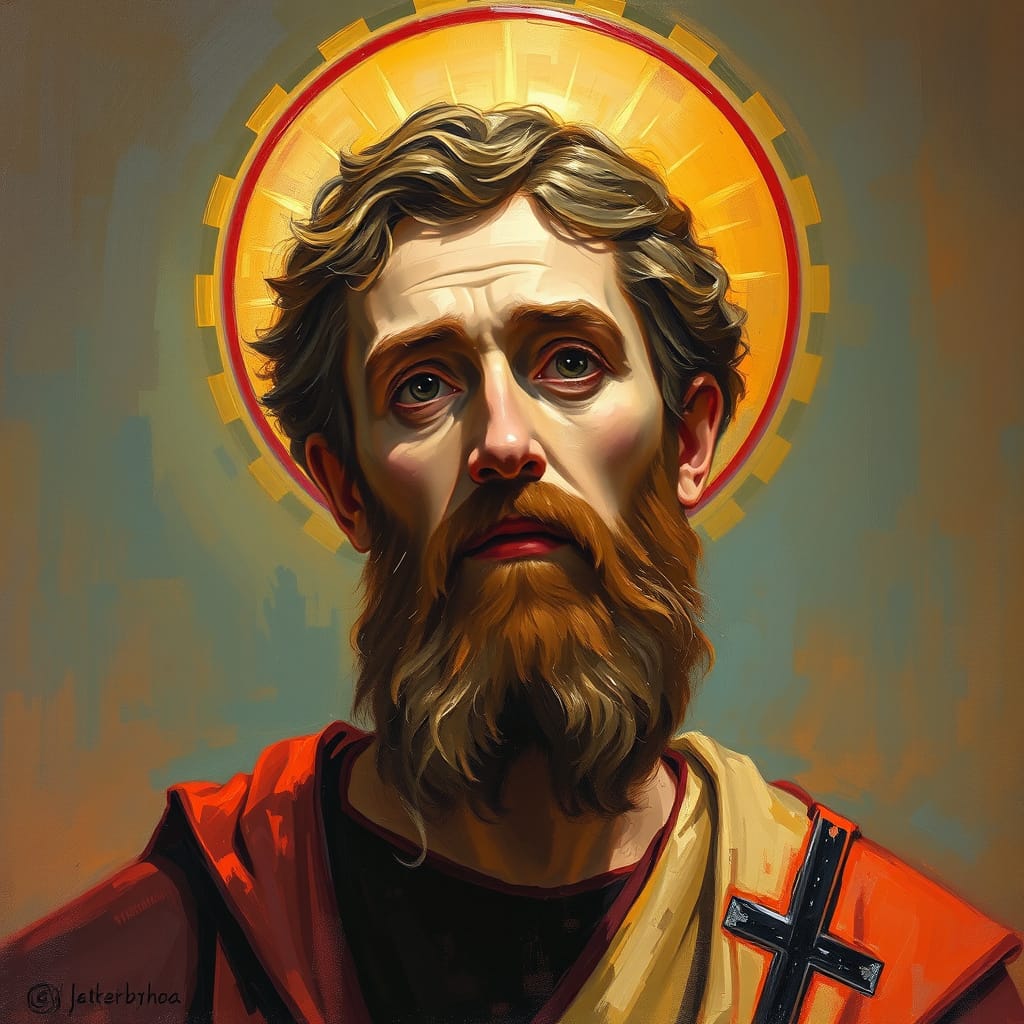
From a young age, students regularly attended Mass and engaged in devotional practices, often seeking the intercession of saints for various needs—such as praying to St. Anthony for assistance in finding lost items or to St. Jude in times of hardship. .
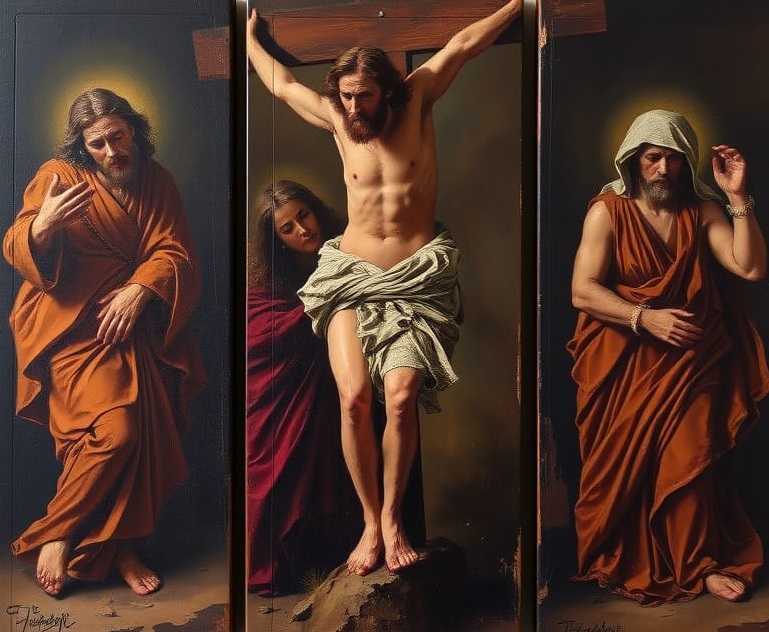
These longstanding traditions have profoundly shaped Catholic practice and cultural expression and continue to be observed by many members of the community today
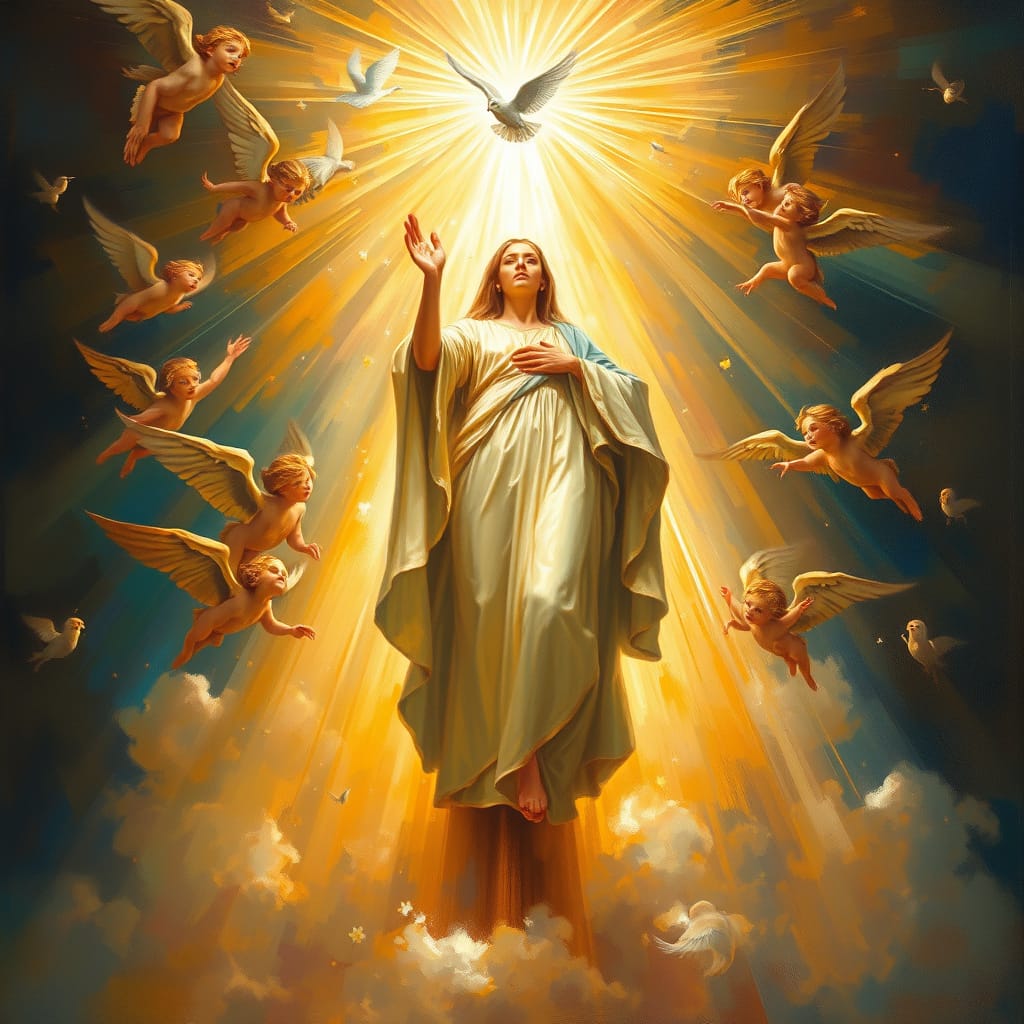
The Blessed Virgin Mary has historically and continues to play a central role in the spiritual life of the Church. Her significance to Catholics is profound, which has sometimes led to misunderstandings, particularly among those of other Christian traditions. Some Protestant communities may perceive Catholic veneration of Mary as equating to worship, or may find it challenging to grasp her role in directing believers toward Jesus.
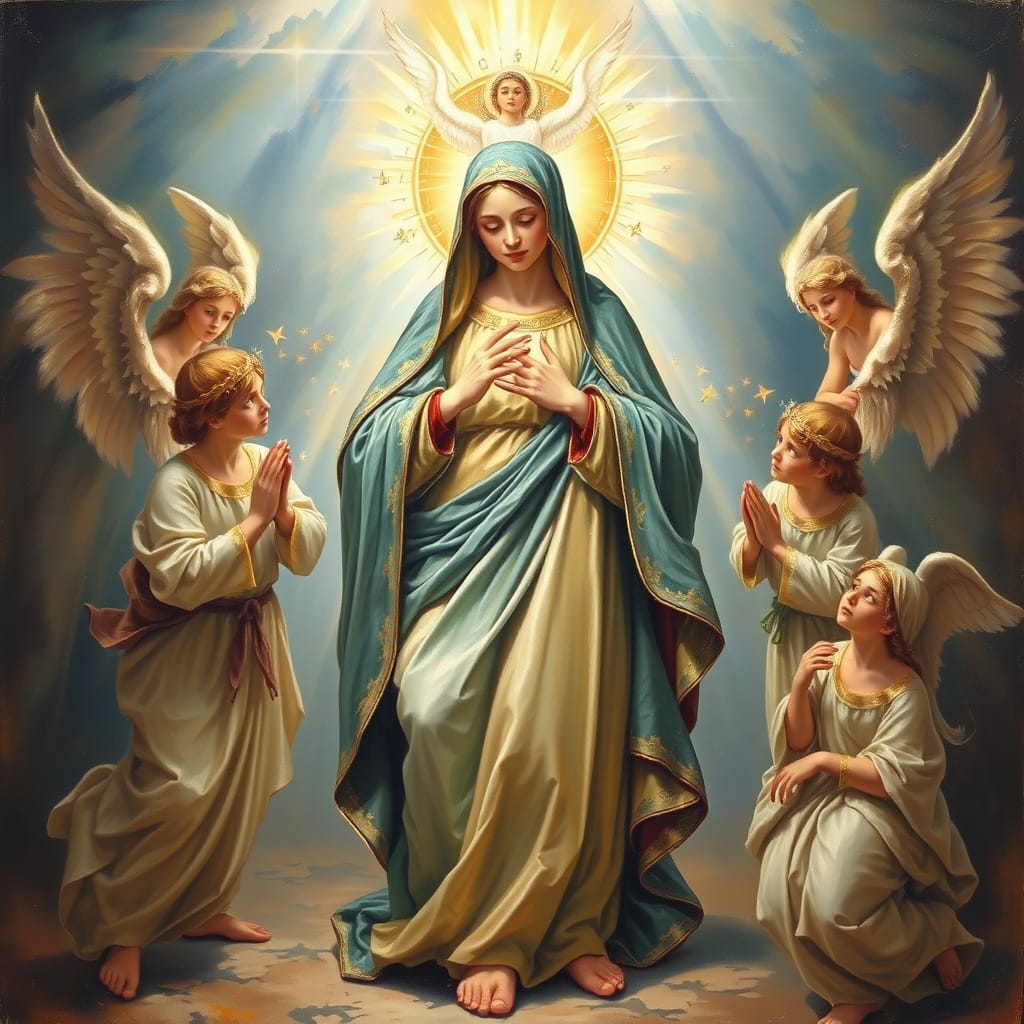
It is important to acknowledge that Mary is widely regarded as the Mother of God and is viewed as a compassionate and approachable figure, particularly for individuals who may feel hesitant or unworthy when seeking spiritual guidance or connection with God or Jesus.
This concise overview of Catholic life prior to the Second Vatican Council

This brief overview of Catholic life prior to the Second Vatican Council offers a generally positive depiction; however, it is important to acknowledge that certain aspects may have been more challenging. Regulations at the time were often rigorous, and their enforcement could impose considerable difficulties for individuals.
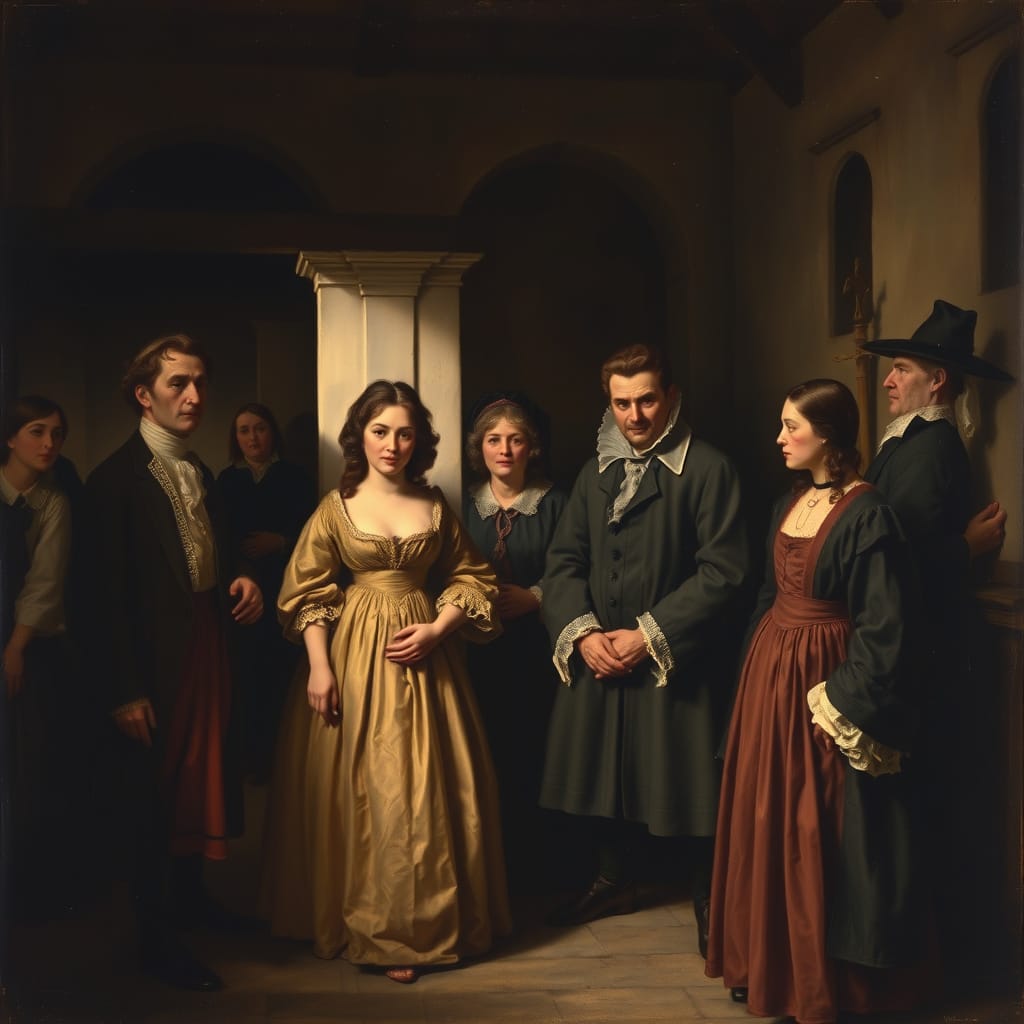
Policies relating to marriage, divorce, and premarital pregnancy were particularly strict, with limited emphasis on compassion or pastoral flexibility for those navigating these situations during that era.
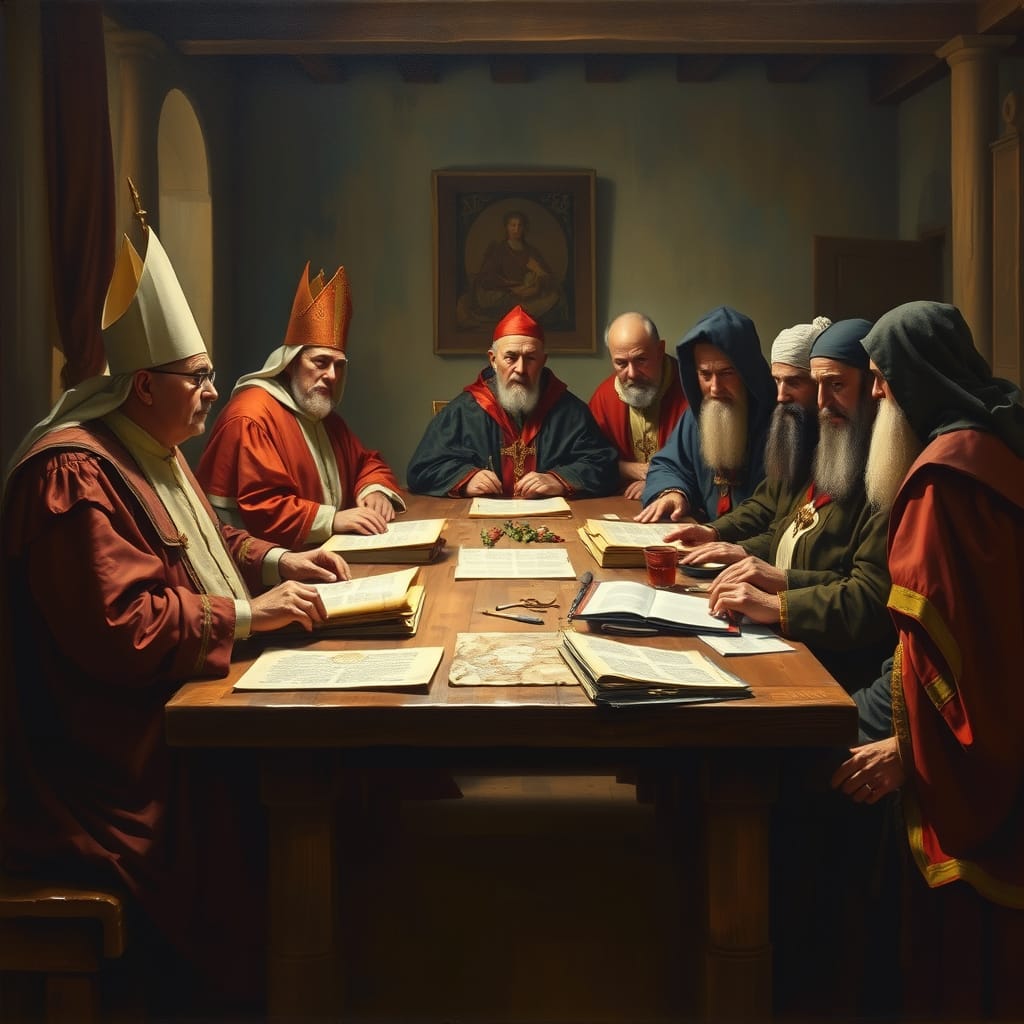
Prior to the Second Vatican Council, ecumenical outreach was limited in scope. Non-Catholic communities were primarily viewed as opportunities for dialogue and potential evangelisation, and members of other Christian denominations or faith traditions were sometimes perceived as needing to consider aligning more closely with Catholic teachings to achieve spiritual fullness.
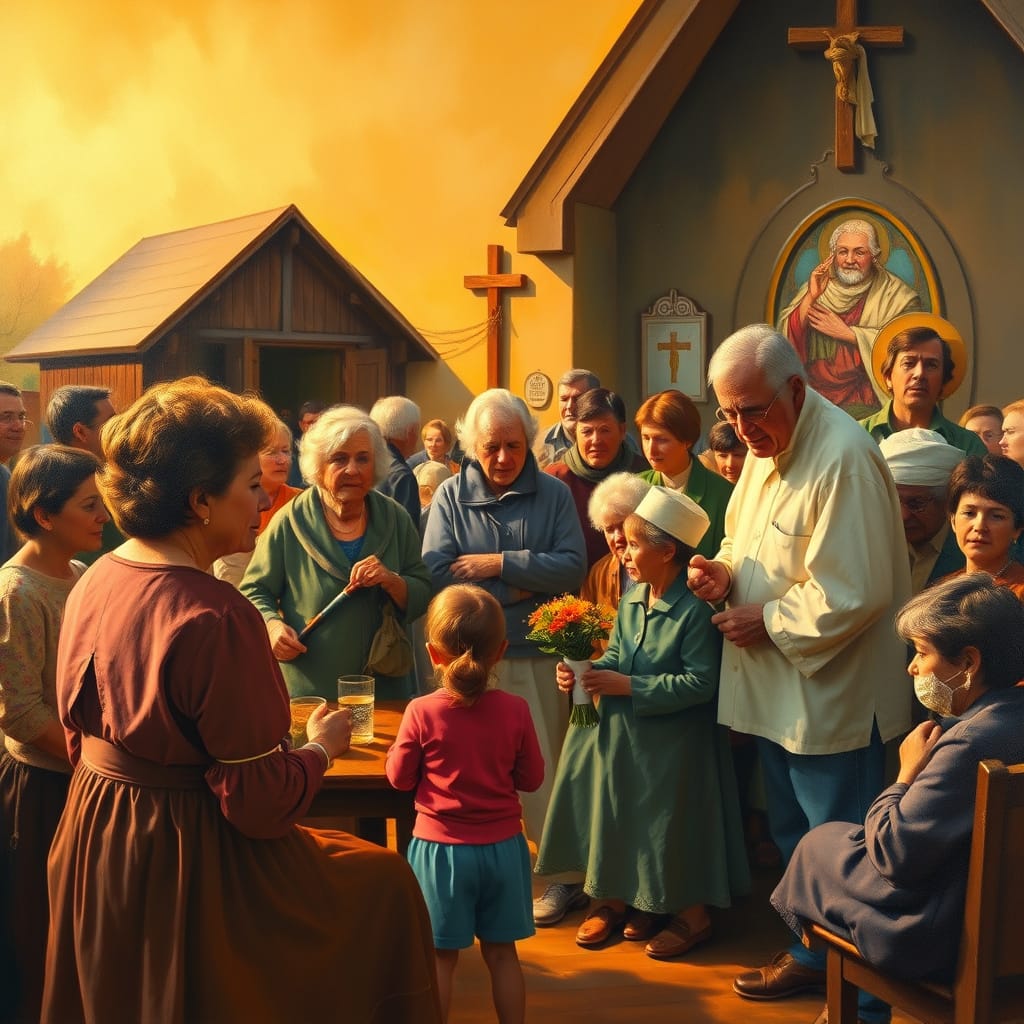
In summary, Catholic identity during this era was characterized by a complex blend of genuine faith and underlying apprehension. Many devoted themselves to the stability and certainty provided by the Church, emphasising the importance of faith in daily life. At the same time, there was a prevalent concern about missteps and the fear of not complying fully with Church directives.
.
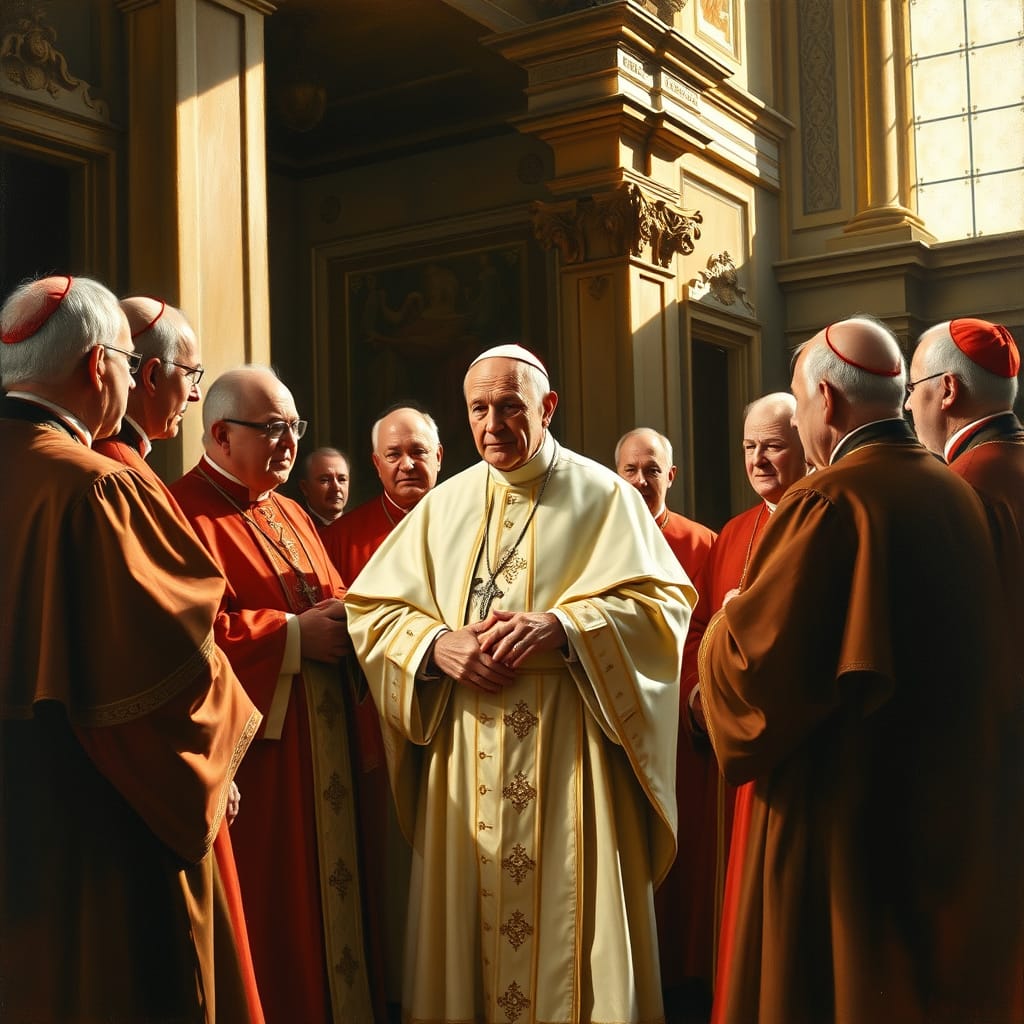
The period of notable transformation commenced with the election of Pope John XXIII, who exhibited a dedicated and proactive approach to leadership within the Church and its community. Driven by a deep sense of spiritual responsibility, he called together bishops from various regions to collaborate on the Second Vatican Council. This significant gathering served as a turning point in the history of the Church, resulting in substantial and impactful reforms.